
UBS Nears Compromise in Long-Running Debate About Capital Buffer
Source: Bloomberg
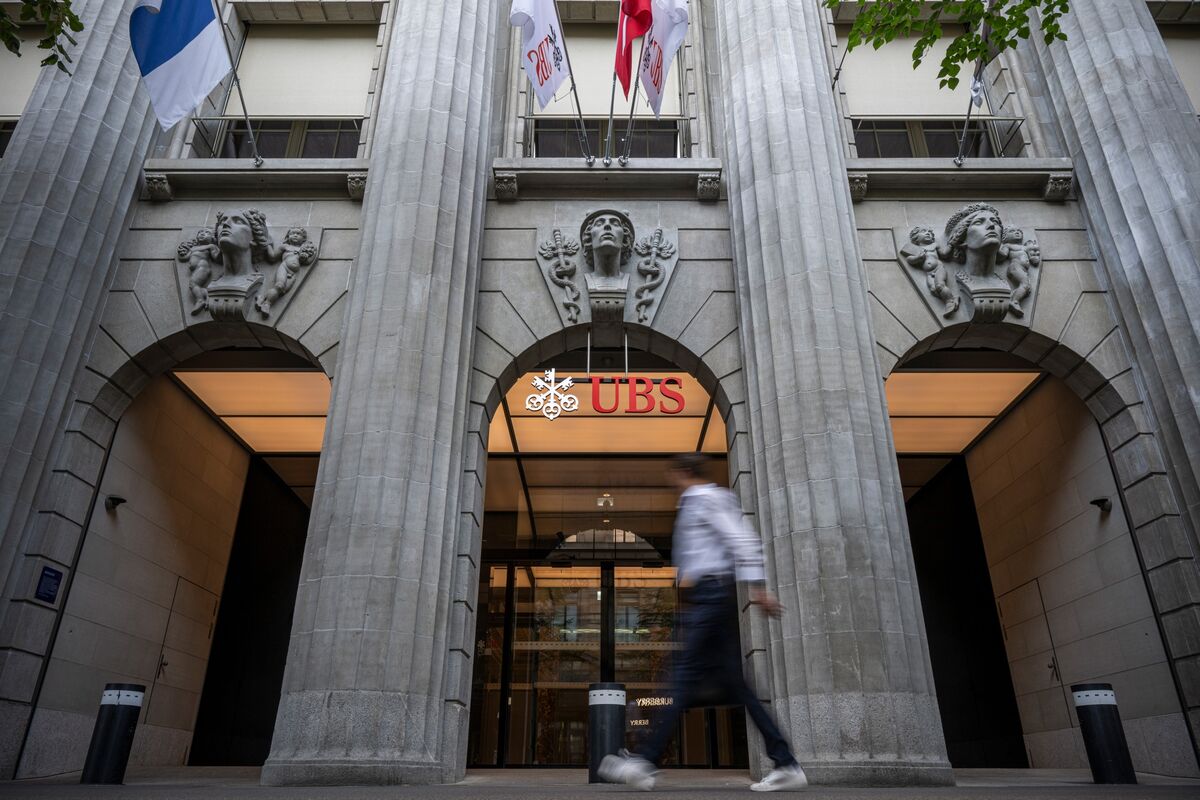
A Swiss parliamentary committee is considering reforms to UBS’s Additional Tier 1 (AT1) capital framework that would effectively impose losses on these instruments earlier in a crisis, potentially reducing the cost of meeting the government’s capital buffer demand. The article notes this approach differed from what occurred during Credit Suisse’s collapse three years ago, and it comes as French bank stocks fell on renewed concerns about political instability and possible sharp tax increases tied to presidential campaigning.
Analysis
UBS is the cleaner equity beneficiary here, but the real trade is in the capital stack. If the compromise makes AT1s absorb losses earlier, it lowers the probability that UBS has to fund a larger slice with common equity, which supports buybacks and narrows the valuation gap versus global peers. The catch is that the benefit likely accrues to UBS equity while the pain shifts to the lower-coupon bank capital market: AT1 investors will demand wider spreads, and that higher hurdle can spill over to other European issuers over the next issuance cycle.
The French bank move looks more like a multiple event than a credit event. Political volatility matters most for institutions with large domestic retail franchises and the most visible exposure to new taxes or levies; those names tend to trade on book value, so a higher country risk premium can compress price-to-book even if near-term earnings estimates barely move. If OAT-Bund spreads widen or fiscal rhetoric worsens, BNP, GLE, and ACA should underperform broader European financials, with the second-order effect being weaker appetite for subordinated bank paper across the region.
Consensus may be missing that these are two linked but asymmetric stories: Switzerland is potentially de-risking UBS equity by pushing more loss absorption into AT1s, while France is repricing bank equity for political risk without needing a recession. That makes the short leg more interesting than the long leg. Falsifiers are straightforward: a Swiss text that leaves UBS capital unchanged, or a rapid stabilization in French fiscal polling and bond spreads. In both cases the relative-value premium should fade quickly.
AllMind Terminal
AI-powered research, real-time alerts, and portfolio analytics for institutional investors.
Request TrialMarket Sentiment
Overall Sentiment
mildly negative
Sentiment Score
-0.15
Key Decisions for Investors
- Go long UBS / short BNP Paribas (BNP FP) on a 1-3 month horizon; target 5-8% relative outperformance if Swiss capital uncertainty eases while French political risk keeps pressure on bank multiples.
- If you want cleaner factor exposure, short the Euro Stoxx Banks basket (SX7E) against a smaller long UBS position; this isolates UBS-specific regulatory relief from the broader European bank risk premium.
- Avoid adding to European bank AT1/CoCo exposure until the Swiss reform text is published; the risk/reward has shifted against the instrument class even if bank equities rally.
- For existing French bank longs (BNP FP, GLE FP, ACA FP), trim into strength unless OAT-Bund spreads tighten materially; the upside from normal earnings is likely smaller than the downside from political headline risk.
More News
- Will Warner Bros. kill Skydance — or will David Ellison kill Warner Bros?
- Last-Minute Lawsuit Upends Cable One’s $480 Million Mega Broadband Deal
- Why is US turning to Russia for diesel despite sanctions?
- Trump says Ukraine should get a new president as he blames Zelenskyy for U.S. diesel prices
- Putin relayed Iran war proposal to Trump, Kremlin says
- Trump says Ukraine needs a new president who will agree to end the war
From AllMind Research
- Anthropic IPO Preview: Valuation, Timing, and What to Watch
- Shein After the IPO: Venue, Valuation, and What Must Be Proved
- What AI Research Tools Should a Small Hedge Fund Buy First?
- AI Research Systems for Hedge Funds: A Pilot Design
- Weekly Update: New Reporting Features, UI Improvements, and Chat Optimizations