
FHC2026 met en place un grand salon dédié à l'ensemble de la filière agroalimentaire, avec sept salons organisés en parallèle
Source: PR Newswire
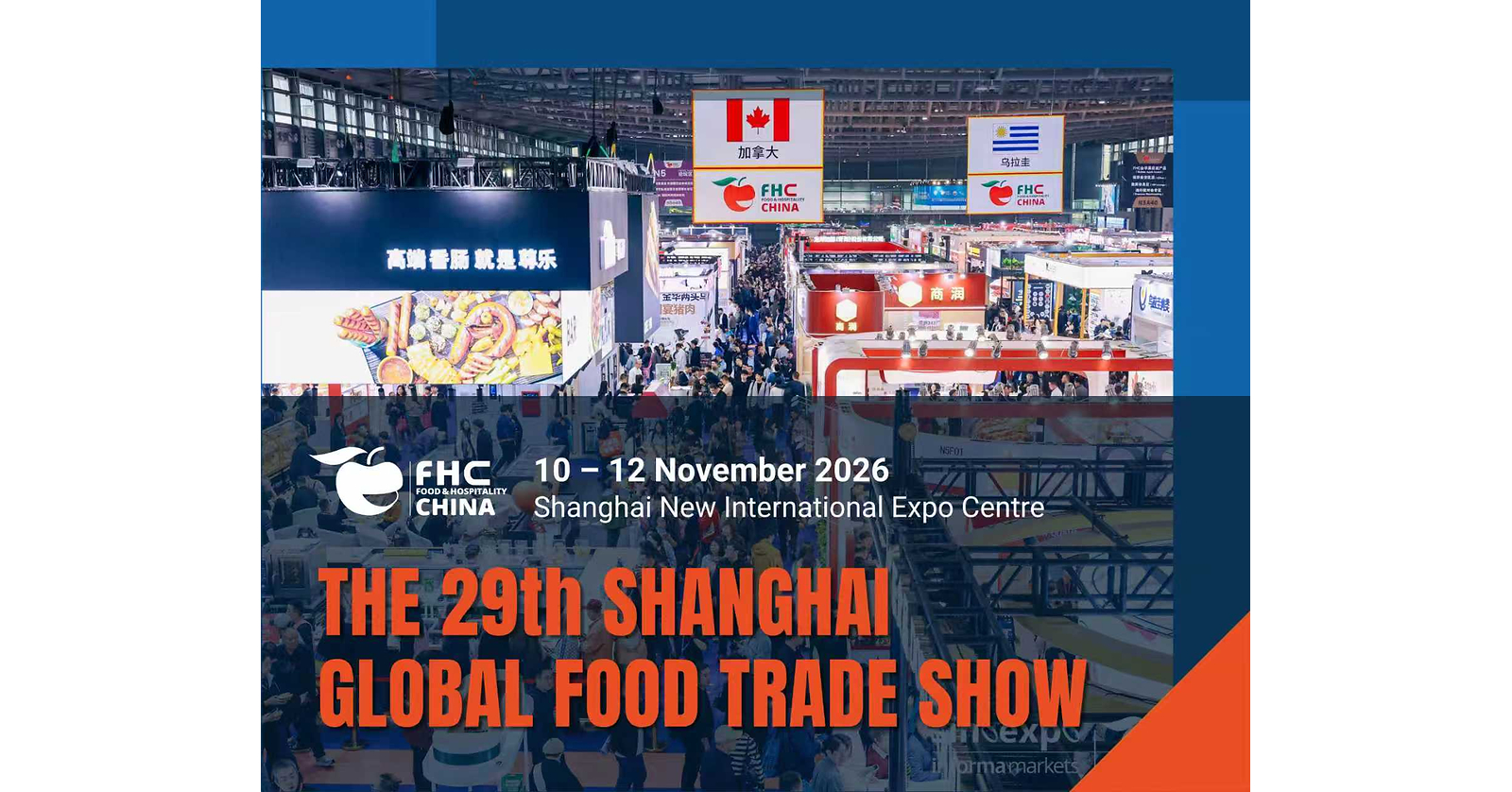
FHC2026 à Shanghai (10-12 novembre 2026) annonce 200 000 m², 3 500 exposants et >180 000 acheteurs professionnels, avec sept salons simultanés pour renforcer la synergie intersectorielle. Le contenu inclut ProWine Shanghai (nouveaux espaces Fine Wine Club et “Bistro”), CCMF (7 zones thématiques sur conserves/chaîne de valeur) et un pavillon d’“agriculture intelligente et durable” au Salon fruits et légumes. L’article est principalement informatif sur l’événement, sans indication directe d’impact financier immédiat.
Analysis
This reads more like a distribution-channel check than a fundamental earnings catalyst. The only real market mechanism is that a well-attended Shanghai B2B platform can improve lead flow for premium beverage, branded food, packaging, and ag-tech vendors with China exposure, but the effect is usually delayed and leaks through orders over 1-3 quarters rather than immediately into revenue. In other words, the first-order signal is sentiment; the second-order signal is whether buyers are willing to commit to replenishment, shelf space, or franchise capex after the event.
Potential winners are companies selling premium imported alcohol, branded consumables, and packaging systems that benefit from trade-up behavior and channel restocking. The more interesting second-order beneficiaries are not the obvious brand owners but the picks-and-shovels: packaging, canning, cold-chain, and selective ag-tech suppliers if exhibitors convert showroom interest into procurement budgets. The weak spot is that this kind of event can also expose how fragmented demand is; if traffic is strong but conversion is poor, the market may fade any China-recovery narrative quickly.
The contrarian view is that consensus may overread a trade fair as evidence of consumer acceleration. For most listed names, this is a branding event, not a demand print, and any valuation impact is likely to be small unless accompanied by customs/import data, distributor commentary, or Q4 guidance upgrades. The key falsifier is simple: if October-November channel checks and China import volumes do not improve, the event is noise and any related trade should be unwound.
AllMind Terminal
AI-powered research, real-time alerts, and portfolio analytics for institutional investors.
Request TrialMarket Sentiment
Overall Sentiment
neutral
Sentiment Score
0.05
Key Decisions for Investors
- No immediate directional trade on the headline alone; treat it as a watch item and wait for post-event conversion data in Q4 before adding China-exposed beverage or food positions.
- If hosted-buyer follow-through is strong, consider a tactical long basket in premium alcohol/consumer brands with China exposure (DEO, BF.B, BUD) versus a defensive consumer-staples basket (PG, UL) over 1-3 months; target modest 8-12% upside with tight discipline if Chinese channel commentary improves.
- Monitor packaging and canning proxies (AMCR, CCK) for order commentary into year-end; any uptick in China food/beverage capex could create a 10-15% rerating, but absent order data this should stay on the watchlist.
- For ag-tech exposure, only act if the smart-agriculture pavilion translates into procurement signals; watch DE and AGCO for dealer inventory and China demand commentary, with a 6-18 month horizon rather than a trade-fair knee-jerk.
- Falsifier/alert: if November-December China import data, distributor sell-through, or Q4 guidance from China-exposed names remains flat-to-down, avoid any long China-consumption beta and fade the narrative.
More News
- Pilot killed in attacks by Iran-backed Houthis on Riyadh airport; Saudi-led coalition vows 'firm' response
- Delta Air Lines cuts 2026 forecast on fuel surge, but CEO says demand is still strong
- Is AI the new China Shock?
- Why is T-Mobile stock tumbling today?
- India calls JD Vance's comments about immigrants 'deeply offensive'
- Why is Verizon stock sliding today?