
Sightline OS Launches Continuity AI, Turning Restaurant Stockouts From a Crisis Into a Non-Event
Source: PR Newswire
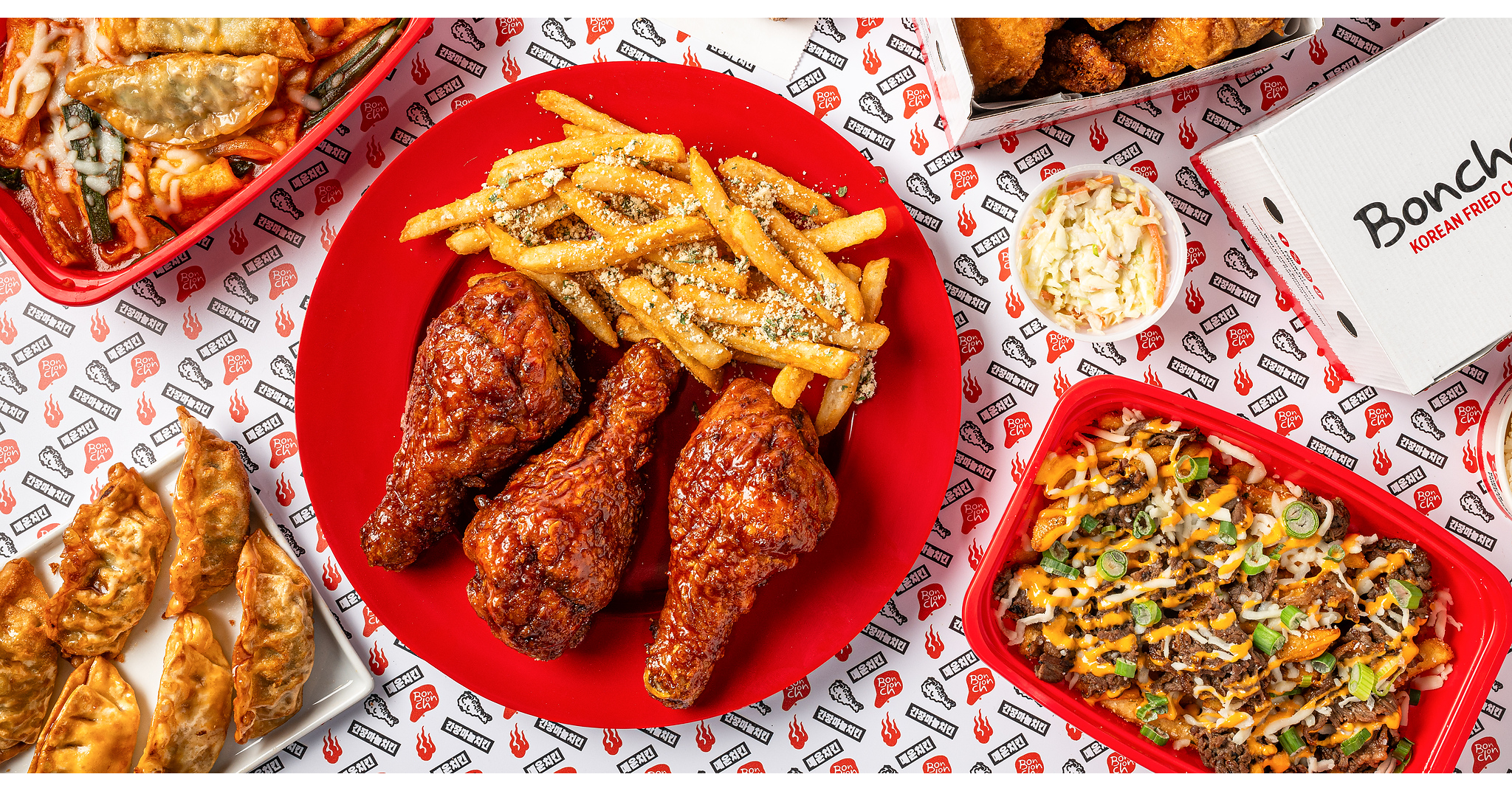
Sightline OS launched Continuity AI, an inventory-reasoning engine for multi-unit restaurant chains that identifies supply-gap risks up to 12 weeks ahead, assigns a 0-100 severity score, and recommends mitigation actions. The company cited Bonchon as a customer case study, where weighted average distributor fill rates rose 1.1 percentage points to 99.3% across more than 150 restaurants and 35 distributor operating companies. The product is available immediately to existing and prospective customers, aiming to reduce menu stockouts, substitutions, and supply-chain firefighting.
Analysis
This is not a CMG, SG, or HFG earnings catalyst: the vendor is private, the cited operating improvement is not independently attributable to the new module, and no commercial terms, customer pipeline, or implementation economics are disclosed. Public restaurant chains will only see material P&L benefit if reduced outages translate into measurable same-store sales retention while software and incremental working-capital costs remain modest. For CMG, whose menu is comparatively concentrated around a few critical inputs, better disruption forecasting could reduce localized sales leakage, but it is more likely an industry-wide operational capability than a proprietary advantage.
The nearer-term investable read is modestly negative for supply-chain labor intensity and spot-expedite costs across multi-unit restaurants, but those savings are unlikely to move consensus estimates absent broad enterprise adoption. Over 6-18 months, AI-enabled inventory orchestration could favor scaled chains with cleaner SKU, distributor, and store-level demand data; smaller franchise systems may face a widening service-level gap if they cannot fund integrations. The contrarian view is that restaurant supply shocks are often physical allocation constraints rather than information failures: prediction does not create scarce protein, produce, or packaging capacity, so claimed benefit could be overstated during systemic disruptions.
The key diligence trigger is evidence of adoption converting into lower food-cost volatility, fewer menu-item availability incidents, and stable inventory days—not vendor-reported fill-rate statistics. A meaningful thesis would be falsified if restaurant operators show higher waste, inventory write-downs, or working-capital usage as they add safety stock to protect service levels.
AllMind Terminal
AI-powered research, real-time alerts, and portfolio analytics for institutional investors.
Request TrialMarket Sentiment
Overall Sentiment
moderately positive
Sentiment Score
0.42
Key Decisions for Investors
- No directional position in CMG, SG, or HFG on this announcement alone; treat it as a watch item rather than an earnings-revision catalyst over the next 1-3 months.
- Monitor CMG quarterly commentary for quantified reductions in food-cost volatility, outage-related sales losses, or inventory turns. Consider a tactical long only if management identifies a scalable rollout with savings sufficient to support upward restaurant-margin estimates; absent that disclosure, risk/reward is not actionable.
- For SG, track whether supply-chain automation accompanies improving restaurant-level margins without an increase in food waste or inventory days over the next two quarters. Better availability can support throughput, but margin expansion that depends on higher safety stock would weaken the thesis.
- Use broad restaurant exposure selectively during commodity disruptions: chains with centralized procurement and standardized menus should outperform fragmented franchise systems only if they demonstrate actual availability gains. The trade signal requires relative operating data, not product-launch announcements.
More News
- Starbucks stock outlook: premium valuation meets a turnaround still in progress
- Saudi coalition says Houthi drone destroyed near Mecca
- China's AI leaders keep quiet despite U.S. 'publicity' on tech risks
- U.S. stock futures drift higher with Fed rate hike in focus
- AWS says it can't restore service to Bahrain, UAE facilities 6 months after Iran strikes
- Chinese investors rush into US stocks as Beijing opens wider path overseas