
C's Profitability Gains Accelerate: Is the Stock Worth Buying Now?
Source: zacks.com
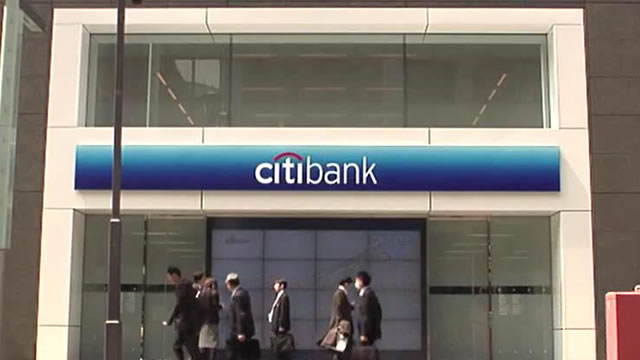
Citigroup's return on tangible common equity rose 400 basis points year over year to 12.6% in the first nine months of 2026. The article attributes the improvement to robust revenue growth, operating efficiency gains and execution of transformation initiatives.
Analysis
The key question is whether improved returns reflect durable operating leverage or a favorable comparison period and temporary expense discipline. If the improvement persists after transformation costs and credit losses, it could support a valuation rerating and greater capital-return capacity; neither is established by the supplied figures alone. The more important confirmation is whether revenue gains are broad-based and recurring, while expenses, credit costs, and regulatory remediation do not absorb them.
Near term, this is supportive but not a standalone catalyst: the broad profitability claim may already be reflected in expectations, and no quarterly breakdown, guidance change, or capital action is provided. Over 1–3 months, monitor expense trends, credit migration, capital ratios, and management’s targets. Over 6–18 months, sustained returns could narrow Citi’s perceived execution discount versus larger U.S. peers; conversely, uneven progress or renewed remediation costs could leave the discount intact. Competitors could benefit if Citi’s transformation distracts it from winning or retaining business, but the article gives no evidence of market-share shifts.
Contrarian read: the improvement is meaningful, but one aggregate return metric does not establish earnings quality or a durable terminal return. Treat the optimistic framing as a hypothesis to verify, not a reason to chase.
AllMind Terminal
AI-powered research, real-time alerts, and portfolio analytics for institutional investors.
Request TrialMarket Sentiment
Overall Sentiment
moderately positive
Sentiment Score
0.35
Ticker Sentiment
Key Decisions for Investors
- No aggressive trade on this update alone. Keep C on a watchlist for a potential long if upcoming results confirm broad revenue strength, controlled expenses, and stable credit quality.
- For an existing long, use the next earnings report to test whether improvement is translating into durable earnings and capital-return capacity; do not assume the return metric alone warrants a rerating.
- Falsification signals: a reversal in expense discipline, deteriorating credit trends, weaker revenue breadth, or guidance that delays sustainable-return objectives. Reassess if these outweigh the reported improvement.
- Verify quarterly drivers, transformation and remediation costs, capital ratios, and management guidance before sizing a relative-value position against other U.S. banks.
More News
- Chip Earnings Power Averages Higher as Nasdaq Volatility Cools Midweek
- What investors need to know about Alphabet's stock-busting earnings report
- Our next steps for Alphabet stock after earnings disappoint at nearly every turn
- Wendy's shares jump 15% as Nelson Peltz's Trian offers $1.4 billion to buy burger chain
- GE Vernova shares slip despite a beat-and-raise. What the sellers are getting wrong
- Microsoft's Big Bets on AI Start to Pay Off