
South Africa’s Kruger Park Faces Flood-Repair Funding Gap
Source: Bloomberg
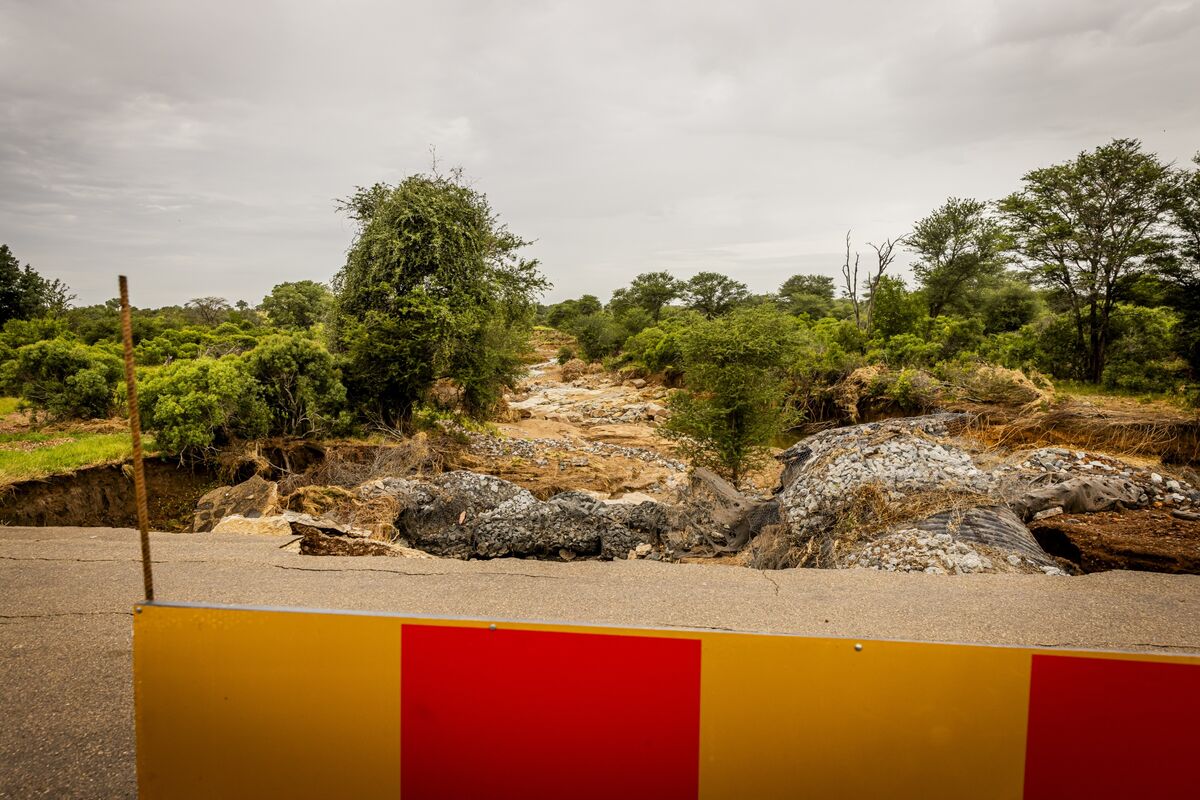
Kruger National Park faces a substantial but unquantified funding gap to repair severe damage from torrential rains in January. Damage to roads, bridges and accommodation is restricting visitor numbers at the South African wildlife reserve.
Analysis
The investable effect is likely a localized capacity shock, not a broad South Africa tourism thesis. Some visitors may shift nights toward private reserves and other regional parks, supporting their occupancy or pricing; however, Kruger can also anchor multi-stop itineraries, so its reduced access may cause cancellations rather than cleanly transfer demand. That makes nearby lodging exposure ambiguous, not automatically a beneficiary trade.
Over the next 1–3 months, monitor booking changes, park access restrictions, and any credible repair timetable. The key economic variable is visitor-nights displaced versus retained elsewhere—not damage estimates alone. Over 6–18 months, repeated flood exposure could raise required maintenance spending and make public park capacity more volatile, while diverting limited public funds from other conservation or tourism infrastructure. The article provides no basis to size consolidated-company earnings effects or assume insurance coverage.
Contrarian angle: a funding gap may sound like a durable tourism impairment, but the market impact could fade if repairs are phased and visitors substitute to private reserves. Conversely, substitution may be overstated if Kruger is the primary purpose of a trip. Without listed, direct exposure or booking data, this is a watch item rather than a standalone directional trade.
AllMind Terminal
AI-powered research, real-time alerts, and portfolio analytics for institutional investors.
Request TrialMarket Sentiment
Overall Sentiment
mildly negative
Sentiment Score
-0.30
Key Decisions for Investors
- No standalone trade on this report. Avoid treating the repair shortfall as evidence of broad weakness in South African travel equities; direct revenue exposure and visitor substitution are unverified.
- Track booking pace, cancellations, visitor-night data, access restrictions, and repair funding announcements over the next 1–3 months. Upgrade the thesis only if capacity constraints persist and demand is demonstrably lost rather than rerouted.
- Screen private-reserve operators and regional lodging businesses for incremental bookings, but require evidence of occupancy or rate gains before positioning; itinerary cancellations could offset substitution benefits.
- Reassess if repair funding and a phased reopening plan are confirmed, which would weaken the bearish capacity thesis; persistent closures or renewed flood damage would strengthen it.
More News
- Marvell-Lumentum Deal Puts Optical Networking at the Center of the AI Boom
- Eaton's strong quarter should mark a bottom for shares of the AI buildout winner
- Brookfield targets $27 billion AI data center at power station. Energy firm Drax surges 8%
- Booking Holdings takes $1 billion hit to third-quarter results linked to FTC action
- Global food security is under threat
- AI is on the ballot. Data centers are a major political issue in the midterms. But the implications of today’s vote for AI go much further