
Kensing Unveils Cream Cheese Enriched with Sunflower Sterols
Source: PR Newswire
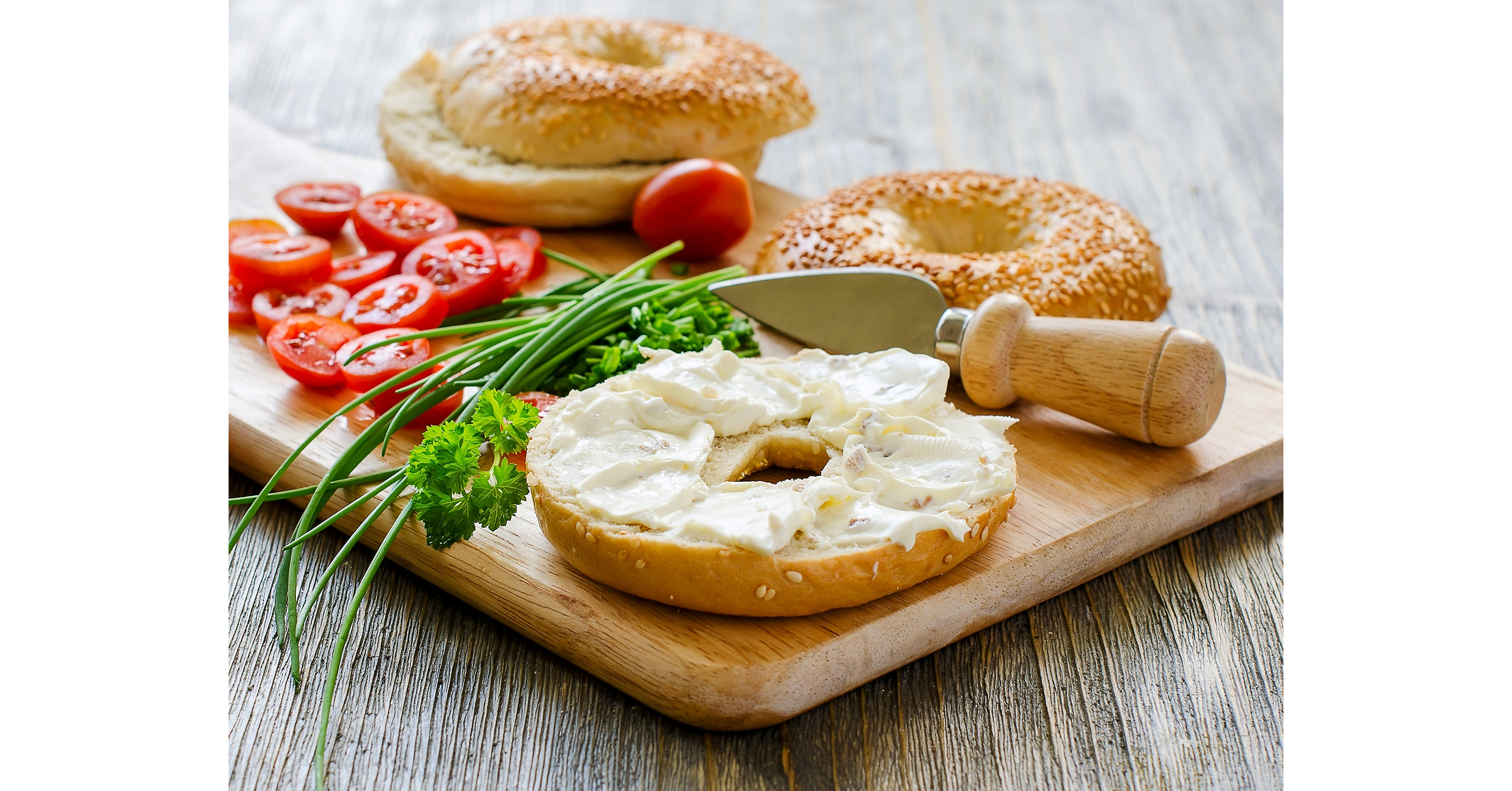
Kensing introduced a prototype light cream cheese containing 6.7% Sunvasterol™ EST; a 25 g serving provides approximately 1 g of plant sterols, and the company says two servings daily deliver 1.5–2.4 g associated with a 7–10% LDL-cholesterol reduction over 2–3 weeks. The product uses sunflower-derived, fat-soluble sterols and is being presented at Fi Europe on November 17–19 in Frankfurt. The article cites a global phytosterols market of $1.1 billion in 2025, projected to reach $1.8 billion by 2030 at a 9.4% CAGR.
Analysis
This is a product-validation signal, not yet evidence of revenue acceleration: a prototype and trade-show sampling do not establish a commercial customer, repeat orders, or consumer willingness to pay. The key economic hurdle is whether manufacturers can deliver the stated daily sterol intake at an acceptable ingredient cost and serving size without compromising taste, texture, or product positioning. Two servings to approach the cited intake may limit adoption if consumers view the product as a functional intervention rather than a routine spread.
The near-term beneficiaries are ingredient suppliers only if trials convert into formulations and launches; downstream food brands could gain a differentiated heart-health proposition, but may bear the cost and claims-compliance burden. Sunflower-derived feedstock creates a potential coproduct advantage, while also linking supply and pricing to sunflower processing and competition for oil distillates. The claimed EFSA exclusivity could support differentiation, but its scope, duration, and ability to block competing formulations need verification.
Over days, expect little fundamental impact beyond attention at Fi Europe. Over 1–3 months, watch for named customer wins, commercial launch timing, and repeatable demand signals. Over 6–18 months, the thesis depends on consumer uptake and economics across multiple food formats. Contrarian read: the cited market-growth forecast and consumer-interest gap may overstate monetizable demand; awareness does not guarantee adherence or premium pricing. No direct public-equity trade is supported by this announcement alone. Falsification of the cautious view would be disclosed scaled launches with recurring orders and evidence that manufacturers can sustain attractive economics.
AllMind Terminal
AI-powered research, real-time alerts, and portfolio analytics for institutional investors.
Request TrialMarket Sentiment
Overall Sentiment
mildly positive
Sentiment Score
0.30
Key Decisions for Investors
- No trade on the announcement alone: Kensing is not identified here as a publicly traded company, and there is no disclosed order, customer, or revenue contribution to underwrite an indirect public-market position.
- Set a 1–3 month alert for commercial customer announcements, launch dates, and evidence of repeat orders; treat trade-show sampling or broad market forecasts as insufficient confirmation.
- Before assigning value to the regulatory angle, verify the EFSA exclusivity’s scope and duration and whether competing sterol sources or formulations can deliver comparable claims.
- Monitor sunflower-derived feedstock availability and pricing if adoption scales; a supply-cost squeeze or formulation costs that force an uncompetitive price would weaken the ingredient-growth thesis.
More News
- NextDC shares surge 43% after Goodman, Digital Realty stake purchases
- Voters rebuff data centers in every ballot measure except one during the 2026 midterms
- China Blocks SoftBank Acquisition of ABB Robot Unit, FT Says
- Snap shares fall over 10% on third-quarter earnings miss
- After the midterms, a bigger clash over data centers could be coming
- Softbank’s $5.4 bln takeover of ABB robotics unit blocked by China- FT