
Meta debuts no-camera smart glasses and virtual reality spectacles
Source: theguardian.com
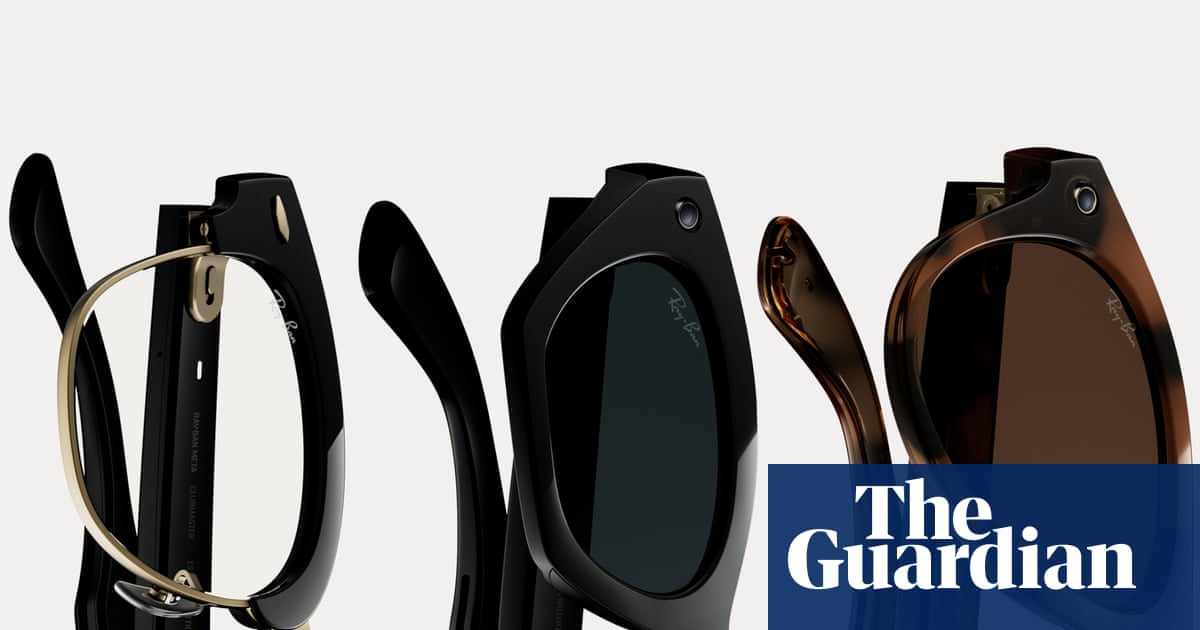
Meta unveiled new Ray-Ban smart glasses, including a £319 camera-free Audio AI model with up to 12 hours of battery life and a £409 Gen 3 camera model lasting up to nine hours. It will also expand its Ray-Ban Display glasses internationally, with UK and Canada sales beginning 23 September at £749 and CA$1,149. Meta introduced a 100g VR glasses device with a 5K microOLED display, tethered to a 300g computing-and-battery puck, priced at $1,299.99 and scheduled for spring 2027 availability. The launches strengthen Meta's wearable and immersive-computing roadmap, although camera-equipped glasses continue to face privacy-related scepticism.
Analysis
META’s near-term equity sensitivity is less about wearable hardware revenue than evidence that its AI assistant can turn a fashion-led device into a recurring engagement and inference surface. A camera-free SKU broadens the addressable market to workplaces, schools and privacy-sensitive geographies, but lowers the proprietary visual-data advantage that supports multimodal AI differentiation. The key 1-3 month catalyst is preorder/retail sell-through versus prior Ray-Ban generations; a premium-priced display product can improve the category’s credibility but will not move consolidated earnings unless attach rates and repeat usage demonstrate a path beyond subsidized hardware.
The competitive read-through is incrementally negative for AAPL’s spatial-computing narrative: Meta is positioning a materially lower-cost, lighter ecosystem around existing social distribution and developer content. However, the tethered architecture signals that battery, thermals and optics remain unresolved; it is not yet a clean replacement for a standalone computing device. AAPL benefits if Meta’s launch normalizes consumer willingness to wear displays, while META bears the greater risk of another Reality Labs cost ramp without a corresponding reduction in operating losses.
Privacy is the principal asymmetric risk. Camera-free glasses may reduce social friction, but any viral incident involving recording-light circumvention or AI-assistant data handling could trigger retailer restrictions and regulatory scrutiny across Europe within days, impairing the camera-product mix. IMAX’s benefit is primarily promotional rather than financial: immersive branded content may modestly expand premium-format licensing opportunities over 6-18 months, but the installed base would need to be substantial before it affects earnings estimates.
AllMind Terminal
AI-powered research, real-time alerts, and portfolio analytics for institutional investors.
Request TrialMarket Sentiment
Overall Sentiment
mildly positive
Sentiment Score
0.38
Ticker Sentiment
Key Decisions for Investors
- Maintain or add META on 5-10% post-launch weakness, not on the initial product-news move; target a 6-12 month thesis that smart-glasses engagement supports AI monetization while Reality Labs losses remain contained. Falsify if Reality Labs expense guidance rises materially without disclosed unit-volume or usage evidence, or if privacy scrutiny causes retail/channel pullback.
- Express the relative competitive view through long META / short AAPL only after evidence of strong display-glasses sell-through or developer adoption; size modestly because AAPL’s hardware and services earnings are not near-term exposed. Reassess if Apple announces a lighter, lower-priced spatial device or Meta discounts hardware aggressively, implying weak gross margins.
- Do not establish an IMAX position solely on the immersive-content partnership. Set an alert for disclosed headset/display installed-base milestones and recurring content-revenue terms; absent those data, the likely earnings contribution remains immaterial versus IMAX’s theatrical and licensing drivers.
- Monitor EU and UK privacy-regulator commentary and consumer reports of recording-indicator tampering over the next 90 days. A verified regulatory inquiry is a catalyst to reduce META exposure, since wearable adoption depends on social acceptance more than incremental specification gains.
More News
- How Meta took the lead in the race for the post-smartphone world
- Mark Zuckerberg debuts $1,299 Meta VR Glasses and Muse Charm pendant amid AI agent push
- Meta's standoff with Amazon over Muse could be a sign of things to come
- Bond yields spike and stocks drop — plus, why Boeing is bucking the trend
- Meta Debuts $349 Camera-Free Ray-Bans and Brings Muse to Glasses
- Meta introduces camera-free AI glasses