
Eucalyptus Resources Reminds Shareholders to Vote GREEN, Warns TNR Gold Shareholders Against Threatened Disenfranchisement and Supplements Disclosure
Source: PR Newswire
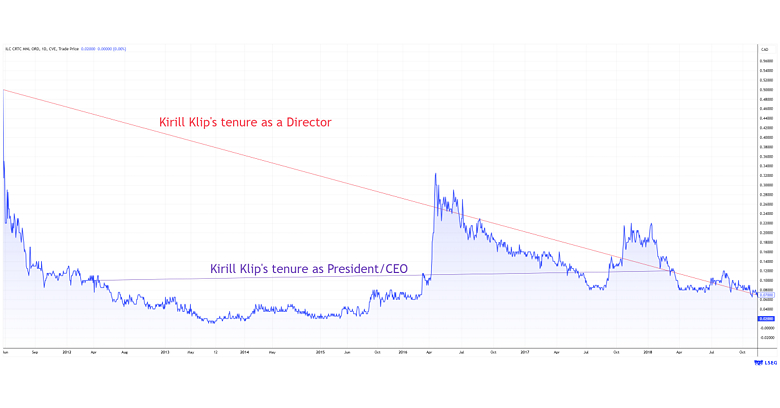
TNR Gold's largest shareholder, Eucalyptus Resources, urged investors to vote for its dissident board nominees at the September 22, 2026 meeting, alleging management delayed the meeting by more than three months and executed a dilutive 9.9% private placement to influence the vote. Eucalyptus says TNR has threatened not to accept its proxies over auditor-voting language and has reserved legal remedies for alleged shareholder disenfranchisement. The activist also criticized management over dilution, executive cash bonuses, option issuances and an alleged nearly 90% destruction of International Lithium value during director Kirill Klip's tenure.
Analysis
This is a governance-event trade, not a fundamentals signal: the principal near-term variable is whether the dissident slate can convert ownership into counted votes amid procedural disputes. A contested outcome or injunction risk can impair liquidity and delay any strategic review, capital-allocation change, or asset monetization process; for a TSX-V microcap, that uncertainty is more likely to widen the bid/ask and depress the valuation than create a clean upside catalyst before the meeting.
If the dissident succeeds, the market may assign option value to a portfolio review, reduced related-party concerns, and a reset of dilution policy over the subsequent 1-3 months. That upside is conditional on independently verifiable actions—board reconstitution, an immediate freeze on equity issuance, disclosure of cash burn and asset-level valuation work—not the activist's promotional claims. If incumbents retain control, the risk is a renewed financing overhang and further multiple discount; the more durable 6-18 month issue is whether TNR can fund holding-company costs without issuing equity at a discount.
The contrarian point is that a board change alone does not create NAV: junior-resource holdings can remain illiquid, and a governance discount can be replaced by execution and financing risk. ILC is not a direct read-through trade absent confirmation of TNR's current ownership exposure or a transaction linkage; the commentary on an executive's historical record is reputationally relevant but insufficient to underwrite an ILC position.
AllMind Terminal
AI-powered research, real-time alerts, and portfolio analytics for institutional investors.
Request TrialMarket Sentiment
Overall Sentiment
mildly negative
Sentiment Score
-0.35
Ticker Sentiment
Key Decisions for Investors
- No outright TNR position before the September 22 vote for liquid strategies; event uncertainty, limited float/liquidity, and potential proxy litigation make downside gaps difficult to hedge.
- Place TNR on an event-driven watchlist: consider a small long only after a dissident win is formally certified and the new board commits within 30 days to no dilutive financing, a cash-burn disclosure, and a portfolio/strategic review. Size for binary governance and liquidity risk; exit if any discounted placement is announced.
- For existing TNR holders, reduce exposure into any vote-related price spike unless accompanied by verified asset-value disclosure or a credible monetization process. A failed dissident campaign or post-meeting financing would falsify the governance-re-rating thesis.
- Do not use ILC as a sympathy short or pair leg. Revisit only if filings establish material cross-holdings, shared financing arrangements, or a transaction catalyst; absent that evidence, the linkage is narrative rather than investable.
More News
- Here’s the ‘core economic flaw’ in the AI bull case as stock and bond trades unravel, according to a top economist
- Braskem creditors, shareholders near deal on $11bn debt restructuring
- Instacart reportedly discussed selling itself with DoorDash and Uber
- Nvidia's role as AI financier faces first big test as neoclouds take market hit
- Trump set to announce plan by Audi to build a U.S. factory in Georgia, source says
- Why popular airplanes are getting scrapped years early