
Houthis Escalate Attacks on Saudi Arabia, Three Killed at Riyadh Airport
Source: Bloomberg
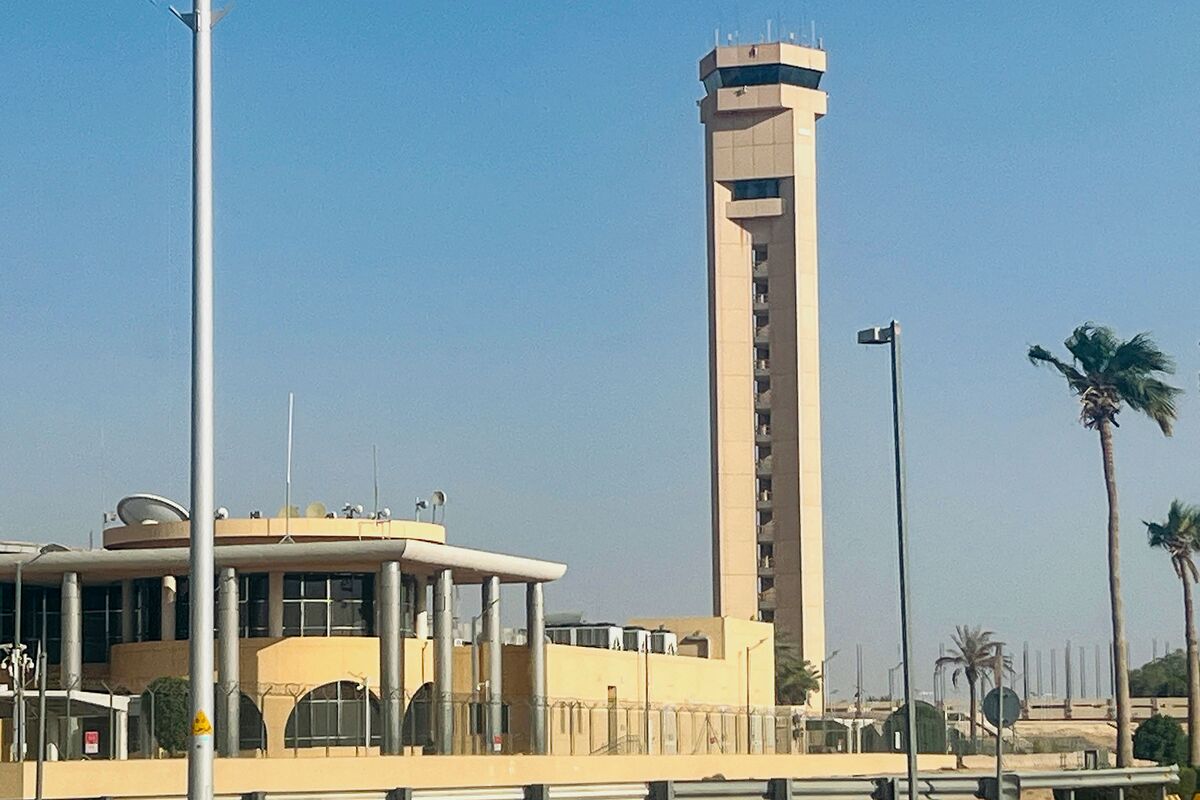
Local officials said three Saudi citizens were killed and others injured in two attacks yesterday on Riyadh’s King Khalid International Airport; fatalities from strikes on that airport this week now total four. Two other people were killed in an assault on Abha airport, and several airlines have canceled flights to Riyadh amid escalating Houthi attacks.
Analysis
The immediate transmission channel is aviation risk, not yet an oil-supply shock. Repeated airport attacks can raise insurance and security costs, prompt route suspensions, and depress bookings for Saudi- and Gulf-exposed travel operators; the spillover to global airlines should remain limited unless cancellations spread across hubs or airspace restrictions widen. A crude-risk premium is possible, but without disruption to energy infrastructure or export routes, treating this as a durable oil catalyst looks premature.
Over the next 1–3 months, watch the breadth and duration of flight suspensions, airspace advisories, and insurer pricing. Persistent disruption would pressure regional travel demand and could make regional carriers less attractive relative to diversified airlines. Over 6–18 months, sustained security costs or reduced visitor confidence could weigh on Saudi travel and tourism investment; a rapid return to normal operations would reverse that thesis.
Contrarian angle: markets may over-translate an airport-security event into an energy-supply event. The risk is asymmetric if attacks migrate toward oil facilities or shipping, but that escalation is not established by the available facts. No broad airline or crude position is justified on this report alone.
AllMind Terminal
AI-powered research, real-time alerts, and portfolio analytics for institutional investors.
Request TrialMarket Sentiment
Overall Sentiment
moderately negative
Sentiment Score
-0.55
Key Decisions for Investors
- Avoid a broad airline short for now. Track cancellations, airspace restrictions, and insurer pricing; broaden the hedge only if disruption extends beyond the affected Saudi routes or persists across several weeks.
- Keep regional travel and Gulf-exposed aviation on a watchlist rather than assuming company-level earnings exposure. Verify each operator’s route share, cancellation duration, and any insurance or security-cost disclosures before sizing a position.
- Do not add crude exposure solely on this event. Consider a defined-risk Brent call spread only if there is verified disruption to energy infrastructure, exports, or shipping; otherwise the geopolitical premium may fade.
- Falsify the aviation-risk thesis if affected routes normalize promptly and bookings remain resilient; upgrade the risk if attacks spread, airspace restrictions widen, or carriers materially revise guidance.
More News
- Trump's diesel agreement with Putin accused of contradicting Russia sanctions law
- Authorities said Houthi-claimed attacks on Riyadh airport killed three Saudi citizens, as airlines suspend at least 124 flights
- Trump reaches Russian diesel supply deal as U.S. fuel prices surge
- Putin tells Trump peace talks are unlikely, cites Ukraine drone attacks
- Rising fuel costs slashed Delta’s profit outlook despite strong demand
- Trump struck a diesel deal with Putin just weeks after signing Russia sanctions. Zelenskyy calls it ‘a weak decision’
From AllMind Research
- Anthropic IPO Preview: Valuation, Timing, and What to Watch
- Shein After the IPO: Venue, Valuation, and What Must Be Proved
- What AI Research Tools Should a Small Hedge Fund Buy First?
- Best AI Stock Research Tools for Professional Investors
- Weekly Update: Adding Live MBO Level 3 Data - Liquidity Heatmap, OFI Charts, and More