
LI-S ENERGY BATTERY POWERS NEAR TWO HOUR ENDURANCE FLIGHT OF EATP PEGASUS DRONE
Source: PR Newswire
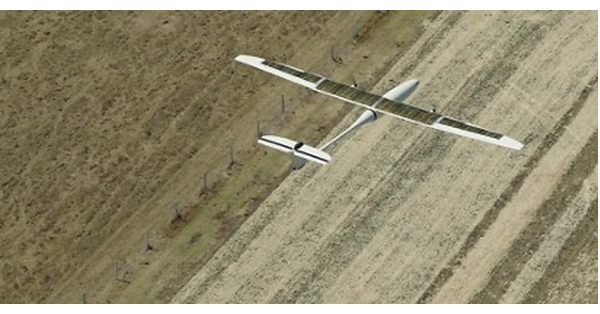
Li-S Energy's Pegasus drone completed an almost two-hour, 75km-plus endurance flight on a single 382Wh lithium-sulfur battery pack, landing with capacity remaining. On an equivalent cell-weight basis, the lithium-sulfur cells delivered 80% more range and flight time than a professional lithium-polymer UAV battery. The partners now target a two-pack, solar-assisted platform capable of 5-8 hour missions and 250km range, and will assess commercial platform sales following successful flight testing.
Analysis
This is a technical de-risking event for ASX:LIS, but not yet a revenue de-risking event. The relevant valuation bridge is from laboratory energy density to a qualified, repeatable aviation battery product: cycle life, pack-level gravimetric density, thermal behavior, manufacturing yield and unit cost will determine whether LIS can convert a demonstrator into defense or commercial UAV orders. A single successful flight supports credibility with procurement customers, but the implied multi-hour mission profile remains an engineering target rather than independently validated performance.
Near term, LIS can attract momentum capital because sovereign drone supply chains are strategically valued and its listed-market exposure is relatively scarce. The more material 1-3 month catalyst is disclosure of a paid customer evaluation, platform commercialization agreement, or qualification contract; absent these, the share-price response is vulnerable to retracement as the market recognizes that the development partners are private and no volume commitment has been established. The second-order beneficiary is Australian drone and counter-drone spending broadly, including ASX:DRO and ASX:EOS, though neither should receive a meaningful earnings read-through from this platform alone.
The contrarian issue is that lithium-sulfur's historic failure mode is not initial specific energy but degradation and reliability over repeated cycling, storage, and harsh-temperature use. If LIS cannot show mission-relevant cycle retention and pack-level economics against high-nickel lithium-ion alternatives, the addressable market may remain limited to premium, low-volume defense applications; that would cap revenue despite strong headline performance. Conversely, a disclosed qualification path with a defense prime could justify multiple expansion well before production revenue because it would validate both procurement access and technical durability.
AllMind Terminal
AI-powered research, real-time alerts, and portfolio analytics for institutional investors.
Request TrialMarket Sentiment
Overall Sentiment
moderately positive
Sentiment Score
0.68
Key Decisions for Investors
- Watch ASX:LIS rather than chase an initial news-driven move; initiate only after disclosure of paid trials, an offtake/framework agreement, or third-party cycle-life data. Size as a venture-style position with a 6-18 month horizon, as commercial conversion—not flight-test publicity—is the value inflection.
- For a tactical position, buy LIS only on consolidation with a stop below the pre-announcement support level; target a 2:1 reward/risk outcome into the next customer or qualification update. Falsify if management provides no commercialization milestones within two reporting periods or reports pack-level energy density materially below its cell-level advantage.
- Maintain ASX:DRO and ASX:EOS as separate defense-drone procurement exposures, not as sympathy longs. Add only on contract evidence or budget allocation, since the platform's potential battery advantage does not directly translate into their revenue.
- Set an alert for disclosures on cycle count, capacity retention, safety certification, manufacturing yield and pack cost per Wh. These data points are more decision-useful than further endurance demonstrations and would determine whether LIS can compete outside bespoke defense missions.
More News
- Greer urges G20 to back Trump tariff agenda, takes aim at China
- Tencent leases 100,000 chips from Oracle for $7 bln- FT
- California Gov. Gavin Newsom bans AI 'robo bosses' in landmark state law, reversing his earlier veto
- RAM supply set to worsen, says Micron, as CEO celebrates ‘much higher’ prices
- Why is Nidec stock plunging today?
- Why is Kioxia stock rallying today?