
Le système de stockage d'énergie (ESS) de DoGo Power, conçu pour la mise en place de réseaux intelligents, est désormais commercialisé et prêt à répondre aux commandes internationales
Source: PR Newswire
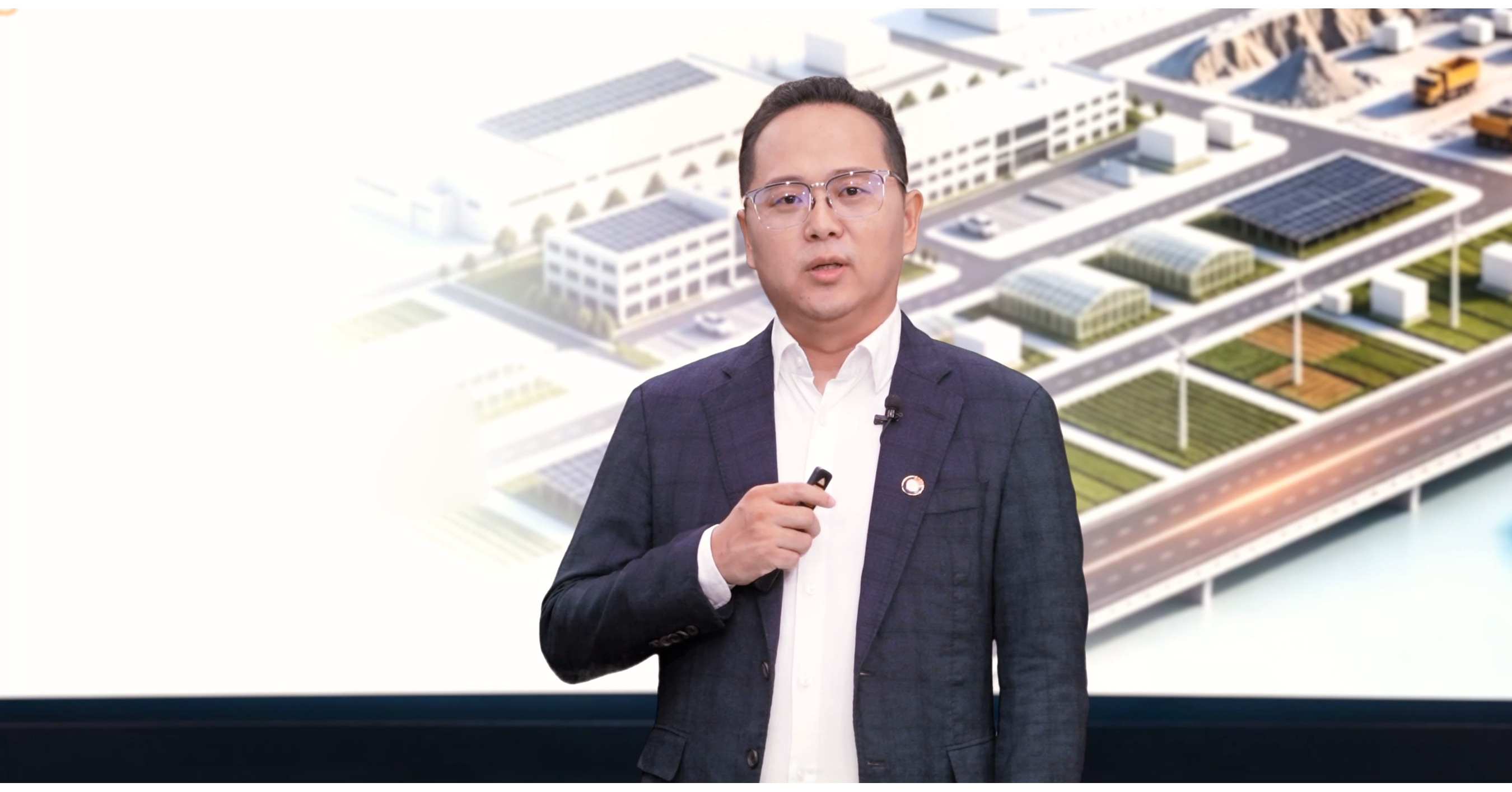
DoGo Power launched globally its grid-forming smart energy-storage systems for commercial and industrial customers and utility-scale projects, supported by an AI-enabled 4S platform. The company cites 10 GWh of initial manufacturing capacity, with its compact C&I system reducing upfront capex by $0.012/Wh, land use by 35%, and project execution by 5-7 days. Its AI tools target a 15% increase in storage revenue through optimized arbitrage and consumption-charge reduction, while thermal management is projected to improve battery state of health by more than 3% in year 10.
Analysis
This is not independently investable news: DoGo Power is private, and the claimed cost, revenue and performance improvements require validation through awarded projects, bankability reviews and warranty terms. The relevant public-market read-through is that grid-forming capability is becoming a procurement gate rather than a premium feature in weak-grid markets; this raises the value of controls, power-conversion and system-integration IP while accelerating hardware-price competition among Chinese ESS exporters.
Over the next 1-3 months, the principal risk is margin pressure for pure-play integrators such as FLNC and STEM if international tenders increasingly bundle grid-forming controls, batteries and commissioning into turnkey bids. CATL (300750.SZ) and Tesla (TSLA) are better positioned to absorb pricing pressure through cell scale and vertical integration, although TSLA's storage upside remains too immaterial to the consolidated equity story to justify a standalone catalyst trade. A more meaningful 6-18 month implication is that utilities may allow higher renewable interconnection density where grid-forming storage demonstrably substitutes for network upgrades, expanding the addressable market for storage but shifting economics toward developers and asset owners rather than equipment vendors.
The consensus risk is treating AI dispatch claims as incremental software margin. In practice, optimization economics accrue only where the asset has access to sufficiently volatile merchant prices or ancillary-service markets; more capable dispatch can also compress spreads as adoption broadens. The thesis is falsified if grid operators do not revise interconnection standards or if tender data show that grid-forming specifications fail to command either higher win rates or lower balance-of-plant costs.
AllMind Terminal
AI-powered research, real-time alerts, and portfolio analytics for institutional investors.
Request TrialMarket Sentiment
Overall Sentiment
moderately positive
Sentiment Score
0.58
Key Decisions for Investors
- No immediate position on the announcement; set a 1-3 month alert for disclosed international project awards, third-party grid-code certification and warranty/availability guarantees. Treat these as the minimum evidence needed before extrapolating private-vendor claims into listed-sector estimates.
- Maintain a cautious relative view on FLNC and STEM versus diversified storage suppliers: consider a small short FLNC / long CATL (300750.SZ) pair only after the next utility-scale tender cycle confirms further turnkey ASP compression. Target 10-15% relative downside with a 5-7% stop if FLNC shows stable gross-margin guidance or material software attach-rate expansion.
- Watch TSLA Energy Storage deployments and utility interconnection-rule changes over 6-18 months rather than buying TSLA on this theme alone. Upgrade the storage thesis only if Megapack backlog conversion lifts Energy Generation & Storage gross profit faster than automotive-margin deterioration offsets it.
- Monitor NEE and AES as potential second-order beneficiaries if grid-forming storage reduces curtailment or avoids transmission upgrades in their development pipelines; initiate only on project-specific disclosures showing improved IRRs, not on equipment-launch narratives.
More News
- Wall Street’s Nasdaq hits all-time high as AI frenzy gathers pace
- Data-Center Bet Makes ESDS One of India’s Best New Listings
- Asia stocks ride tech wave higher, oil stays subdued
- South Korean solar stocks jump as curbs on Chinese sector expected to remain in place
- ‘I have a big decision to make’: Trump had a ‘good meeting’ with Iranian officials warning he may ‘annihilate the Islamic Republic’
- Trump Says US Team Met With Iranians at UNGA
From AllMind Research
- Anthropic IPO Preview: Valuation, Timing, and What to Watch
- Shein After the IPO: Venue, Valuation, and What Must Be Proved
- What AI Research Tools Should a Small Hedge Fund Buy First?
- AI Tools for Independent Research Firms: A Publishing System
- Weekly Update: Options, Earnings Call Transcripts, AI Chat, Bookmarks & More