
Real Estate Expert Robert Ramey Explains Coastal Real Estate Investing in HelloNation
Source: PR Newswire
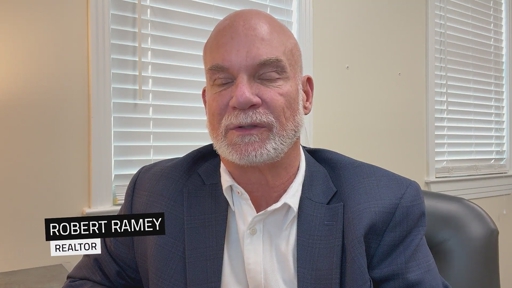
Virginia Beach coastal real estate is presented as offering dependable rental demand and gradual long-term appreciation, supported by tourism, military households and year-round residents. Seasonal occupancy is strongest from Memorial Day through Labor Day, while Sandbridge's summer visitors and extended winter stays may support steadier annual rental income. Investors are advised to budget for salt-air maintenance, evaluate flood maps and insurance costs, and verify local short-term-rental and HOA rules before purchasing.
Analysis
This is promotional local-market content rather than a data point capable of changing public-equity earnings estimates. The investable implication is indirect: coastal housing economics increasingly hinge on insurance, resilience capex, and local rental rules rather than headline occupancy. Higher recurring insurance premiums, deductibles, and saltwater-related replacement cycles can absorb a disproportionate share of gross rental revenue, making underwriting based on peak-season rates materially less reliable than an annualized net-yield model.
For listed markets, the cleaner read-through is to catastrophe-sensitive insurers and home-improvement suppliers rather than residential REITs, which have limited Virginia Beach-specific exposure. Any broad coastal-property repricing would be a 6-18 month development driven by FEMA map revisions, carrier capacity withdrawals, or municipal short-term-rental restrictions; none is evidenced here. Near term, this is not a catalyst for AMH, INVH, HD, LOW, or insurance names, and the claimed durability of local demand should be treated as unverified absent occupancy, ADR, insurance-renewal, and transaction-price data.
Contrarian point: coastal scarcity narratives often capitalize gross rent while undercapitalizing future resilience spending. Owners able to fund elevation, drainage, HVAC protection, and exterior replacement may gain share if smaller investors exit after insurance resets, but that is a private-market selection effect—not necessarily a public-equity tailwind. The thesis would turn actionable only if local insurance-cost growth exceeds rent growth for multiple renewal cycles, or if regulatory changes materially constrain short-term-rental supply.
AllMind Terminal
AI-powered research, real-time alerts, and portfolio analytics for institutional investors.
Request TrialMarket Sentiment
Overall Sentiment
mildly positive
Sentiment Score
0.28
Key Decisions for Investors
- No immediate public-equity trade: impact is too localized and lacks independently verifiable transaction, occupancy, insurance, or regulatory data.
- Create a 1-3 month watchlist for Virginia coastal insurance and rental economics: FEMA flood-map actions, Virginia Beach short-term-rental ordinance changes, NFIP/private-carrier premium renewals, and local hotel/short-term-rental occupancy data.
- If evidence emerges that coastal insurance premiums are rising faster than rents, favor a defensive housing pair: short coastal-exposed private-market proxies where available versus long AMH or INVH, which have diversified inland portfolios; do not initiate without geographic revenue and property-exposure confirmation.
- Monitor HD and LOW only as a second-order resilience-capex indicator. A sustained pickup in storm-hardening, exterior repair, and HVAC replacement demand could support same-store-sales expectations, but isolated coastal maintenance spending is insufficient to alter either company’s earnings outlook.
More News
- Tata Sons’ IPO Standoff Against RBI Tests Power and Reach of India Central Bank
- Congress passes sweeping US sanctions bill targeting Russia
- What to know about US Federal Reserve’s first interest rate hike in 3 years
- Trump calls Canada's potential EU associate membership 'laughable,' warns Europe of 'very heavy tariffs'
- House Passes Bill Allowing Trump Tariffs on Russian Oil Buyers
- Fed approves interest rate hike, signals one more to come this year