
Renue Blue™ Body Cream Shows Promising Results in Citruslabs Study
Source: PR Newswire
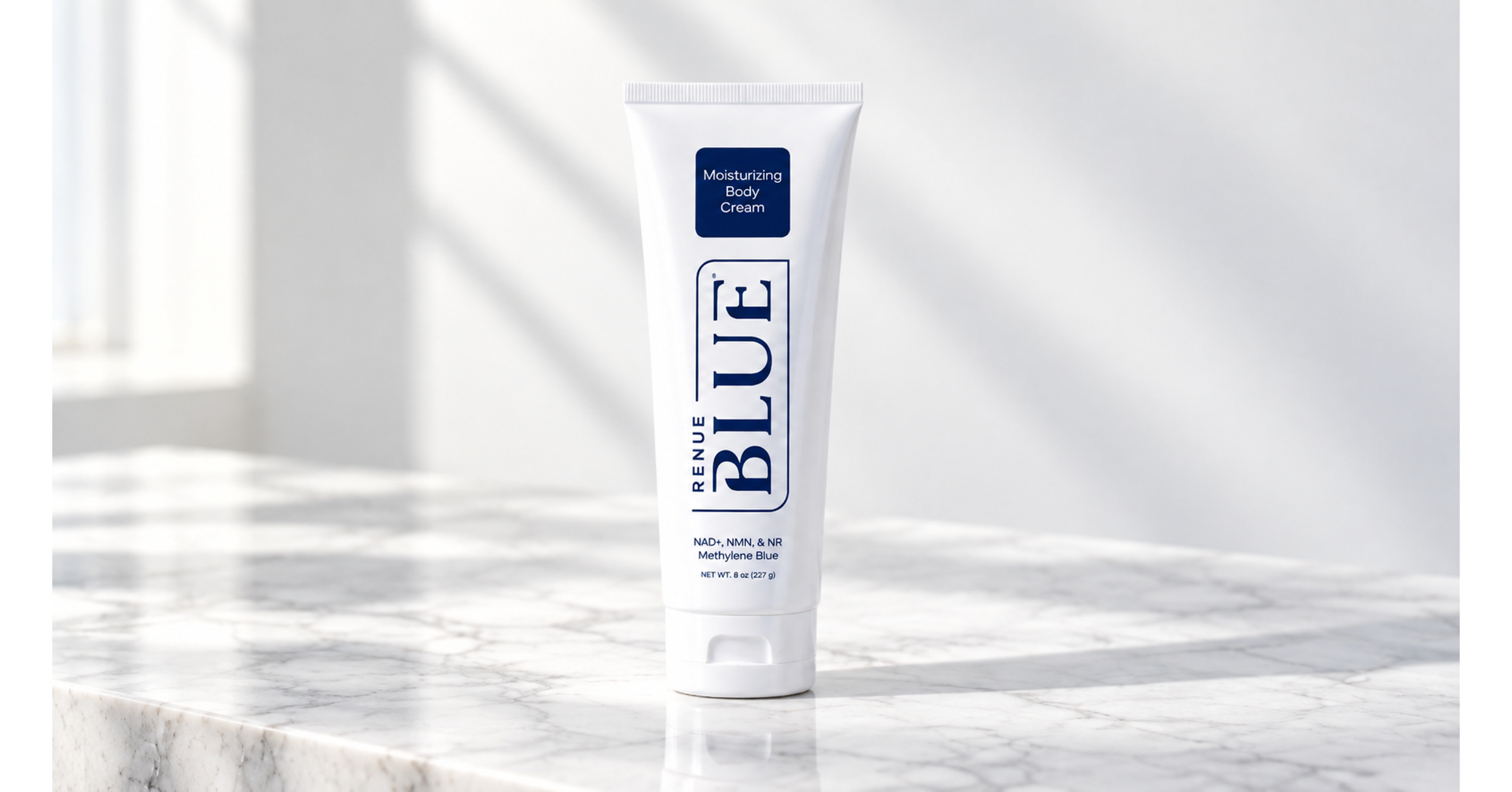
Renue Blue reported favorable results from a four-week Citruslabs consumer-perception study of its Moisturizing Body Cream: 94% of participants said skin felt more hydrated and smoother, 91% said skin looked healthier, and 89% reported improved fine-line appearance. Among women aged 30-65 with visible body-aging signs, 91% said they would continue using the product and recommend it. The company says the study supports its product claims and consumer positioning, though the announcement provides no revenue, sales, or independently measured clinical efficacy data.
Analysis
This is not investable public-market information on its own: the evidence is a short-duration, self-reported perception study commissioned by the brand, with no disclosed sample size, control group, purchase-repeat data, pricing, distribution, or revenue contribution. The immediate read-through for listed beauty companies is therefore negligible; claims substantiation may modestly improve digital conversion, but it does not establish clinical efficacy or durable pricing power.
The more relevant structural signal is that "body anti-aging" is becoming a premiumization adjacency rather than a basic-moisturizer category. If consumer spend migrates toward efficacy-led body care, prestige incumbents with distribution and claims-compliance infrastructure—EL (La Mer/Aveda), ULVR (Dove prestige adjacencies), COTY and L'Oréal (OR.PA)—are better positioned to scale the category than a direct-to-consumer niche entrant. Mass players face less upside because higher active-ingredient costs and retailer promotional intensity can absorb much of incremental gross margin.
Over the next 1-3 months, monitor Amazon rank/review velocity, paid-search intensity, subscription attachment, and specialty-retail placement for Renue Blue rather than extrapolating from stated willingness to repurchase. A 6-18 month category opportunity would require independent clinical endpoints and repeat purchase strong enough to support retail sell-through; absent those, this is primarily low-cost marketing collateral rather than a demand inflection. The contrarian view is that consumers may resist paying facial-skincare multiples for body products, making broad premiumization assumptions premature.
AllMind Terminal
AI-powered research, real-time alerts, and portfolio analytics for institutional investors.
Request TrialMarket Sentiment
Overall Sentiment
mildly positive
Sentiment Score
0.38
Key Decisions for Investors
- No standalone trade: do not position in listed beauty equities on this release; the disclosed study lacks the sales, margin and independent-validation data needed to change earnings estimates.
- Add EL, ULVR, COTY and OR.PA to a body-care premiumization watchlist for the next two earnings cycles; act only if management reports sustained body-care growth above core skincare/beauty growth and stable gross margin, indicating incremental mix rather than promotional volume.
- For a consumer-staples relative-value screen over 6-18 months, prefer ULVR over mass-only personal-care exposure if premium body-care sell-through accelerates; invalidate if prestige/body-care growth does not outpace group organic growth for two consecutive quarters or gross margin compresses from formulation and promotion costs.
- Monitor FDA/FTC advertising enforcement and retailer claim-review standards as a downside catalyst for small efficacy-marketing brands; tighter substantiation requirements would advantage scaled incumbents with clinical and regulatory budgets, but there is no current event-based short setup.
More News
- Here’s the ‘core economic flaw’ in the AI bull case as stock and bond trades unravel, according to a top economist
- How Pepsi fell behind in the cola wars—and then lost KFC
- 5 big analyst AI moves: ’Uniquely catalyst-rich’ months ahead for SpaceX
- The experience economy keeps defying expectations. Maybe we’ve been looking at it all wrong
- Braskem creditors, shareholders near deal on $11bn debt restructuring
- Xencor reports phase 1 data for cancer drug XmAb819