
Drones Hit Russian Industrial Site Deep in Western Siberia
Source: Bloomberg
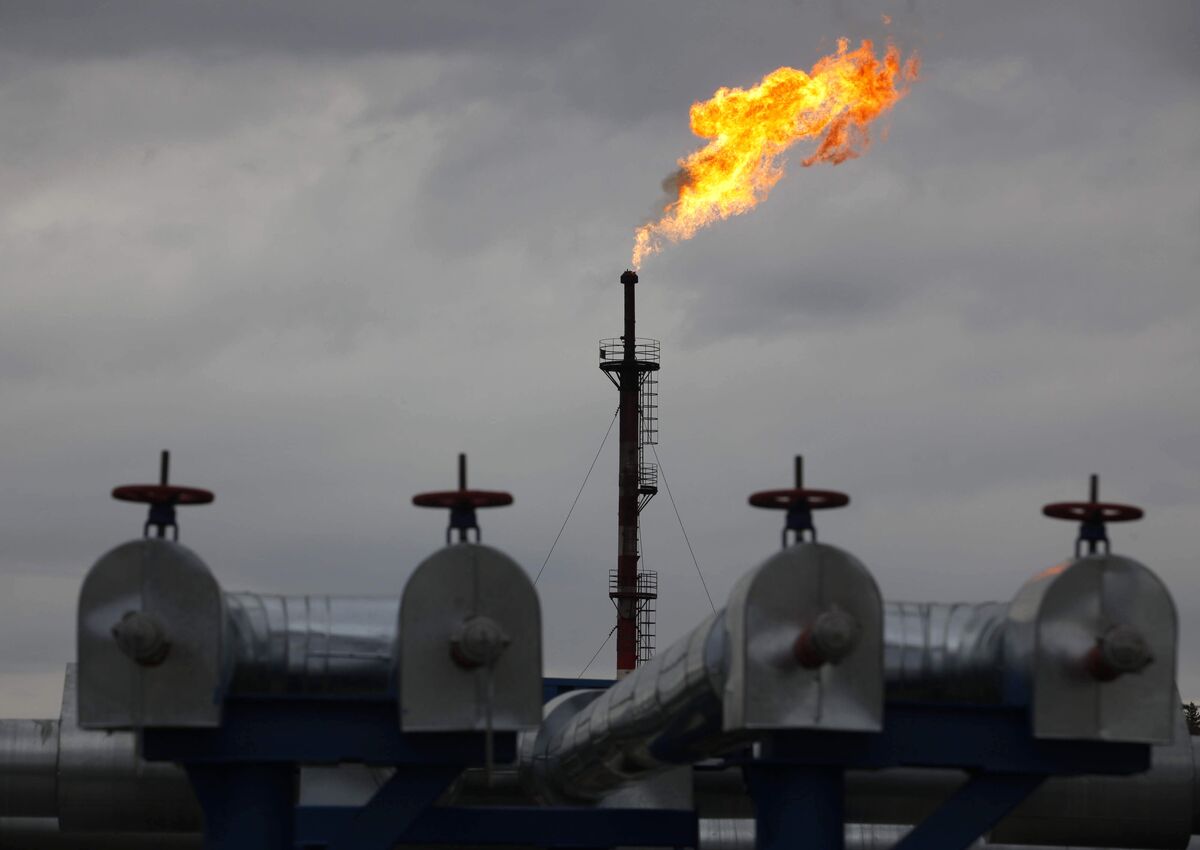
A drone attack caused a fire at an industrial facility in Russia’s Surgut district, more than 2,130 km (1,324 miles) northeast of Moscow, according to regional governor Ruslan Kukharuk. The district is home to several oil and gas assets, but the report does not identify the struck facility or specify damage or operational effects.
Analysis
The market-relevant question is not the distance reached by the drones but whether the site is a bottleneck in production, processing, storage, or export logistics. The facility and damage are not identified, so a direct Russian supply-loss estimate—and a durable crude-price premium—cannot yet be supported. If operations are impaired, reduced availability or slower flows could lift near-dated crude risk premiums; even without material lost barrels, repeated strikes could raise security and operating costs and divert air defenses. Those are conditional risks, not established impacts from this incident.
Over days, watch for confirmation of facility function and any interruption to production or pipeline nominations. Over 1–3 months, a pattern of attacks on distinct energy nodes would matter more than a single fire, potentially increasing volatility and the value of geopolitical hedges. The 6–18 month implication is higher resilience spending and a less reliable risk discount for Russian energy infrastructure, but the effect depends on the sites targeted and repair timelines.
Contrarian point: headline reach may overstate supply impact. If the facility is not a critical node and flows remain intact, the event is more likely to produce a short-lived risk premium than a sustained change in balances. No company-specific exposure can be assigned from the information provided.
AllMind Terminal
AI-powered research, real-time alerts, and portfolio analytics for institutional investors.
Request TrialMarket Sentiment
Overall Sentiment
mildly negative
Sentiment Score
-0.25
Key Decisions for Investors
- No immediate outright crude position on this report alone. Treat any prompt-price spike as a potential fade unless independent reporting verifies lost throughput or damage to a critical node.
- Set an alert for verified operating status, pipeline nominations, export-flow data, and follow-up incidents. If a material interruption is confirmed, consider a defined-risk, near-dated Brent call spread rather than an unhedged futures position; exit or avoid entry if flows remain normal and no repeat strikes emerge.
- Falsify the disruption thesis if the facility resumes normal operations promptly and there is no observable change in regional production or transport flows. Reassess upward only if multiple incidents or sustained flow reductions are verified.
More News
- Dow falls 189 points as AI stocks slide and oil prices surge
- Wall Street Anxiety Spreads as AI Rout Meets $110 Oil Shock
- Ukraine advances in occupied Donetsk as Trump hands Putin diesel deal
- Trump says White House didn't order Starlink restrictions in Ukraine
- We're downgrading this retail stock after a big comeback. Plus, AI names slide again
- Trump rules out using a nuclear bomb on Iran: Why that matters