
Paramount Backer Cardinale Says CEO David Ellison Is the ‘Future’ of Hollywood
Source: Bloomberg
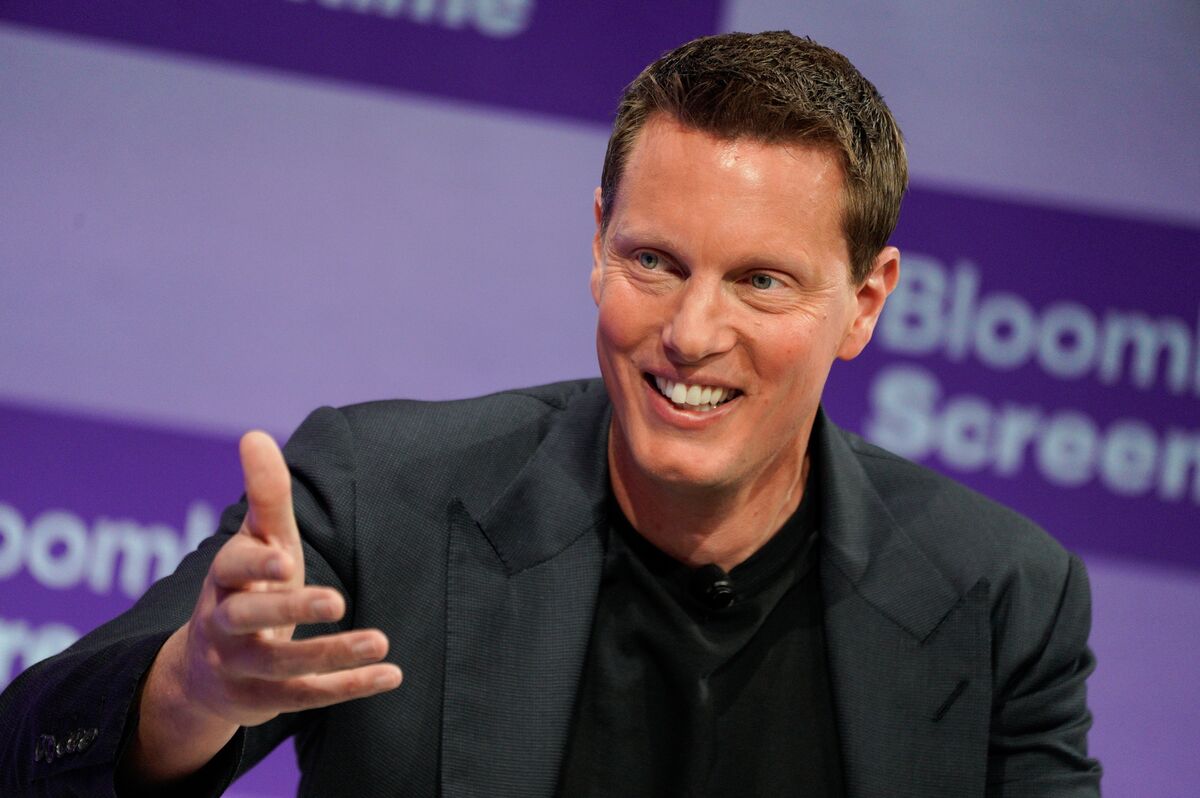
RedBird Capital founder and Paramount co-owner Gerry Cardinale said CEO David Ellison is the “future” of Hollywood and characterized Paramount’s pending merger with Warner Bros. Discovery as positive for the industry. The comments provide supportive investor framing for the proposed media combination, though the article provides no transaction value, timetable, or financial terms.
Analysis
The relevant equity signal is not management endorsement but whether a combined PSKY/WBD can remove duplicative distribution, marketing, technology and overhead costs faster than it loses affiliate fees and linear-TV cash flow. The market should assign materially more value to WBD’s studio/library and direct-to-consumer assets inside a larger platform than on a standalone basis, but only if merger financing does not transfer WBD’s leverage problem onto PSKY. In the next 1-3 months, any disclosure of consideration, financing mix, governance rights and regulatory remedy assumptions will dominate operating fundamentals.
Consensus may overstate the strategic value of scale while understating execution risk: entertainment consolidation has historically produced slow synergy realization because creative spending cannot be cut like corporate overhead without weakening the content pipeline. Netflix (NFLX), Amazon (AMZN) and Alphabet (GOOGL) retain structurally superior global distribution and balance sheets, so a merger alone does not close the streaming profitability gap. The more actionable second-order beneficiary is likely third-party content owners and sports-rights holders if a combined buyer rationalizes internal production and competes more aggressively for scarce franchises; conversely, cable-network advertising and affiliate-exposed peers remain vulnerable to accelerated channel rationalization.
TSM’s prospective US capacity build is strategically positive but should not be valued as near-term incremental earnings: a multi-year greenfield ramp is likely margin-dilutive versus Taiwan production absent subsidies, customer prepayments, or a sustained geographic-resilience premium. The nearer catalyst is evidence that AI customers accept higher US-made wafer pricing and commit volume; without that, the project primarily increases capital intensity. This creates a 6-18 month watchpoint for ASML, AMAT and LRCX order visibility rather than an immediate semiconductor trade.
AllMind Terminal
AI-powered research, real-time alerts, and portfolio analytics for institutional investors.
Request TrialMarket Sentiment
Overall Sentiment
mildly positive
Sentiment Score
0.35
Ticker Sentiment
Key Decisions for Investors
- Maintain PSKY/WBD as an event-driven watch rather than initiate on commentary. Enter a long WBD / short PSKY ratio only after disclosed deal terms imply a >15% annualized gross spread and committed financing; exit if regulatory review expands beyond 9 months or financing relies materially on new PSKY equity.
- If a transaction is announced with predominantly stock consideration, favor long WBD versus short NFLX as a 3-6 month re-rating trade: WBD captures takeout/synergy optionality while NFLX has limited direct synergy participation. Size for a 10-15% WBD downside if the deal fails; falsify on management guidance showing no credible DTC profitability or cost-synergy timetable.
- Avoid treating the TSM US-build narrative as a near-term TSM earnings catalyst. Set an alert for customer-backed capacity commitments, disclosed subsidies, and US fab gross-margin guidance; only then consider a 6-18 month long TSM/short SOXX pair if TSM secures pricing that offsets higher US operating costs.
- Monitor WBD credit spreads and free-cash-flow guidance as the highest-frequency merger-risk indicators. A sustained spread widening or a downward FCF revision would signal that balance-sheet constraints, rather than strategic logic, are likely to determine transaction structure.
More News
- Paramount and Warner Bros Discovery to become Skydance
- David Ellison says combined Paramount and Warner Bros. Discovery will be named Skydance
- Paramount’s Warner Bros. megamerger will just be called Skydance
- David Ellison goes minimalist with his new name for his Paramount-Skydance-Warner-Bros-Discovery empire
- Paramount-WBD Will Now Be Called Skydance, David Ellison Reveals
- Paramount promised 30 movies a year to win Warner Bros. Losing Miramax if it fails may not scare it
From AllMind Research
- Anthropic IPO Preview: Valuation, Timing, and What to Watch
- Shein After the IPO: Venue, Valuation, and What Must Be Proved
- What AI Research Tools Should a Small Hedge Fund Buy First?
- Weekly Update: AI-Powered Report Editing, Investor Relations, and Enhanced Search
- Automating Financial Model Updates: A Source-Controlled Workflow