
Tamarack Resort Massively Expands Snowmaking Capabilities
Source: PR Newswire
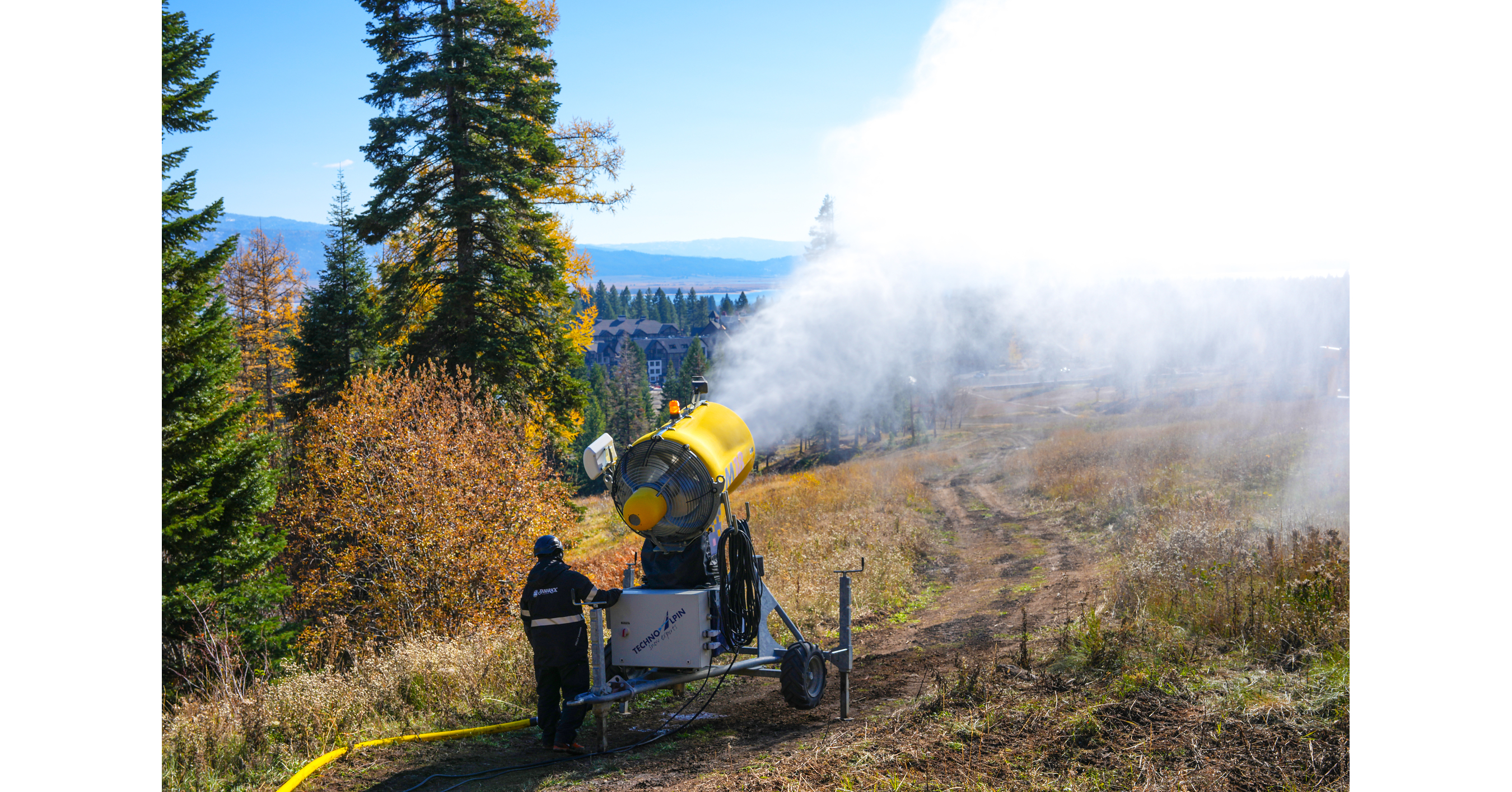
Tamarack Resort is expanding automated snowmaking coverage to more than 20% of its existing ski terrain, installing TechnoAlpin TT10 tower guns on Waltz and the full length of Serenity. The project includes 1,515 feet of water pipeline, 1,600 feet of buried electrical cable, six hydrants and 12 reinforced pits, enabling the resort to capture short two- to four-hour early-season cold-weather windows. Permanent coverage on key beginner and top-to-bottom runs will free mobile snowguns for other trails and terrain parks, supporting a longer and more consistent winter operating season.
Analysis
This is not material to public-equity earnings, but it reinforces a widening operational divide between capitalized destination resorts and smaller independent mountains. Automated snowmaking converts volatile early-season weather into more predictable opening dates, lift-ticket inventory, ski-school utilization, and lodging occupancy; the highest incremental economics are likely in beginner terrain, where rentals, lessons, and repeat visitation carry outsized ancillary spend. The infrastructure also lowers labor intensity during narrow cold windows, although water, power, and maintenance costs limit margin benefit if winter temperatures remain persistently above efficient snowmaking thresholds.
For public comparables, the relevant read-through is modestly constructive for Vail Resorts (MTN): snowmaking capital is becoming a defensive necessity rather than a discretionary amenity, favoring operators with scale, water rights, and balance-sheet capacity. Over 6-18 months, climate volatility should increase capex requirements across the ski industry and pressure undercapitalized regional operators, potentially supporting consolidation or destination-market share gains for scaled pass networks. The contrarian point is that investors may overvalue snowmaking as a full weather hedge: it requires both adequate cold hours and water availability, so warm nights, drought restrictions, or higher electricity rates can still impair season economics.
The near-term market signal is too small and issuer-specific to justify a directional position. The more investable catalyst is industry evidence of earlier openings, higher holiday-period visitation, or reduced weather-related guidance volatility during the 2026-27 season; absent that evidence, this remains an operational watch item rather than an earnings estimate change.
AllMind Terminal
AI-powered research, real-time alerts, and portfolio analytics for institutional investors.
Request TrialMarket Sentiment
Overall Sentiment
mildly positive
Sentiment Score
0.32
Key Decisions for Investors
- No standalone trade on this announcement; maintain a watch item on MTN ahead of winter operating updates, focusing on early-season opening dates, skier-visits, ski-school mix, and snowmaking-related operating-cost commentary.
- For a 6-18 month climate-resilience theme, consider MTN only on weather-driven weakness if management demonstrates stable pass retention and holiday visitation despite variable natural snowfall; thesis is falsified by sustained lift-ticket discounting, elevated utility costs, or reduced EBITDA guidance.
- Monitor regional water restrictions and power-price trends in western ski markets. A drought-driven curtailment or materially warmer early-winter nighttime temperatures would weaken the broader snowmaking-capex thesis and could create downside risk for destination-resort valuations.
More News
- Wall Street’s Nasdaq hits all-time high as AI frenzy gathers pace
- Data-Center Bet Makes ESDS One of India’s Best New Listings
- Asia stocks ride tech wave higher, oil stays subdued
- South Korean solar stocks jump as curbs on Chinese sector expected to remain in place
- ‘I have a big decision to make’: Trump had a ‘good meeting’ with Iranian officials warning he may ‘annihilate the Islamic Republic’
- Zelenskyy says Ukraine ready for energy truce with Russia after Trump talks