
Luoyang trace une nouvelle voie pour la sauvegarde du patrimoine archéologique
Source: PR Newswire
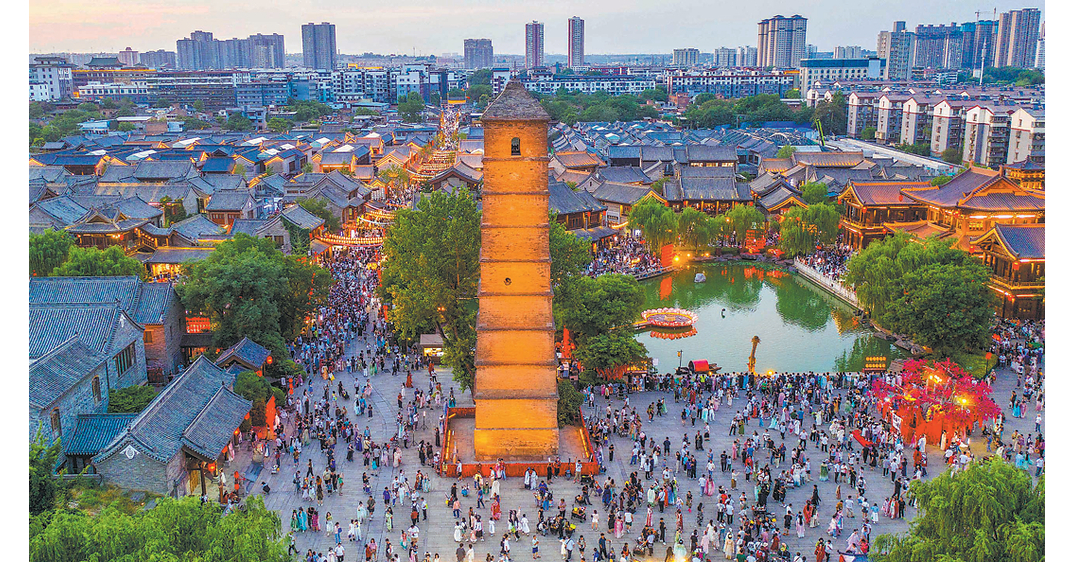
Luoyang has relocated 973 households, nearly 3,300 residents and 63 businesses from the Sui-Tang city site between 2007 and 2024, freeing 62 hectares in the palace core for heritage development. The city is pairing archaeological conservation with urban planning, including a botanical garden of nearly 200 hectares; the article describes cultural-preservation initiatives rather than a material market event.
Analysis
Investment read-through is local and execution-dependent, not a broad infrastructure or listed-company earnings signal. The potentially investable mechanism is whether preservation spending converts into durable visitor demand and commercial activity; the article supplies no visitor, ticketing, hotel, or project-financing data to establish that conversion. Heritage protection can also constrain adjacent development and commercial use, so rising cultural visibility does not automatically translate into higher site-level returns.
The 2007–2024 relocation process suggests a long implementation cycle: other cities seeking similar redevelopment may face compensation costs, social friction, and delayed land monetization. That is a conditional risk for local-government finances and property developers, not evidence of a specific liability at Luoyang. Potential beneficiaries include tourism operators, hotels, and cultural-content or digital-preservation providers, but procurement and revenue capture are unverified; competing destinations may simply divide a largely domestic travel wallet.
Near term, treat the forum and promotional coverage as sentiment rather than an earnings catalyst. Over 1–3 months, monitor visitor volumes, tourism receipts, project tenders, and local funding disclosures. Over 6–18 months, the thesis depends on repeatable visitation and operating revenue without compromising conservation. The contrarian point: the story may overstate commercialization potential while understating the cost and time required to turn protected land into cash-generative tourism assets. No company identities or securities are supplied, so there is no defensible single-name trade.
AllMind Terminal
AI-powered research, real-time alerts, and portfolio analytics for institutional investors.
Request TrialMarket Sentiment
Overall Sentiment
mildly positive
Sentiment Score
0.20
Key Decisions for Investors
- No directional position on this announcement alone; do not treat forum publicity as evidence of incremental listed-company earnings.
- Put China travel, hotel, and cultural-services exposures on a watchlist. Upgrade only if independently reported visitor counts and tourism receipts improve and persist, rather than relying on event attendance or official promotion.
- For any local redevelopment exposure, verify relocation/compensation obligations, funding sources, tender awards, and whether commercial operations are permitted at protected sites before underwriting land-value upside.
- Falsify the tourism-conversion thesis if visitor growth fails to translate into receipts or occupancy, or if conservation limits materially restrict access and monetization; reassess local-government risk if funding disclosures show delayed projects or rising relocation costs.
More News
- Why is Domino’s Pizza Enterprises stock sliding today?
- Taiwan agrees to buy 30% of gas from Alaska LNG project, Trump says
- Houthis Hit Saudi Aramco Headquarters in Missile Attack
- Applied Materials’ $5 billion AI lab aims to cut chip development time in half—and restore Silicon Valley’s edge
- Mainspring, AEP Strike Deal to Bring Power Online Faster
- FBI arrests OpenAI employee accused of planting secret recording device in conference room