
Harris Teeter Announces $253 Million Investment to Enhance Stores and Expand Footprint Across Charlotte Over the Next Three Years
Source: PR Newswire
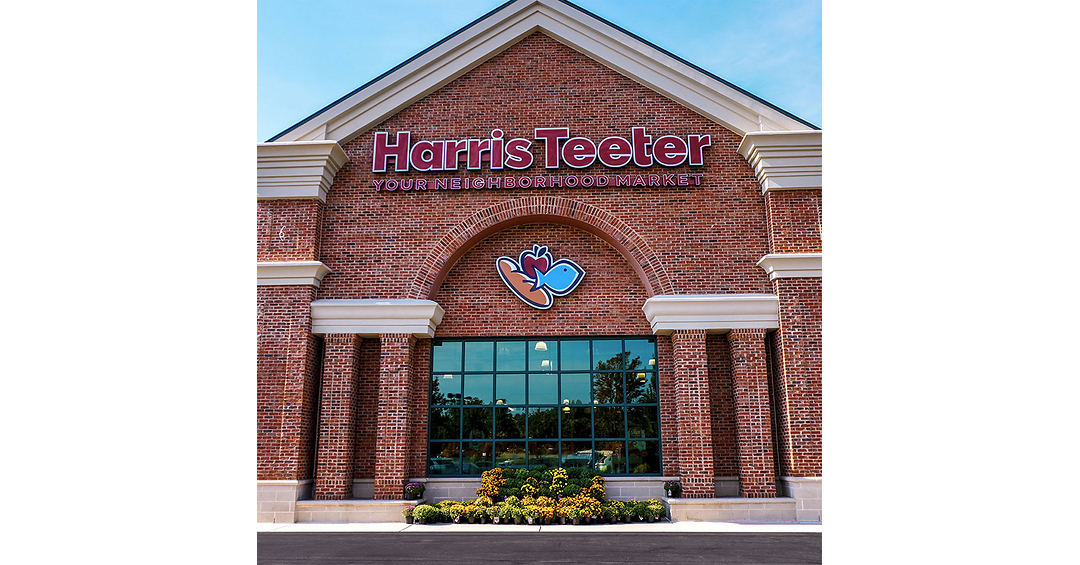
Harris Teeter, a wholly owned Kroger subsidiary, will invest approximately $253 million over three years to modernize selected Charlotte-area stores and develop three new locations in Fort Mill, Lake Wylie and Kannapolis. Planned upgrades include expanded fresh and prepared-food offerings, store-layout improvements, and enhanced pickup and delivery services. The regional investment supports Harris Teeter's long-term growth and customer-convenience strategy but is unlikely to materially affect Kroger's overall financial results.
Analysis
The spend is immaterial to Kroger’s consolidated earnings, but it is strategically relevant because Charlotte is a high-growth, affluent Southeastern market where store quality, fresh assortment and fulfillment density determine share retention. The likely near-term effect is modest margin dilution from remodel disruption, pre-opening labor and depreciation; any sales lift should emerge over 12-24 months rather than in the next quarter. Investors should treat management’s customer-experience claims as unproven until same-store sales in the Harris Teeter banner and digital profitability are disclosed.
The more consequential competitive read-through is local: Publix, Ahold Delhaize’s Food Lion (AD.AS), Walmart (WMT), Costco (COST) and Amazon/Whole Foods face a better-positioned premium conventional competitor in overlapping Carolinas trade areas. Food Lion is most exposed at the value end if Harris Teeter uses improved pickup capacity and targeted promotions to narrow its convenience gap, while Publix is more exposed in higher-income fresh/prepared-food missions. New-store openings also raise the probability of localized price and labor competition, limiting the chance that renovation-led traffic gains translate one-for-one into gross-margin expansion.
For KR, the catalyst path is gradual: remodel completions and new-unit ramps can support Southeast share narratives over the next 1-3 years, but the market will prioritize identical-sales growth, gross-margin rate and free-cash-flow conversion over announced capex. The contrarian view is that this is defensive maintenance rather than incremental growth capital; if project returns merely protect existing volume, KR’s multiple should not re-rate. Thesis is falsified positively by sustained Harris Teeter comparable-sales outperformance with stable margin, and negatively by elevated capex, weaker FCF or stepped-up promotional intensity across Carolinas.
AllMind Terminal
AI-powered research, real-time alerts, and portfolio analytics for institutional investors.
Request TrialMarket Sentiment
Overall Sentiment
mildly positive
Sentiment Score
0.38
Ticker Sentiment
Key Decisions for Investors
- No standalone KR trade on the announcement; maintain a watch item for the next two earnings calls. Upgrade only if management quantifies Harris Teeter same-store-sales acceleration and keeps consolidated free-cash-flow guidance intact.
- For a 6-18 month defensive retail allocation, prefer a modest long KR versus short XRT pair rather than outright KR: Kroger’s regional density and recurring food demand should outperform discretionary-heavy specialty retail if consumer spending softens. Exit if KR’s identical-sales growth trails XRT constituents for two consecutive quarters or FCF guidance is cut.
- Monitor Carolinas promotional intensity, store labor expense and Food Lion/Publix local price checks over the next 3-6 months. Evidence of broad price matching would argue against a KR long because incremental traffic would likely be purchased through margin rather than earned through differentiation.
- Avoid assigning a valuation premium to the project until returns are visible. A meaningful increase in KR capex without corresponding sales-density improvement is a warning that capital returns and buyback capacity may be constrained.
More News
- Digital shelf labels are supposed to save shoppers money. A new NJ law says they could do the opposite—and put a one-year freeze on them
- Grab aims for 'next level' in financial services with purchase of buy-now pay-later platform Atome
- China's AI leaders keep quiet despite U.S. 'publicity' on tech risks
- Exclusive-Malaysia talks to rival airlines as it monitors AirAsia’s financial health, sources say
- China’s slower loan growth is the new normal, central bank governor says
- Chinese investors rush into US stocks as Beijing opens wider path overseas
From AllMind Research
- Anthropic IPO Preview: Valuation, Timing, and What to Watch
- Shein After the IPO: Venue, Valuation, and What Must Be Proved
- What AI Research Tools Should a Small Hedge Fund Buy First?
- Can ChatGPT or Claude Replace a Research Platform?
- How the 2026 Milan-Cortina Winter Olympics Will Reshape Company Revenues and Stock Performance