
Trump Tries a New Press Secretary With Midterm Problems Mounting
Source: Bloomberg
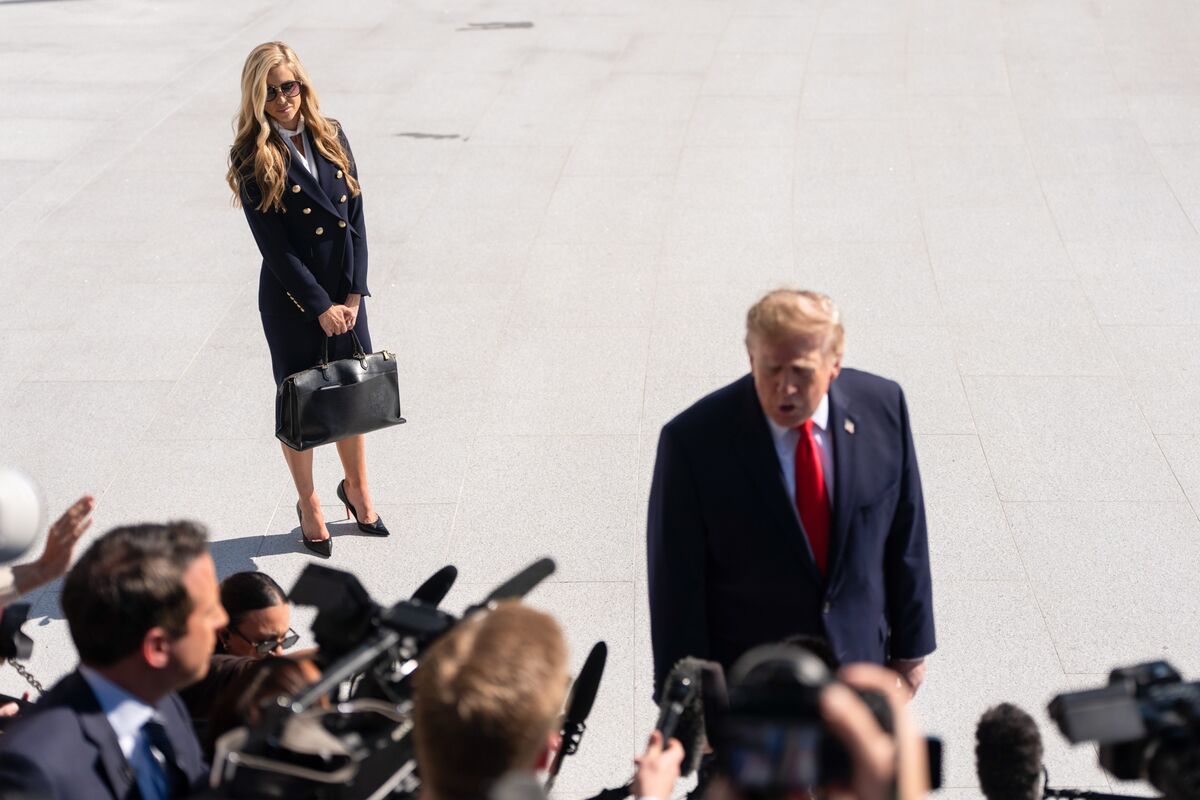
Trump has appointed Katia Zacharia as press secretary as midterm challenges mount, with voters described as unhappy about their cost of living. The article says Trump has recently complained about ineffective messaging; the provided text gives no polling figures, policy changes, or market reaction.
Analysis
The market-relevant signal is not the change in messenger; it is the administration’s apparent concern that household affordability is becoming an electoral liability. That raises the odds of a communications pivot and, conditionally, short-term policy gestures aimed at visible prices. The risk is asymmetric: rhetoric alone may have little economic effect, but concrete proposals affecting tariffs, energy, healthcare, or consumer costs could create sector-level volatility before they materially change inflation.
Over the next several weeks, watch whether affordability messaging is followed by specific executive actions or legislative proposals, and whether polling shifts after upcoming inflation and labor-market data. Over 1–3 months, deteriorating approval could increase pressure for measures with near-term political appeal but uncertain effects on supply and prices. Over 6–18 months, election outcomes matter more than press strategy: changes in congressional control could alter fiscal and regulatory expectations.
The contrarian case is that this is a communications problem, not evidence of an impending policy reversal. A new spokesperson may change the news cycle without changing voter assessments of real purchasing power. There is no clean directional trade from this item alone; avoid pricing in either a broad policy pivot or a durable change in inflation expectations without enacted measures or corroborating data.
AllMind Terminal
AI-powered research, real-time alerts, and portfolio analytics for institutional investors.
Request TrialMarket Sentiment
Overall Sentiment
mildly negative
Sentiment Score
-0.20
Key Decisions for Investors
- No standalone position: the article provides no policy detail or market catalyst sufficient to justify a broad equity, rates, or FX trade.
- Treat any affordability-focused proposal as a sector-specific event risk. If concrete measures emerge, assess direct exposure in affected industries before taking positions; distinguish proposed policy from enacted policy.
- Monitor CPI and real wage trends alongside polling. A sustained deterioration in affordability indicators would strengthen the case for elevated policy-volatility hedges; improving data without polling deterioration would weaken it.
- Falsification/watch points: a sustained improvement in household purchasing-power measures and approval polling would undercut the electoral-pressure thesis; a formal policy proposal with measurable effects on prices or corporate costs would make it actionable.
More News
- Producer prices in China rise at fastest pace since June 2022, beating expectations
- Namibia battles cattle disease outbreak as EU suspends several meat imports
- China's exports likely grew by double-digits in September
- In charts: How one of the world's biggest economies got trapped by debt
- Singapore third-quarter GDP growth softens from four-year high but beats estimates
- The latest inflation data is expected to show price increases are accelerating