
FlyDubai Co-Pilot Was Failed Student at Australian University
Source: Bloomberg
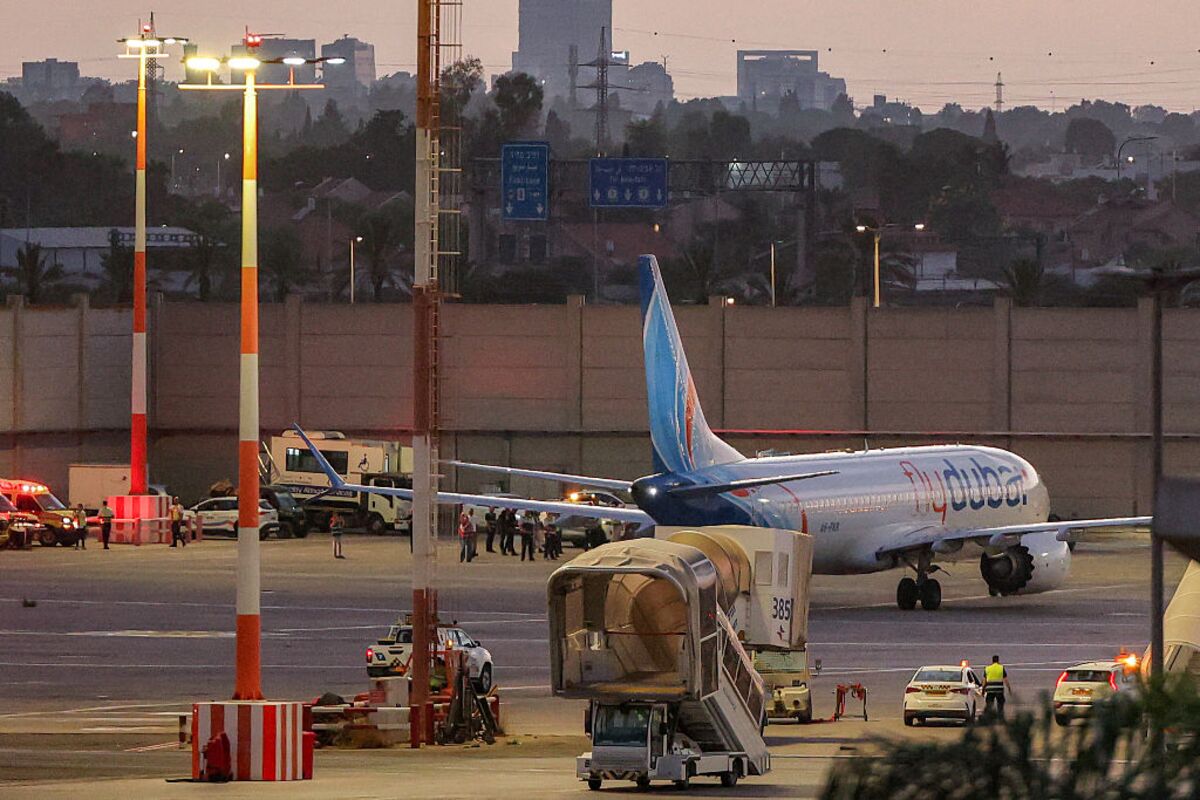
RMIT University said Monday that Hamam al-Hammami, a 29-year-old Omani FlyDubai co-pilot, enrolled at the Melbourne university but did not complete an engineering qualification. He is accused of attacking his captain mid-flight on an Israel-bound flight in an alleged murder-suicide attempt.
Analysis
This is an allegation involving one crew member, not evidence of a broader FlyDubai safety-control failure. The direct financial signal is therefore weak: reputational damage or added operating friction would require evidence that regulators, customers, or corporate travel buyers change behavior. The more plausible second-order channel is scrutiny of crew vetting, cockpit access, and airline incident-response procedures across regional carriers; that could raise compliance costs at the margin, but the article provides no indication of a regulatory action or operating disruption.
Over days, expect limited sector read-through absent confirmation of a flight disruption or official safety findings. Over 1–3 months, monitor investigation results and any changes to crew screening or route procedures. A persistent trust or regulatory issue could matter over 6–18 months, but is not established here. The contrarian point is that a dramatic allegation can invite overgeneralization from an individual case; absent repeat incidents or systemic findings, treating it as a broad airline-risk repricing signal is likely premature. No company identities or tickers were supplied, and the article does not establish a public-market exposure or a tradeable earnings impact.
AllMind Terminal
AI-powered research, real-time alerts, and portfolio analytics for institutional investors.
Request TrialMarket Sentiment
Overall Sentiment
mildly negative
Sentiment Score
-0.20
Key Decisions for Investors
- No trade on this report alone; avoid extrapolating an individual alleged act into a sector-wide safety thesis.
- Set an alert for official investigation findings, any regulator-mandated screening or cockpit-procedure changes, and confirmed flight or route disruptions; these would establish whether costs extend beyond the incident.
- Reassess only if there is evidence of repeated events, material operating restrictions, or customer response. Those are the conditions that could make relative exposure among regional carriers investable.
- Falsification of a negative airline read-through: authorities find no systemic control failure and there are no material policy, operating, or demand consequences.
More News
- CH Robinson to Buy RXO for $5.8B in Bet on AI Model
- C.H. Robinson CEO Dave Bozeman on RXO $5.8B Acquisition
- Cocoa prices are climbing again. Here’s why this time is different
- Why airfare could rise even more, but airline profits won't
- How Christina Zhu turned Sam’s Club into Walmart’s unlikely growth engine in China
- Middle East oil exports surpass pre-war levels despite tensions, data shows
From AllMind Research
- Anthropic IPO Preview: Valuation, Timing, and What to Watch
- Shein After the IPO: Venue, Valuation, and What Must Be Proved
- What AI Research Tools Should a Small Hedge Fund Buy First?
- AI Tools for CFA Charterholders: An Evidence Standard
- Weekly Update: Unstructured Data Search, Ask AI, and Advanced Futures Data