
SpaceX: Taking Flight And Defying Lock-Ups Ahead Of Q4, Communacopia Takeaways
Source: seekingalpha.com
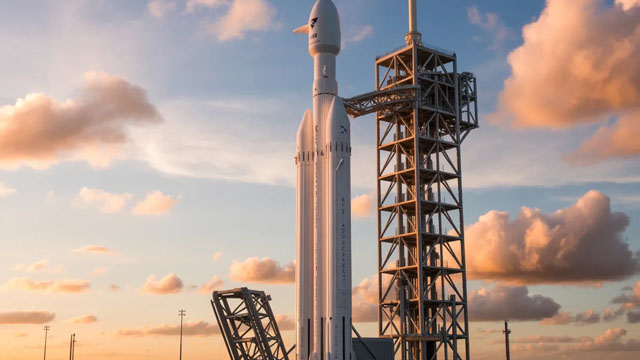
SpaceX's Q2 revenue rose 90% to $7.8B, while its net loss narrowed, supporting a reiterated buy rating despite share volatility and lock-up expirations. Strong Starlink subscriber growth, aggressive AI expansion and new cloud contracts underpin management's target of reaching a $100B annualized revenue run rate by December 2026. The outlook is highly growth-oriented, though execution against the ambitious AI-led target remains central.
Analysis
The investable question is not operating momentum but whether any secondary-market vehicle can absorb continued employee/investor liquidity without a clearing-price reset. Lock-up-related supply can cap near-term secondary valuations even as fundamentals improve; that creates a 1-3 month entry opportunity only if transaction volumes remain orderly and implied valuation discounts to the latest primary round widen meaningfully. The claimed AI/cloud optionality should receive little incremental underwriting credit until it produces disclosed contract duration, capex requirements, and contribution margins; otherwise the market risks assigning a public-cloud multiple to a capital-intensive connectivity business.
The more durable 6-18 month value driver is the interaction between recurring connectivity revenue and launch economics: greater internal launch cadence can lower marginal satellite replacement costs, but it also raises depreciation, spectrum/regulatory exposure, and capital needs before cash conversion is visible. Competitive pressure is likely to shift toward Amazon's Kuiper initiative and terrestrial broadband providers rather than other launch companies; a subsidized Kuiper rollout could force lower terminal pricing or higher customer-acquisition spend. A reversal in expected valuation support is most likely if subscriber net-adds decelerate, Starlink ARPU falls, launch/satellite capex rises faster than revenue, or regulatory constraints delay international monetization.
Consensus appears to treat resilient secondary pricing as confirmation of an imminent IPO-quality re-rating. That is premature: private-market marks can be stale, secondary shares have transfer restrictions and limited price discovery, and the prospective public float could create a materially different supply-demand balance. The correct posture is to separate conviction in the underlying asset from conviction in the available security; without verified liquidity, share class, NAV discount, and fee structure, SPCX is an alert rather than a directional recommendation.
AllMind Terminal
AI-powered research, real-time alerts, and portfolio analytics for institutional investors.
Request TrialMarket Sentiment
Overall Sentiment
strongly positive
Sentiment Score
0.72
Ticker Sentiment
Key Decisions for Investors
- Do not initiate a standalone SPCX position until the instrument's legal exposure to SpaceX, NAV methodology, liquidity terms, management fees, and secondary-market discount are independently verified; treat any quoted price as potentially non-comparable to the latest primary valuation.
- Set a 1-3 month buy watch for a verified SpaceX-linked vehicle only if its implied discount to independently sourced secondary transactions exceeds 20-25% and transaction volume remains stable; target a 15-20% normalization return, with exit if the discount widens beyond 35% or redemption/transfer terms tighten.
- Monitor AMZN as the cleaner public competitive hedge over the next 6-18 months: evidence of Kuiper deployment milestones, aggressive terminal subsidies, or enterprise connectivity wins would weaken assumptions of persistent Starlink pricing power. This is a thesis-risk monitor, not a recommended short.
- Require quarterly evidence of subscriber net additions, ARPU, capex intensity, and contracted backlog before assigning value to AI-related upside; a material gap between revenue growth and free-cash-flow conversion would falsify a premium-multiple thesis.
More News
- Anthropic IPO Seeks Investors, With Risks of Catastrophe, Rogue AI
- Indian investors rush to Nvidia, SpaceX, Apple as local trading apps roll out access to U.S. stocks
- The big takeaways and big questions from Anthropic’s S-1
- Anthropic’s S-1, by the numbers: A thriving business—with a $441 billion asterisk
- Anthropic’s S-1 embodies all the contradictions of the AI boom, and the questions about what happens next
- Santoli: We are nearing a now-or-never moment for the AI trade to rebound