
United Rentals Stock Drops 15% in a Month: Time to Buy the Dip?
Source: zacks.com
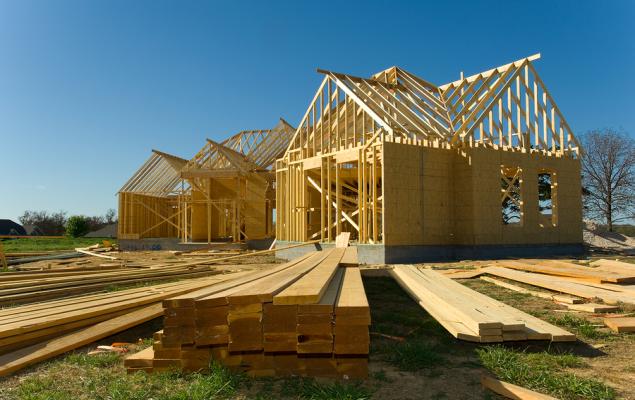
United Rentals shares fell 14.7% over the past month despite record Q2 revenue of $4.41 billion, 13.6% adjusted EBITDA growth to $2.06 billion, and Specialty rental revenue growth of 24.8%. Management raised its 2026 revenue, adjusted EBITDA and operating-cash-flow outlooks, while 2026 and 2027 EPS estimates increased to $48.70 and $56.04, implying growth of 15.8% and 15.1%. Offsetting the demand strength, adjusted EBITDA margin declined 40bps and Specialty gross margin fell 140bps amid unfavorable mix, fuel and delivery costs, and increased fleet capex guidance of $4.85-$5.25 billion. URI trades at 18.44x forward earnings, and its premium valuation makes execution on margins and capital spending critical despite strong cash flow and a planned $1.5 billion of 2026 buybacks.
Analysis
URI’s key debate is no longer demand durability but incremental return on fleet capital. A higher re-rent/ancillary mix can be strategically useful—protecting customer relationships when owned inventory is unavailable—but it converts a high-operating-leverage model into one with less earnings conversion. If fleet additions are deployed into project-specific utilization rather than broad-based rental rate growth, depreciation, logistics and working-capital drag could keep EBITDA margins below the level implied by current earnings revisions over the next 1-3 quarters.
The less obvious beneficiary is equipment OEMs—Caterpillar (CAT), Terex (TEX) and, selectively, Oshkosh (OSK)—which gain order visibility from rental-fleet replenishment without assuming URI’s utilization and residual-value risk. URI’s scale still makes it better positioned than Herc Holdings (HRI) and smaller regional rental operators to serve national data-center, power and LNG projects; however, its valuation premium leaves little tolerance for a slowdown in rate realization. The market may be underpricing the possibility that elevated project demand delays, rather than eliminates, fleet returns.
Near term, the setup is a wait-for-confirmation rather than an indiscriminate dip-buy. A quarterly margin stabilization alongside sustained fleet productivity would support a re-rating, while a second consecutive margin miss or a reduction in free-cash-flow conversion would expose the stock to both estimate cuts and multiple compression. Over 6-18 months, rental penetration and infrastructure/power buildout remain structurally favorable, but the relevant KPI is return on invested capital after fleet capex—not revenue growth alone.
AllMind Terminal
AI-powered research, real-time alerts, and portfolio analytics for institutional investors.
Request TrialMarket Sentiment
Overall Sentiment
mildly positive
Sentiment Score
0.28
Ticker Sentiment
Key Decisions for Investors
- Initiate URI only as a starter position after the next earnings release confirms stable or improving rental gross margin and no further upward revision to fleet-capex needs; target 12-18 month upside of 15-20% from earnings growth plus modest multiple recovery, with thesis invalidated by two consecutive quarters of declining fleet productivity or free cash flow below guidance.
- Express the infrastructure-equipment cycle with long CAT or TEX versus short URI in the next 1-3 months if URI’s margin pressure persists: OEMs retain fleet-order upside while avoiding rental utilization, re-rent mix and residual-value exposure. Close if URI demonstrates material margin recovery or OEM order books weaken.
- Do not short URI outright following the pullback absent evidence of project cancellations. Use a URI/HRI relative-value monitor: URI should outperform if national-account project activity and specialty utilization remain tight; a widening HRI discount without URI margin recovery would make the premium vulnerable.
- Set alerts for rental-rate realization, specialty gross margin, net leverage and 2026 free-cash-flow guidance at the next report. A cut to free-cash-flow outlook or leverage moving materially above 2.0x during fleet expansion would be the clearest signal to reduce URI exposure.
More News
- Grab aims for 'next level' in financial services with purchase of buy-now pay-later platform Atome
- Saudi coalition says Houthi drone destroyed near Mecca
- Iran war increasing inflation, straining US munitions: congressional report
- Attacks on Saudi oil expose Iraqi PM’s struggle to control armed factions
- China's AI leaders keep quiet despite U.S. 'publicity' on tech risks
- Exclusive-Malaysia talks to rival airlines as it monitors AirAsia’s financial health, sources say