
Middle East, Ukraine Attacks Show No Respite for Energy
Source: Bloomberg
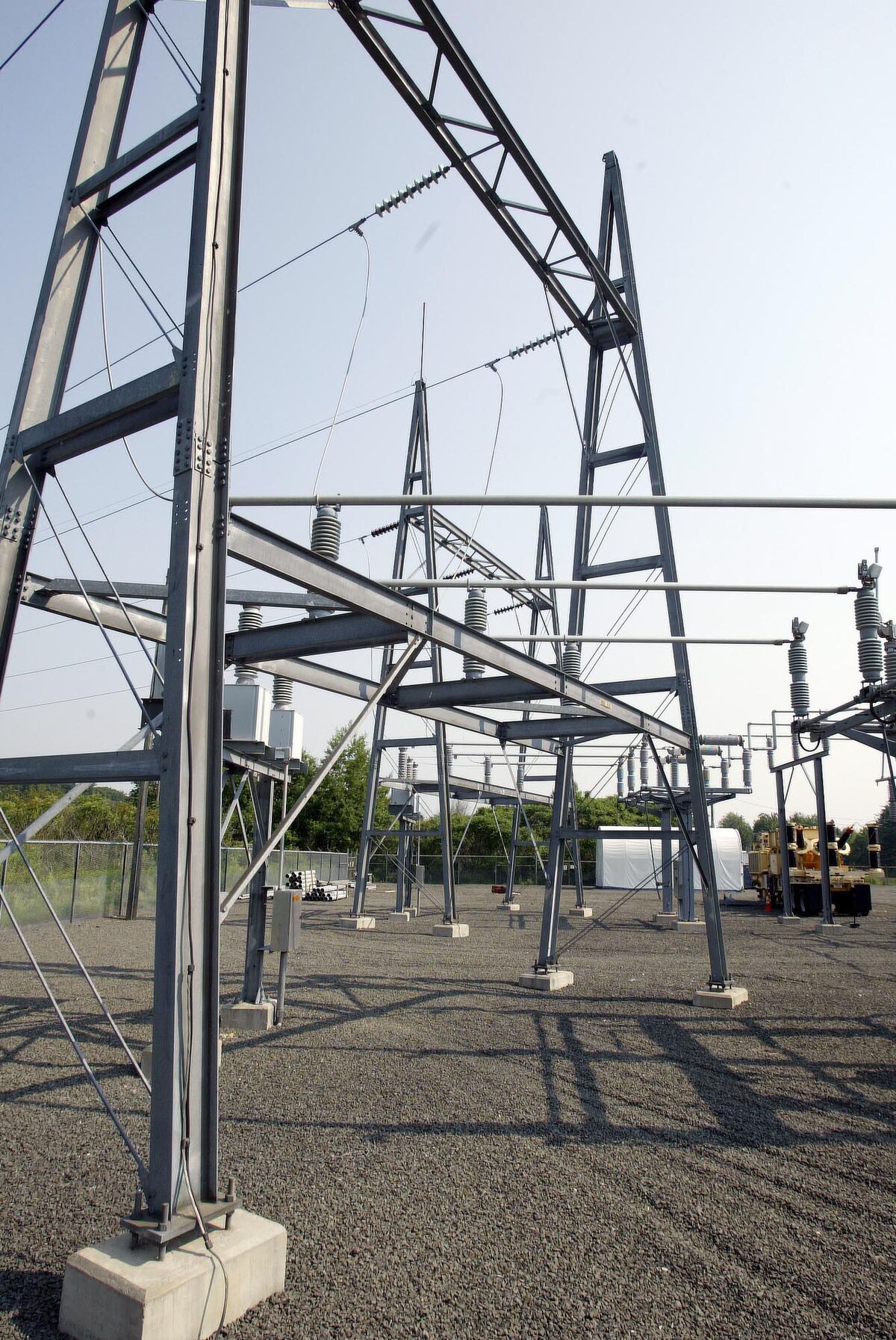
The briefing flags continued Middle East and Ukraine attacks as leaving energy markets without respite, and says upcoming US inflation data may add to economic concerns. It also notes that Americans are experiencing power-price pressure unevenly; no figures or specific market moves are provided.
Analysis
The investable signal is not “geopolitical risk” by itself; it is whether the attacks change deliverable supply, shipping, or insurance costs. Without evidence of disrupted flows, an energy-risk premium can decay quickly, while a firm US inflation print could still pressure duration and energy-sensitive consumers. That creates a near-term cross-asset asymmetry: crude may react to supply headlines, but rates require inflation persistence to reprice materially.
Over days, monitor Brent/WTI structure, freight and insurance indicators, and reported export or transit interruptions—not headlines alone. Over 1–3 months, sustained energy prices would make inflation disinflation harder and could weigh on rate-sensitive equities and discretionary spending. Over 6–18 months, persistent regional power-price disparities could shift costs among energy-intensive businesses, but the article provides no regional or company-level exposure to underwrite that trade.
Contrarian view: the headline bundles attacks in two theaters without establishing a common supply impact. The market may overprice crude risk if physical flows remain intact; conversely, a verified chokepoint or export disruption would make the current mild signal inadequate. No company-specific earnings conclusion is supportable from the available information.
AllMind Terminal
AI-powered research, real-time alerts, and portfolio analytics for institutional investors.
Request TrialMarket Sentiment
Overall Sentiment
mildly negative
Sentiment Score
-0.15
Key Decisions for Investors
- No standalone directional energy trade on this item. Avoid chasing crude solely on the headline; require confirmation from flows, shipping/insurance costs, or a sustained move in Brent time spreads.
- Set a conditional alert for Brent call spreads only if physical disruption is verified and front-month structure tightens; define risk to premium paid and reassess if flows normalize or the spread signal reverses.
- Treat the upcoming US inflation data as the nearer-term cross-asset catalyst: a hotter-than-expected reading alongside rising energy would argue for caution in long-duration equities; a benign print with stable flows weakens the inflation-risk thesis.
- Track regional electricity-price data and company disclosures before positioning in utilities or energy-intensive sectors; the article does not identify which US regions or businesses bear the cost increase.
More News
- Why is Samsung Electronics stock plunging today?
- SK Hynix plunges 8% amid Asia tech rout as Fed rate hike fears, AI funding worries mount
- Elon Musk says Trump is 'ultimately' responsible for any curbs on Ukraine's Starshield systems
- Hot September CPI Spurs Fed Rate Hike Fears
- Oil Gains as Middle East, Russia Hostilities Imperil Flows
- Why is Rocket Lab stock tumbling today?