
Next Generation FAN Unlocks Four Monetization Waves for Operators, Driving Broadband Growth in the AI Era
Source: PR Newswire
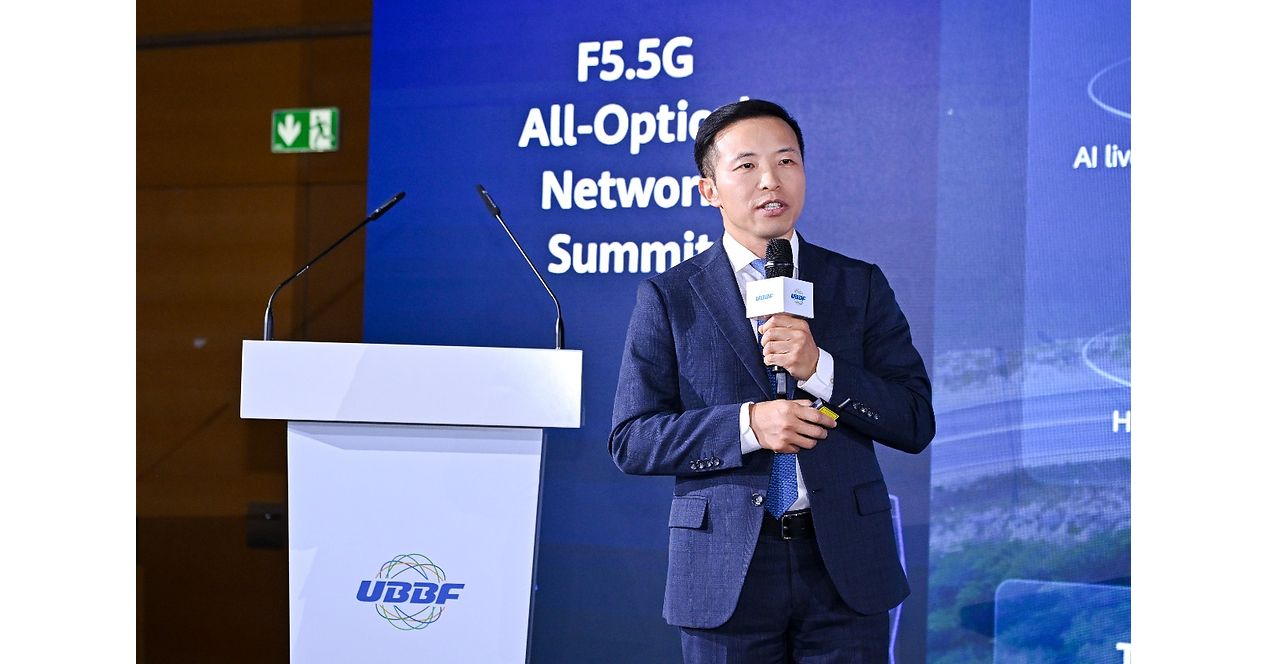
Huawei introduced its Next Generation FAN optical-access network solution and related products, targeting four operator monetization areas: coverage, bandwidth, experience, and services. The company says the 4-core PreConnection solution cuts investment by 20% and time to market by 70%, while its indoor terminal-box solution reduces deployment time by 75%; new Wi-Fi 7 and PON products also target higher speeds and AI-enabled services. The announcement highlights potential operator growth opportunities but provides no sales, adoption, or financial guidance.
Analysis
The commercial bottleneck is not optical capability but operator monetization: faster access and Wi-Fi do not automatically support higher ARPU unless customers pay for service tiers, security, or care applications. Huawei’s product claims are not evidence of operator orders, deployment economics, or recurring service revenue. The four-wave framing therefore looks more like a sales pitch than a near-term earnings catalyst.
Second-order effect: cheaper, upgrade-ready builds could expand fiber coverage while delaying subsequent equipment refreshes. That is positive for adoption but may flatten near-term capex per home and lengthen upgrade cycles for access vendors. Deployment-time savings could also reduce contractor revenue per connection unless volume rises enough to offset it. Nokia, Adtran, and Calix are relevant competitive read-throughs in access and premises equipment, but the impact depends on regional vendor eligibility and actual operator procurement.
Near term (days): limited fundamental signal absent named customer wins or guidance changes. Over 1–3 months, watch operator capex plans, PON order commentary, and paid take-up of premium Wi-Fi or security services. Over 6–18 months, the upside case requires recurring service revenue and lower cost-to-connect to coexist; otherwise this is primarily a hardware refresh cycle with price competition. Home sensing also introduces privacy, false-alert, and support/liability risks that could constrain adoption. The contrarian risk is that investors capitalize AI language before operators demonstrate willingness to pay. No direct trade is justified from this release alone; verify deployments and unit economics first.
AllMind Terminal
AI-powered research, real-time alerts, and portfolio analytics for institutional investors.
Request TrialMarket Sentiment
Overall Sentiment
mildly positive
Sentiment Score
0.35
Key Decisions for Investors
- Do not trade the announcement as an immediate earnings catalyst: it provides no operator orders, shipment targets, or independently verified service attach rates.
- Set a 1–3 month watch on Nokia, Adtran, and Calix commentary for PON/CPE order trends and pricing; treat broad access-equipment strength as confirmation only if operators also signal paid premium-service uptake.
- For telecom operators, require evidence that premium broadband, security, or care services lift ARPU or reduce churn before adding exposure on this thesis; otherwise faster networks may mainly raise or re-time capex.
- Falsify the monetization thesis if operator guidance shows weaker access capex or if premium Wi-Fi/security adoption fails to translate into service revenue; upgrade the thesis only on disclosed customer deployments and recurring-revenue metrics.
More News
- Explosions hit Iran’s Qeshm Island as US media report US strikes in Hormuz
- Marvell to buy Lumentum in $115 billion deal in AI data-center bet
- Oil price falls amid hope of a breakthrough to end Iran war
- Marvell, Lumentum tout historic $115B deal to create ‘category leader' in AI connectivity
- Palantir reports booming U.S. commercial revenue growth, topping government for first time
- Anthropic releases amended IPO prospectus with third-quarter financials