
FROG® EverClean™ Brings Mineral Sanitizing to Every Pool on the Service Route
Source: PR Newswire
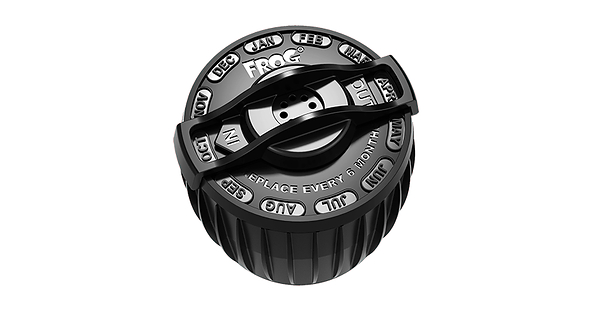
King Technology launched FROG EverClean, an EPA-registered mineral sanitizer for residential pools that works for up to six months and can reduce chlorine use by up to 50% while chlorine remains required. Paired with FROG Algae Blocker 4Pro, the products provide sanitizing and algae protection with two SKUs, which the company says can reduce service adjustments, inventory needs and chemical costs.
Analysis
This is a product-level catalyst, not evidence of a material earnings inflection: King Technology is not identified here as a publicly traded issuer, and the release provides no pricing, sales, adoption, or reorder data. The key economic question is who captures the promised efficiency. Pool-service operators may retain the benefit as labor capacity and fewer corrective visits; King captures value only if distributors and operators reorder cartridges at attractive economics. A two-product route kit could improve shelf and truck-space efficiency, but it may also displace existing algaecide or sanitizer purchases rather than expand total category spend.
The chlorine-reduction and salt-cell-life claims are company claims, not independently quantified savings. Chlorine remains required, limiting the risk of a wholesale chlorine-demand shock. Any pressure on pool-chemical suppliers or salt-system equipment would therefore be diffuse unless adoption scales and measurable consumption changes emerge. The principal near-term catalysts are distributor availability and service-pro adoption; the 6–18 month test is repeat purchasing and evidence of fewer service interventions. Reversal risks include weak cartridge economics, inconsistent water results, compatibility issues, or customer resistance to replacing familiar routines.
AllMind Terminal
AI-powered research, real-time alerts, and portfolio analytics for institutional investors.
Request TrialMarket Sentiment
Overall Sentiment
mildly positive
Sentiment Score
0.25
Key Decisions for Investors
- No direct single-name trade: the supplied data identifies no ticker, and a launch announcement alone does not establish revenue materiality.
- Treat pool-chemical and pool-equipment names as a watchlist, not a short. Revisit only if adoption data shows sustained substitution in chlorine or salt-cell replacement demand.
- Over the next 1–3 months, monitor distributor listings, service-company uptake, cartridge pricing, and reorder evidence; verify whether the claimed route-time savings translate into operator retention or higher service capacity.
- Falsify the adoption thesis if follow-up evidence shows limited repeat orders, material water-quality complaints, or that chlorine use and service-call frequency do not improve in practice.
More News
- South Korean carmaker Hyundai plans 'strategic' investment of $15.5 billion in India by 2032
- Applied Materials’ $5 billion AI lab aims to cut chip development time in half—and restore Silicon Valley’s edge
- Wells Fargo CFO on Earnings, Deals, Consumer Strength
- Bank of America hit with more than $1.2 billion in penalties over money-laundering violations
- Meta’s Muse models reach the AI frontier—and kill any hopes to ‘pace’ it
- We're upgrading our Goldman Sachs rating after a strong quarter bodes well for the future
From AllMind Research
- Anthropic IPO Preview: Valuation, Timing, and What to Watch
- Shein After the IPO: Venue, Valuation, and What Must Be Proved
- What AI Research Tools Should a Small Hedge Fund Buy First?
- Weekly Update: Sector Analysis, Improvements on Research Data, and Performance Enhancements
- Choosing an AI Copilot for Equity Research