
GAC Wins 8 Awards, Including 4 First Prizes, Showcasing Technological Innovation Strength
Source: PR Newswire
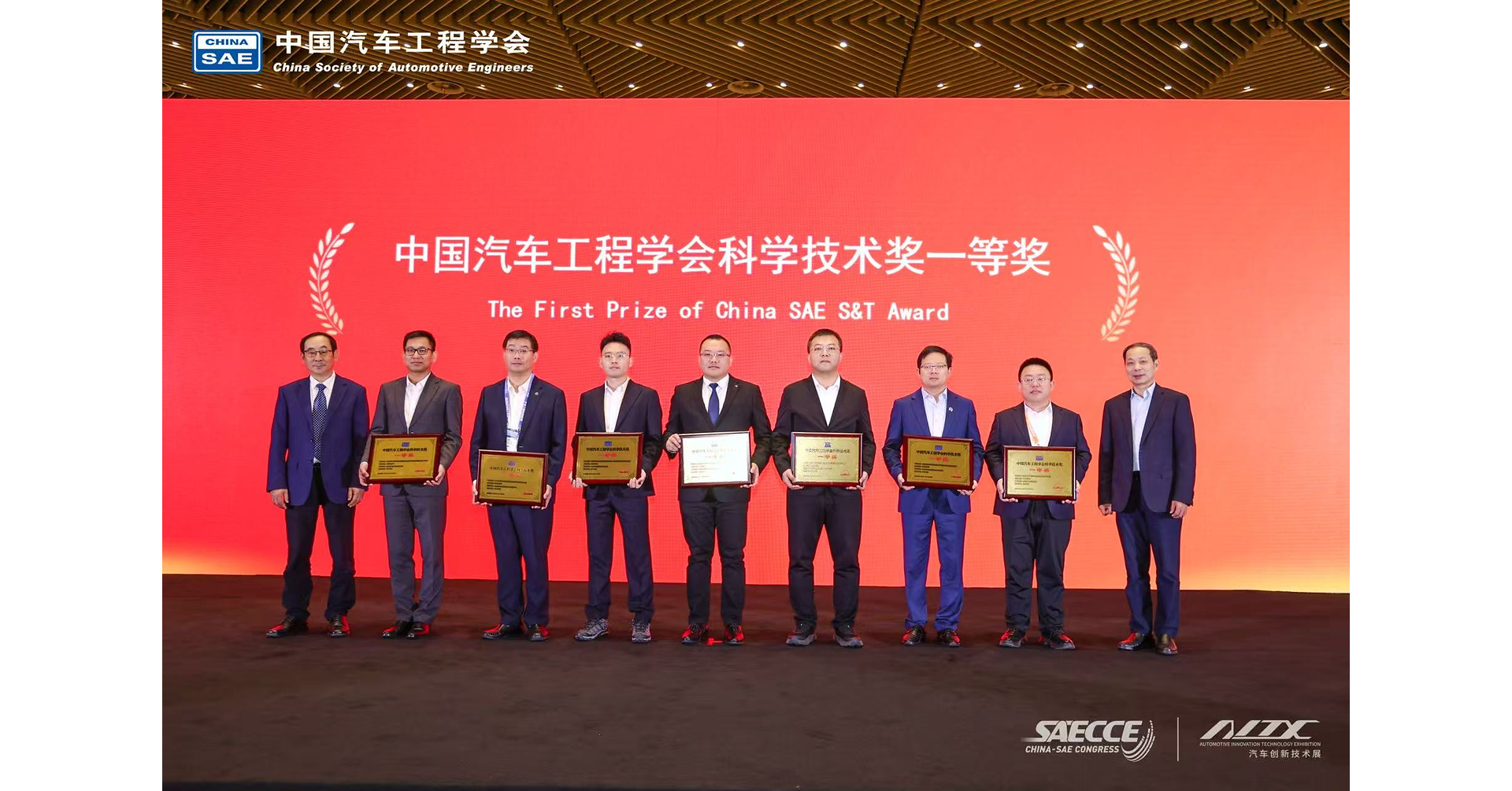
GAC received 8 awards at the 2026 China-SAE Science and Technology Award ceremony, including 4 first prizes and one second prize, for projects in automotive chips, electric drive, safety, intelligent-driving governance and body design. Its mass-produced electric motor achieves 99.03% peak efficiency and 17.29 kW/kg power density; GAC says it can reduce energy consumption by 4% and add 30–50 km of range at the same battery capacity. The technologies are already used across GAC models, with the safety system applied to 20 models totaling 1.446 million cumulative sales.
Analysis
Awards are weak evidence of earnings power by themselves. The investable question is whether GAC can turn engineering claims into lower unit costs, stronger pricing, or external licensing revenue—and whether it retains those gains rather than passing them through in China’s competitive EV market. The stated 4% energy-use reduction could support either more range or a smaller battery; the latter would pressure battery content per vehicle, while likely benefiting automakers able to capture the bill-of-materials saving. A claimed advantage in motor efficiency matters only if production yield, durability, and cost hold at scale. Carbon-fiber rotors and specialized amorphous ribbon may add supply and process constraints that offset efficiency gains.
Domestic-chip deployment could reduce exposure to export controls and supply interruptions, but “domestically designed” does not establish domestic fabrication, competitive cost, or independence from critical imported equipment. Safety-system adoption across GAC models may become a relative advantage if regulation tightens, while raising compliance burdens for smaller competitors; broad industry adoption would dilute GAC’s differentiation.
Near term, the announcement is not a standalone catalyst. Over 1–3 months, verify model-level deliveries, pricing, and whether other automakers sign commercial supply agreements. Over 6–18 months, the thesis depends on repeatable manufacturing economics and external sales. The key contrarian risk is that investors overvalue technical specifications before seeing cost and utilization data; conversely, a durable motor efficiency edge could be underappreciated if commercial adoption is independently confirmed.
AllMind Terminal
AI-powered research, real-time alerts, and portfolio analytics for institutional investors.
Request TrialMarket Sentiment
Overall Sentiment
moderately positive
Sentiment Score
0.45
Key Decisions for Investors
- No event-driven position from the award announcement alone. The supplied data has no ticker mapping, and the release provides no independently verified revenue, cost, or margin contribution.
- Set an alert for named third-party motor supply contracts and disclosed production volumes. Treat adoption claims without customer names, order size, and delivery timing as unverified; reconsider only if commercial scale and unit economics become observable.
- For any existing GAC exposure, monitor vehicle-level pricing and gross-margin commentary alongside deliveries over the next 1–3 months. Efficiency gains that are competed away through discounts would falsify the margin-improvement case even if the technology performs as claimed.
- Over 6–18 months, verify chip fabrication origin, sourcing concentration, motor yield and warranty performance, and whether smaller battery packs actually reduce vehicle costs. Reassess the thesis if production delays, quality issues, or absent external orders undermine commercialization.
More News
- Stocks started the week with promise but ended in despair. Our take on the big reversal
- Intel stock plunges 29%. Analysts urge caution on buying the dip
- How Ambani’s Jio became India’s second-largest company
- AWS grows 39% and Amazon will spend even more on AI in 2027
- The $13 billion startup racing to close America’s hypersonic gap
- OpenAI pares fundraising goal, now seeking up to $20 billion in latest round
From AllMind Research
- AllMind Platform Feature Updates - Fall 2026
- AI Credit Covenant Monitoring: From Clause to Review
- AI-Led Expert Interviews vs. Transcript Libraries
- Run Cost-Controlled Financial Research in AllMind Agent Studio
- AllMind Discusses Ontario's AI Economy with Minister Stephen Crawford and Supply Ontario CEO James Wallace