
Israeli Vote Carries Big Implications for US Relationship
Source: Bloomberg
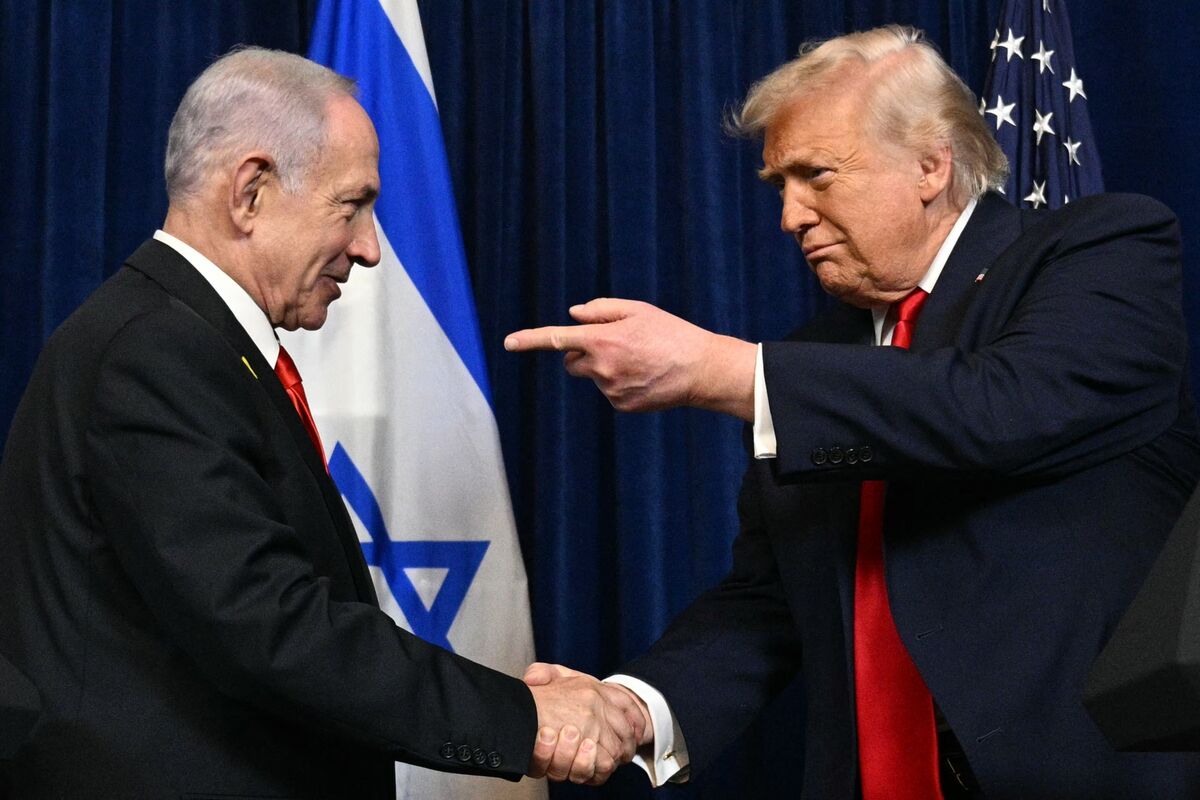
The article preview says Israel’s election concerning Benjamin Netanyahu could have major implications for the U.S.-Israel relationship, as Israel’s standing has fallen sharply. It provides no election result, polling figures, or specific policy changes.
Analysis
The investable signal is not the election headline but whether the result changes policy or the durability of US-Israel cooperation. A weaker relationship could, over months, raise uncertainty around security assistance, arms approvals and diplomatic coordination; that would matter more for Israeli risk premia and the shekel than for broad US defense earnings absent a material procurement shift. Any regional escalation could instead dominate the bilateral channel and lift oil-risk premia, but the article provides no evidence that escalation is the base case.
Near term, election-related volatility is likely an event-risk issue rather than a directional trade: outcome, coalition formation and subsequent US response are unspecified. Over 1–3 months, monitor coalition composition, concrete policy changes and US congressional or executive actions. Over 6–18 months, sustained deterioration could affect Israel’s financing and investment risk premium, while a stable security relationship would limit spillovers. The contrarian point is that a decline in diplomatic standing does not itself establish a change in military support or cash flows; markets may overreact to rhetoric, or underprice a durable policy break. No strong trade is justified without the election result, policy detail and current pricing.
AllMind Terminal
AI-powered research, real-time alerts, and portfolio analytics for institutional investors.
Request TrialMarket Sentiment
Overall Sentiment
neutral
Sentiment Score
0.00
Key Decisions for Investors
- No immediate directional position from this item alone. Treat Israeli assets and regional risk as event-sensitive; avoid extrapolating political rhetoric into an earnings or aid forecast.
- Set a 1–3 month watch on coalition formation and verifiable US actions on assistance, arms approvals or diplomatic coordination. Reassess Israeli sovereign risk, shekel exposure and regional-risk hedges only if those actions indicate a durable shift.
- For a conditional hedge, consider broad oil exposure only if the political outcome is followed by evidence of heightened regional supply risk; unwind if that risk fails to materialize. The article alone does not support an oil or defense-sector trade.
- Falsifiers: a coalition that preserves policy continuity, explicit US reaffirmation of existing cooperation, or no change in Israeli risk pricing after the vote. Key missing inputs are the result, coalition arithmetic, policy commitments, US response and market-implied event premium.
More News
- Iran’s calculations as US escalation looms: Trust, midterms, Hormuz
- Latest Oil Market News and Analysis for Oct. 28
- Oil prices rise after attack on Saudi Arabian refinery reignites supply concerns
- Oil rebounds as Houthi attacks on Saudi Arabia overshadow diplomatic efforts
- The Trump admin said energy costs were a small price to pay in Iran war, but U.S. consumers are paying nearly 8x more than anyone else in fuel costs
- Trump administration may let more Russian diesel onto market, energy secretary tells CNBC