
Latest Oil Market News and Analysis for Oct. 27
Source: Bloomberg
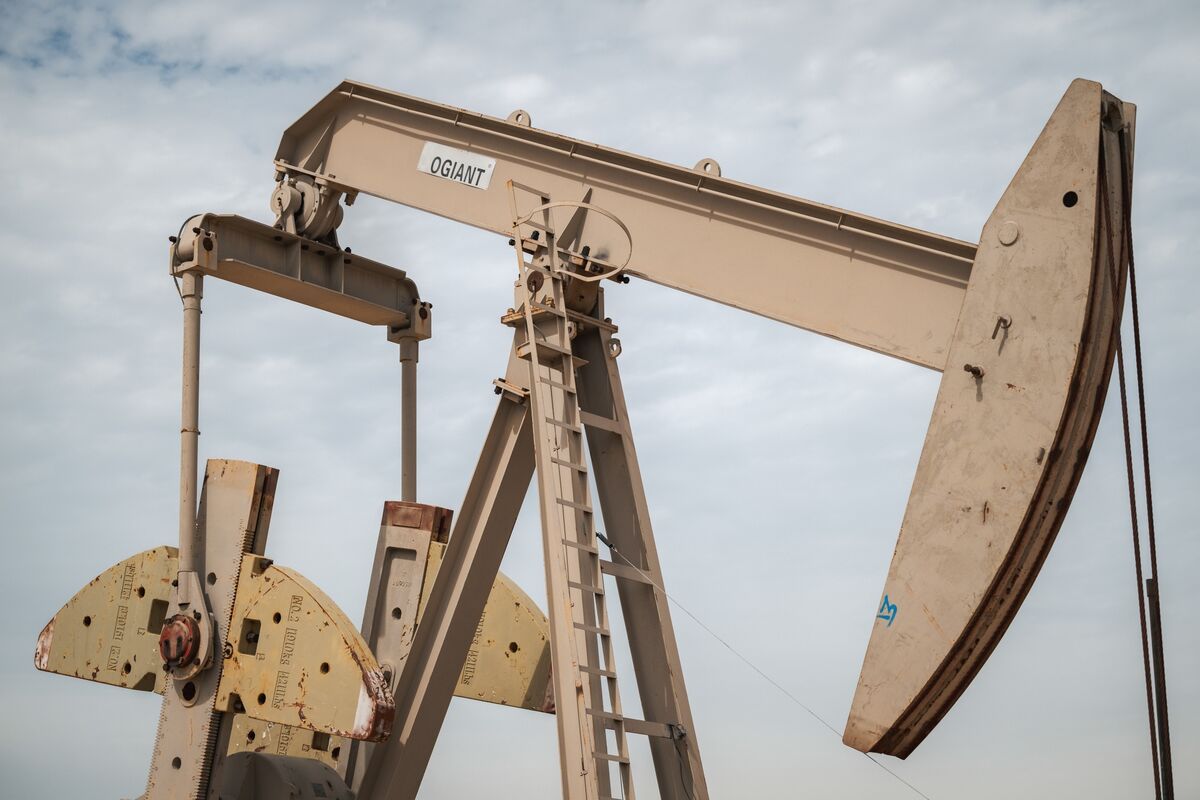
WTI fell for a second day, moving toward $101 a barrel after declining 1.5% in the prior session; Brent settled below $116. Diplomatic talks in Tehran involving senior officials from Saudi Arabia, Pakistan and Turkey continued, bolstering hopes of averting a broader escalation in the US-Iran war.
Analysis
The key market question is whether diplomacy removes only a headline risk premium or changes expected physical supply. If the former, front-month crude and implied volatility can fall faster than deferred contracts; a durable price decline needs evidence in shipping flows, insurance costs, and regional production—not meetings alone. A lower crude strip would ease input-cost pressure for airlines, transport, and petrochemicals, while reducing near-term revenue leverage for upstream producers. Refiners are not a simple beneficiary: cheaper feedstock helps only if product prices and crack spreads hold up. The second-order risk is that an easing crude price supports fuel demand and delays substitution, while renewed disruption would quickly restore the premium.
Over days, diplomacy can move headlines and prompt volatility. Over 1–3 months, monitor negotiations alongside physical-market indicators and inventory data. Over 6–18 months, sustained lower energy costs could improve margins for fuel-intensive businesses, but a geopolitical premium may persist if shipping or infrastructure remains exposed. The contrarian point is that a two-session pullback does not establish normalization; treating it as a durable supply recovery is premature. Conversely, if physical flows remain intact and talks continue, crude may still have room to shed event premium.
AllMind Terminal
AI-powered research, real-time alerts, and portfolio analytics for institutional investors.
Request TrialMarket Sentiment
Overall Sentiment
mildly negative
Sentiment Score
-0.15
Key Decisions for Investors
- Consider only a small, defined-risk bearish crude expression—such as a put spread on a liquid crude-linked instrument—after further diplomatic progress is accompanied by easing freight, insurance, or physical differentials. Avoid naked short exposure given the asymmetric disruption risk.
- Do not buy airlines or transport solely on the crude decline: fuel hedges, jet-fuel crack spreads, and demand sensitivity can blunt the benefit. Reassess if lower crude persists and company guidance or sector earnings revisions confirm margin relief.
- Watch for falsification: renewed attacks, impaired shipping or production, rising freight/insurance costs, or a sharp widening in physical crude premiums would argue that the selloff is only a temporary headline move. Persistent flow normalization and continued talks would strengthen the bearish crude case.
More News
- Federal Reserve is likely to hold interest rates steady in October. Here's what that means for consumers
- EQT becomes the nation’s leading natural gas ‘juggernaut’ with a $13B deal as data center, export demand surges
- Anthropic’s risk factors include the end of humanity, a feud with the Pentagon, and CEO Dario Amodei’s reputation
- China industrial profits post strongest growth in three months, rising 14.4%
- Gold Steadies Above $4,000 With Fed Rate Decision in Focus
- Anthropic plans to spend up to $567 billion on compute. Its IPO prospectus reveals plans to set up its own data centers