
HiTHIUM bringt eine integrierte Natrium-Ionen-Energiespeicherlösung der nächsten Generation auf den Markt, um die Industrialisierung der Natrium-Ionen-Technologie voranzutreiben
Source: PR Newswire
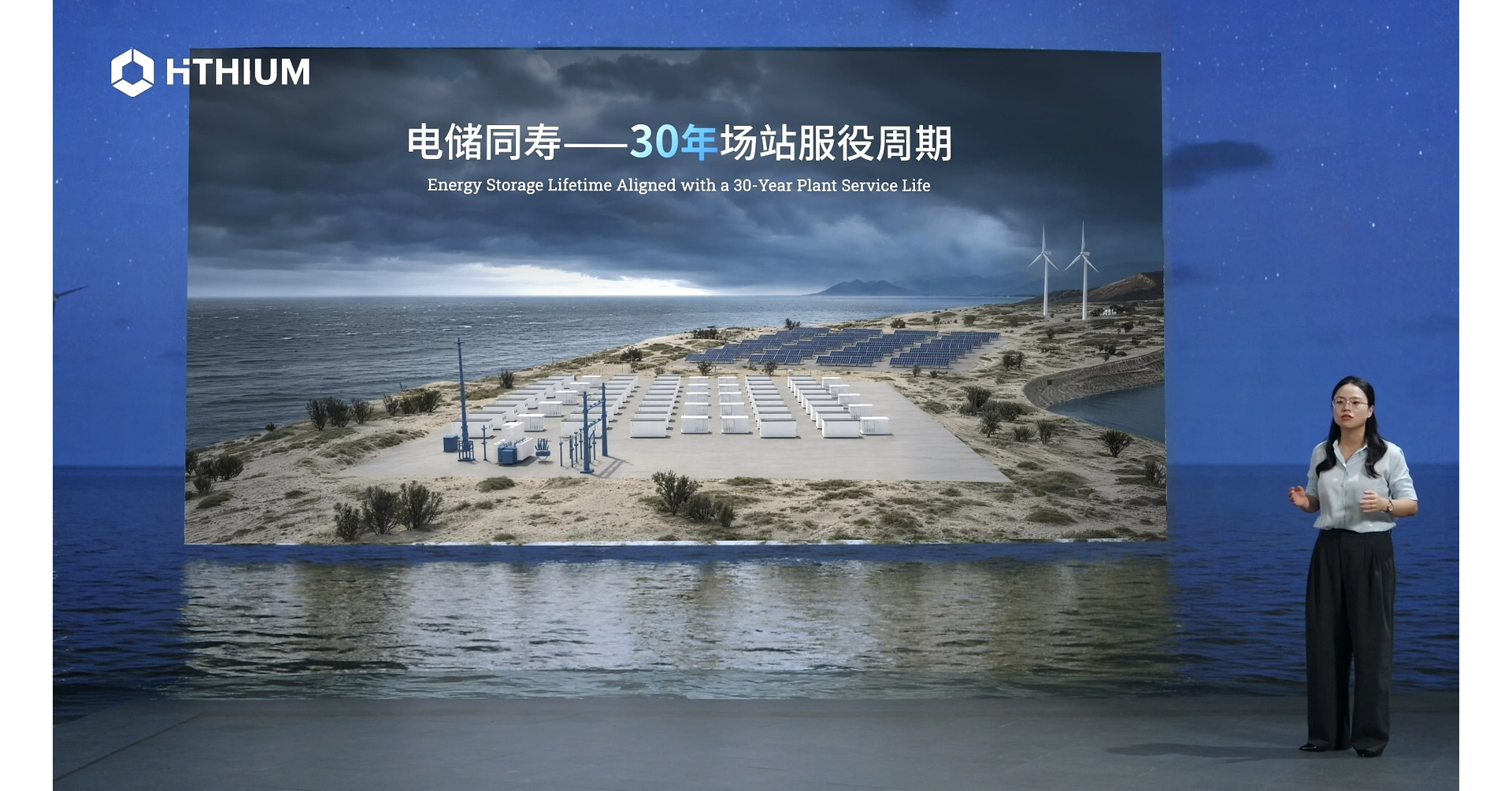
HiTHIUM launched its next-generation 4.0MWh sodium-ion energy-storage system, powered by its 785Ah sodium-ion cell, and plans to begin mass production and deliveries in 2027. The system is designed for a 30-year life, with the cell rated for 20,000 cycles and 2-8 hour storage durations; station footprint is claimed to be 30% lower and 24-hour system efficiency above 88%. HiTHIUM also targets a levelized cost of storage of RMB0.1/kWh through extreme-environment technology packages, positioning sodium-ion batteries as a lower-supply-risk alternative supported by abundant sodium resources.
Analysis
This is not yet a revenue event for NXTT. The relevant read-through is indirect: cheaper, longer-duration stationary storage can improve solar-plus-storage project economics and pull forward utility-scale solar procurement, expanding the addressable market for tracker systems over a 6-18 month horizon. NXTT benefits only if storage-driven interconnection and PPA activity converts into incremental MW; it does not capture battery-system value directly, and its near-term earnings sensitivity remains dominated by utility solar timing, steel costs, and project financing.
The more consequential competitive signal is toward lithium iron phosphate (LFP) stationary storage vendors and upstream lithium equities, but only if sodium-ion reaches materially lower installed $/kWh while maintaining bankable warranties and round-trip efficiency. The stated performance remains company-provided and lacks disclosed delivered cost, degradation curves, project backlog, or third-party financing acceptance—variables that determine adoption far more than cycle-life claims. Over the next 1-3 months, this is principally a validation/watch-item; 2027 production ramps could pressure LFP stationary-storage pricing, while any failure to secure bankability, manufacturing yields, or utility customer contracts would leave lithium demand assumptions unchanged.
Consensus may overread sodium-ion as an immediate lithium-displacement trade. Grid storage is constrained by permitting, transformers, EPC capacity, and project finance as much as cell chemistry; lower battery cost can instead enlarge total storage deployment and partially offset share loss for lithium. The decisive catalyst is independently disclosed contracted deployments with project-level LCOS and warranty terms, not a product-launch specification sheet.
AllMind Terminal
AI-powered research, real-time alerts, and portfolio analytics for institutional investors.
Request TrialMarket Sentiment
Overall Sentiment
strongly positive
Sentiment Score
0.58
Key Decisions for Investors
- No directional trade in NXTT on this release. Maintain a 6-12 month watch for storage-attached solar order growth or management commentary on co-located project mix; reassess only if backlog conversion improves while gross margin holds, indicating storage is expanding tracker demand rather than merely reshuffling project budgets.
- Avoid initiating a short in ALB or SQM solely on sodium-ion headlines. Set an alert for 2027 binding utility-scale sodium-ion offtake, independently financed projects, and disclosed installed-cost parity versus LFP; absent those data, lithium-demand displacement remains speculative and a broad lithium short has poor timing risk/reward.
- For a liquid thematic expression, monitor long NXTT versus short FLNC only after verified sodium-ion deployments demonstrate lower battery capex: NXTT could benefit from incremental solar MW, while FLNC faces potential system-price and technology-transition pressure. Falsify the pair if solar interconnection queues weaken or FLNC demonstrates vendor-neutral margin expansion and backlog growth.
- Track CATL and TSLA stationary-storage pricing/technology disclosures over the next 2-4 quarters. A broad LFP price response or sodium-ion product acceleration would validate competitive pressure; stable pricing and absent customer adoption would indicate the announcement is promotional rather than investable.
More News
- Oil extends losses as Saudi Arabia reportedly offers ship-to-ship crude transfers after pipeline hit
- 'Hostile act': Trump threatens EU with tariffs over Canada associate-membership proposal
- US military claims Strait of Hormuz remains open amid ongoing blockade
- Oil prices extend losses as fears of Middle East supply disruptions ease
- Congress passes sweeping US sanctions bill targeting Russia
- Hong Kong Leader Unveils Five-Year Plan
From AllMind Research
- Anthropic IPO Preview: Valuation, Timing, and What to Watch
- Shein After the IPO: Venue, Valuation, and What Must Be Proved
- What AI Research Tools Should a Small Hedge Fund Buy First?
- Weekly Update: New Reporting Features, UI Improvements, and Chat Optimizations
- Selecting an AI Research Platform for Institutional Investors