
Pudu Robotics lance la gamme PUDU GT, une série de trois modèles de robots tondeuses à usage professionnel destinés à l'entretien des espaces verts et des pelouses
Source: PR Newswire
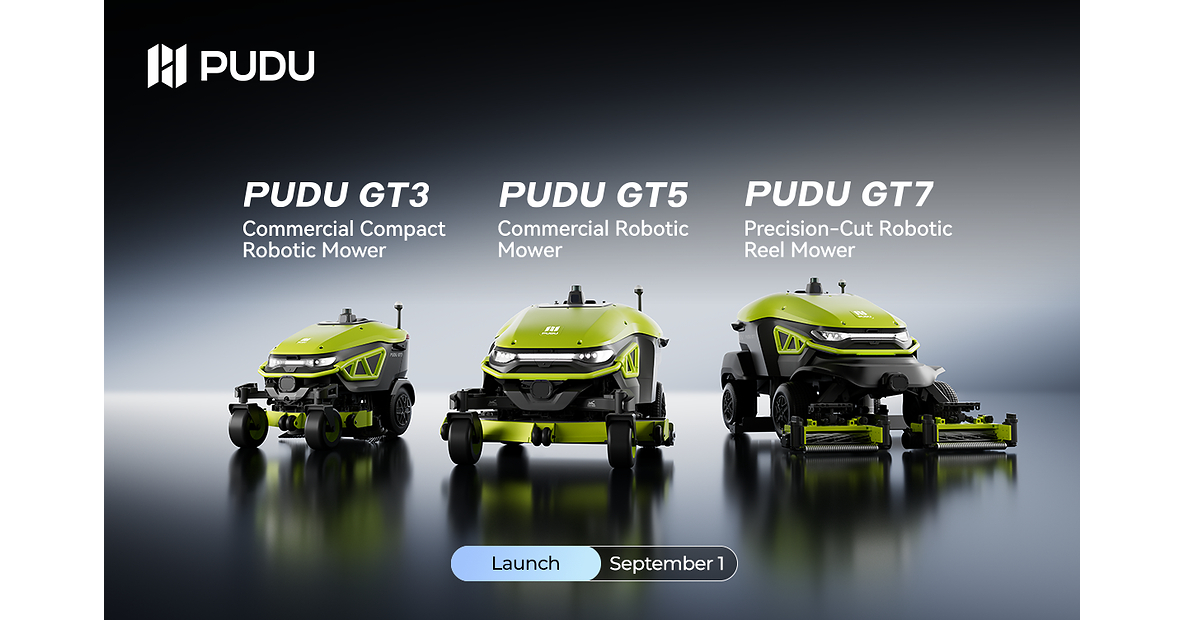
Pudu Robotics lance la gamme de robots tondeuses PUDU GT (GT3, GT5, GT7), ciblant l’entretien professionnel d’espaces verts, de grandes pelouses et de terrains de golf/sport. Le GT5 vise ~8 090 m²/heure avec jusqu’à 10 h d’autonomie (jusqu’à 65 000 m² par charge), tandis que le GT7 annonce une précision RTK jusqu’à ±2,5 cm et une navigation via RTK/LiDAR/vision. La gamme sera présentée mondialement au salon GaLaBau 2026 (15-18 septembre, Nürnberg) : l’annonce est surtout produit, sans indication de résultats financiers immédiats.
Analysis
This reads more like category signaling than an earnings inflection. The near-term beneficiary is the company’s sales funnel and channel credibility; the harder-to-see winners, if adoption sticks, are the boring picks-and-shovels around outdoor autonomy: rugged sensors, positioning, battery/service infrastructure, and fleet maintenance/financing. The hardware itself is likely to be a low-margin wedge; the economics should accrue to whoever owns software, uptime, and recurring service once deployments scale.
For incumbents in professional turf equipment, the threat is not an immediate collapse in demand but a slower mix shift away from labor-heavy ride-on equipment toward autonomous fleets on high-frequency routes. That pressure is most acute where noise, labor scarcity, and repeatable patterns matter most—golf, campuses, municipal parks—while highly variable terrain and weather still favor humans. The second-order effect is that distributors and service networks may become more valuable than blade-metal OEMs, because buyers will pay for uptime guarantees rather than just capex.
The key risk is that outdoor autonomy has a much harsher adoption curve than indoor service robots: mapping errors, wet-grass performance, vandalism/theft, liability, and service costs can erase theoretical labor savings. The next 1-3 month catalyst is not the launch itself but whether the company can publish pilot economics or named channel partners at the trade show; without that, this remains a branding event. Over 6-18 months, the thesis is falsified if the total cost of ownership does not clear mixed crews by at least ~25% or if support costs rise faster than labor avoided.
AllMind Terminal
AI-powered research, real-time alerts, and portfolio analytics for institutional investors.
Request TrialMarket Sentiment
Overall Sentiment
mildly positive
Sentiment Score
0.25
Key Decisions for Investors
- No immediate directional trade in the absence of disclosed pilots, pricing, or backlog data; treat this as a watch item into the GaLaBau window. Falsifier: no quantifiable customer economics or channel conversion by Q4.
- If the launch drives a sympathy move in Husqvarna (HUSQ B) without evidence of orders, fade strength with 3-6 month put spreads. Risk/reward is favorable because the event is narrative-driven, not yet cash-flow driven.
- Relative-value idea: long TTC / short HUSQ B over 6-12 months if you want exposure to the broader turf-equipment base while hedging the most direct autonomous-mower substitution risk. Stop if HUSQ B shows sustained backlog acceleration or TTC flags robotics-driven share loss.
More News
- Christine Lagarde: IMFC Statement
- Why did CoreWeave stock get crushed this week? Look to this corner of the debt market for clues
- Palantir patient data tech rejected by many NHS trusts in England
- Diageo's Toxic Spill Hits Pristine River in Scottish Whisky Country
- AI stock sell-off ramps up over debt-fueled data center spending fears: ‘Full-blown crisis of confidence'
- Tesla is taking $250,000 deposits for a Roadster with SpaceX thrusters. The FAA says it isn’t an aircraft