
IKEA installe des maisons miniatures dans trois villes pour montrer à quel point de petits changements peuvent faire une grande différence
Source: PR Newswire
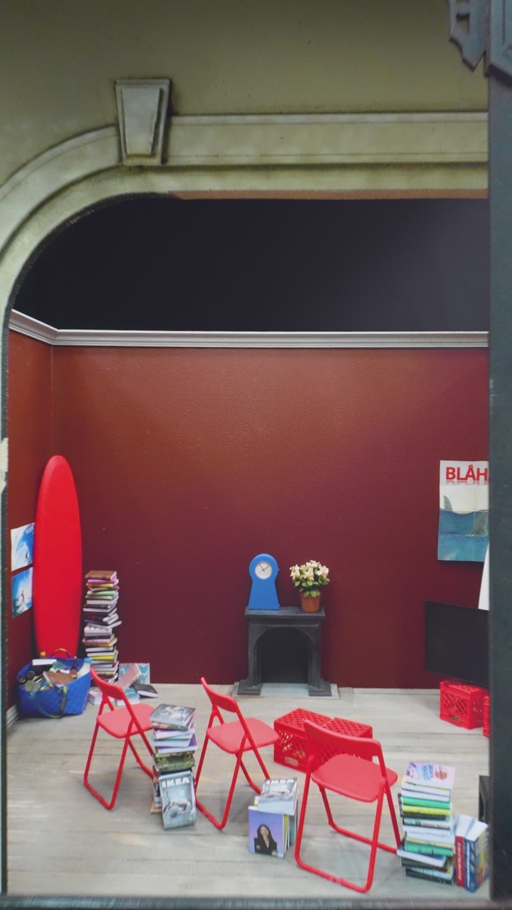
IKEA launched “IKEA Open House” via a public exhibit of handmade 1:12 miniature homes in Melbourne, Chengdu, and Beijing, paired with in-store open house events from late August through September. The campaign emphasizes affordable space-optimization ideas (e.g., BILLY and METOD-inspired room concepts) rather than any financial update, with messaging focused on accessibility for consumers. Overall, it’s a retail experience and product-marketing initiative with limited expected impact on markets.
Analysis
This reads more like brand defense than a demand inflection. The real signal is that management is leaning harder into affordability and space efficiency, which is consistent with a consumer still prioritizing utility over discretionary home refresh; that favors operators with low-ticket, repeatable baskets and hurts premium home-furnishing concepts that rely on bigger-ticket room makeovers. The second-order effect is promotional intensity: if traffic is being protected through value messaging, margin durability is more important than top-line growth, and peers may need to match pricing posture to avoid share loss.
For listed proxies, the cleanest read-through is not to IKEA itself but to the ecosystem around trade-down behavior. Mass merchants and home-improvement chains with storage, organization, and small-project exposure can absorb some of this spend, while higher-end furniture and decor names face a longer conversion cycle because consumers can satisfy the same functional need with cheaper alternatives. The immediate horizon is days-to-weeks sentiment; the actionable horizon is 1-3 months when retail commentary and category comps reveal whether this is just marketing or an actual basket shift.
Contrarian view: the market may underappreciate that "affordable" is a competitive moat here, not a weakness. If housing turnover stays muted for 6-18 months, the winner is the format that monetizes small, frequent purchases and modular add-ons, not the one selling aspirational rooms. What would falsify that thesis is evidence of sustained premium-home demand reacceleration or rising average ticket in home-furnishing comps; absent that, this is probably a share-grab story with limited sector beta.
AllMind Terminal
AI-powered research, real-time alerts, and portfolio analytics for institutional investors.
Request TrialMarket Sentiment
Overall Sentiment
neutral
Sentiment Score
0.05
Key Decisions for Investors
- No immediate event-driven trade: treat this as a watch item, not a catalyst, until 1Q/2Q retail comps show whether basket size or transaction frequency is improving.
- Relative value: long WMT / short RH over 1-3 months if consumer trade-down persists; thesis is that value messaging supports traffic while premium home demand stays elastic. Risk/reward ~2:1, invalidated if RH raises guidance or luxury housing/wealth effects rebound sharply.
- Long HD vs short RH on a 2-4 month horizon as a defensive home-spend pair; HD is better positioned for small-ticket organization and accessory spend, while RH is more exposed to delayed discretionary room refreshes.
- Set an alert on XRT and sector comps after the next retail-print window; if home-furnishing and specialty retail commentary shows markdown pressure, use that as confirmation to add to the short premium-home bias.
- If you want zero beta, stay flat: this announcement alone does not justify a direct position in consumer discretionary ETFs because the economic impact is too small and mostly psychological.
More News
- EU datacenter green scorecard finally escapes Brussels
- McDonald's is hosting an investor day as its U.S. business struggles. Here are 4 things to expect
- Can the US ban Iranian airlines worldwide – and what would it mean?
- Everyone can find a reason to dislike data center construction
- Nscale’s IPO will test Wall Street’s appetite for concentrated AI bets once again
- JPMorgan reiterates Meta stock Overweight on Muse momentum