
Global Bond Sell-Off Clouds India’s Rate Status Quo, Adds to RBI’s Challenges
Source: Bloomberg
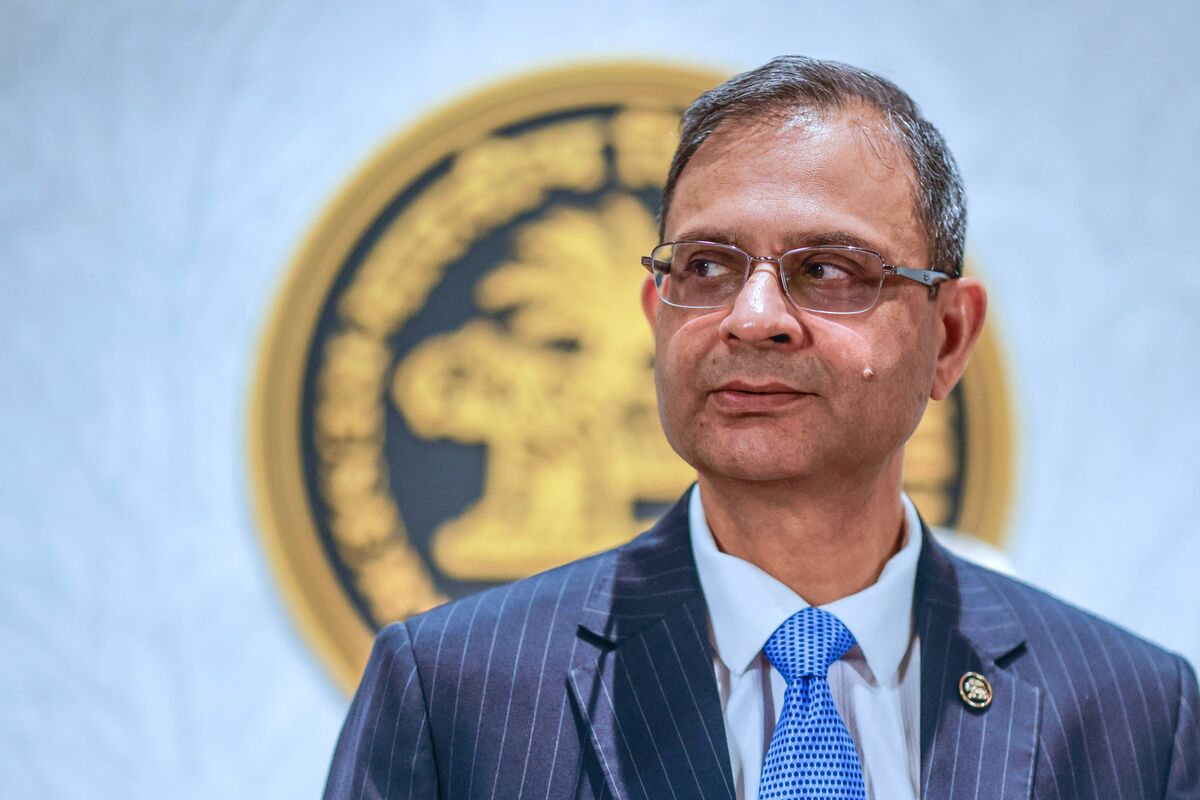
A global bond sell-off is pushing global yields higher, creating fresh pressure on Indian borrowers, investors, and businesses and complicating the RBI’s interest-rate outlook. The article frames this as a challenge for India’s current rate stance, suggesting the higher-yield environment could limit the scope for monetary ease. Overall, the news signals near-term caution for Indian credit and bond-market conditions as yields remain a headwind.
Analysis
The key market mechanism is not an RBI hike, but a passive tightening of financial conditions through the bond curve. If global term premia stay elevated, Indian banks, NBFCs, and corporates face a higher all-in funding cost even while the policy rate is unchanged, which is the worst mix for valuation because it compresses multiples without delivering a clean earnings upside. The first-order hit is usually treasury marks at banks; the second-order hit, over 1-2 quarters, is deposit competition and weaker loan growth as lenders defend spreads.
Relative winners are franchises with low beta deposit bases and limited wholesale dependence; relative losers are wholesale-funded NBFCs, housing finance, and real-estate-linked credit channels that reprice faster than they can pass through. High-duration equity sectors also lose because a 25-50 bp move in sovereign yields can matter more for P/E compression than for near-term EPS. The more important spillover is to sovereign borrowing and crowding-out: if G-Sec yields stay sticky, the government’s financing cost rises and private capex projects face a higher hurdle rate.
The consensus may be underestimating how long global yields can keep RBI effectively on the sidelines even with benign domestic inflation. The thesis breaks if US/DM yields reverse within weeks or if domestic liquidity is forcefully eased; it strengthens if Indian 10Y breaks higher and banks guide to deposit-cost pressure. For now this looks like a medium-term relative-value problem, not an immediate systemic event.
AllMind Terminal
AI-powered research, real-time alerts, and portfolio analytics for institutional investors.
Request TrialMarket Sentiment
Overall Sentiment
mildly negative
Sentiment Score
-0.25
Key Decisions for Investors
- Long HDFCBANK.NS / ICICIBANK.NS vs. NBFC-heavy beta: own the best deposit franchises for 1-3 months; they should outperform if funding costs rise because their NIMs are more resilient and their treasury books are less likely to force earnings cuts.
- Short BAJFINANCE.NS on rallies or buy a 2-3 month put spread: this is the cleanest expression of higher wholesale funding and slower unsecured credit growth; target 8-12% downside if bond yields keep backing up, with risk capped if RBI liquidity turns dovish.
- Short DLF.NS or trim India real-estate beta over 1-3 months: rate-sensitive multiples can compress before any earnings damage shows up, and the trade is more about valuation than fundamentals; cover if Indian bond yields retrace 20-30 bps.
- Buy INDA 3-month put spreads as a broad macro hedge if Indian 10Y moves materially higher: limited premium outlay, best payoff if the yield shock spills into foreign flows and INR-sensitive valuations.
- Set an alert on the Indian 10Y G-Sec yield and RBI liquidity operations: if yields rise another 25-40 bps without a policy response, increase underweights to duration-sensitive financials and housing-linked names; if yields stabilize for 2-3 weeks, this becomes mostly noise.
More News
- Christine Lagarde: IMFC Statement
- Why did CoreWeave stock get crushed this week? Look to this corner of the debt market for clues
- IMF urges support for poorer nations facing high inflation, war spillovers
- U.S. budget deficit swells to almost $2 trillion for fiscal 2026, up 12% in a single year
- AI stock sell-off ramps up over debt-fueled data center spending fears: ‘Full-blown crisis of confidence'
- Wall Street Anxiety Spreads as AI Rout Meets $110 Oil Shock