
Weekly Jobless Claims, Pre-Market Futures, Both Stay Low
Source: zacks.com
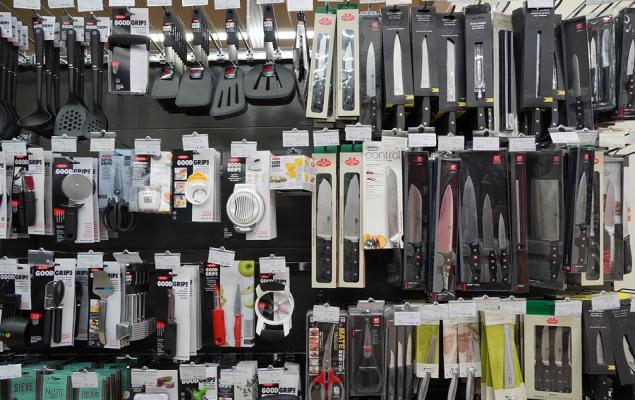
U.S. initial jobless claims fell 2,000 to 197,000, the fourth consecutive week below 200,000 and the lowest post-Covid level; continuing claims rose to 1.716 million. Renewed Houthi attacks on Saudi energy infrastructure lifted oil 4.7% to $92/bbl WTI and $104/bbl Brent, while pre-market futures fell. PepsiCo beat Q3 estimates modestly, while Helen of Troy’s fiscal Q2 EPS of $0.79 beat the $0.51 estimate by 54.9% and strong guidance sent shares up 20% pre-market.
Analysis
The macro mix is more stagflationary than the headline index reaction implies: low layoffs limit the case for near-term Fed easing, while an oil shock can lift headline inflation and input costs without generating much incremental demand. That is a poor setup for rate-sensitive small caps and long-duration growth if yields turn higher again; the risk is asymmetric because recent gains, particularly in technology, leave room for de-risking. But one geopolitical-driven oil jump is not yet a durable inflation regime—de-escalation or a quick retreat in crude would unwind that pressure.
For consumer staples, the earnings read-through is selective, not a blanket green light. PEP’s modest share response despite a beat suggests investors still need evidence that pricing, volume, and cost control can sustain results; higher fuel and packaging costs could pressure margins if pass-through lags. HELE’s sharp rerating on guidance, alongside slightly missed revenue expectations, raises the bar for sell-through and execution. A guide-driven gap is vulnerable if subsequent demand data fail to confirm it.
Over the next 1–3 months, watch crude persistence, inflation expectations, and long yields alongside company guidance. Over 6–18 months, sustained energy costs could favor producers over fuel-sensitive consumer and transport businesses, but supply disruption and demand destruction make that exposure volatile. The contrarian point: low claims are not proof of accelerating growth; in a low-hire/low-fire economy, stable employment can coexist with weak hiring and cautious spending.
AllMind Terminal
AI-powered research, real-time alerts, and portfolio analytics for institutional investors.
Request TrialMarket Sentiment
Overall Sentiment
mixed
Sentiment Score
0.00
Ticker Sentiment
Key Decisions for Investors
- Avoid treating the pre-market weakness as a standalone risk-off signal. Keep broad equity exposure measured unless crude remains elevated and Treasury yields resume climbing; that combination would strengthen the case to reduce small-cap and long-duration exposure.
- Conditional pair trade: if WTI holds near or above $92/bbl and energy equities confirm, consider long XLE versus short XLY as a relative hedge against persistent fuel-cost pressure. Exit or stand down if crude quickly reverses or the security situation de-escalates; the geopolitical premium can unwind abruptly.
- Do not chase HELE after the gap higher. Reassess after the next demand and guidance update; fading the move is only a watch item until sell-through weakness or a guide reduction confirms that the revenue shortfall matters. A sustained pullback from the post-earnings level without such confirmation would falsify the fade thesis.
- For PEP, require evidence that volume and margins hold up against higher input and logistics costs before adding. Track organic volume, pricing, and margin commentary; weaker volume or a downward guide revision would challenge the earnings-beat interpretation.
More News
- Goldman Sachs lowers Pepsico stock price target on growth outlook
- PepsiCo Q3: The Stock Is Cheap, The Business Is Improving
- PepsiCo Just Reported Earnings. Here's What Investors Need to Know.
- The world needs Ukraine’s grain. Its farmers are running out of reasons to plant
- Trump vows quick end to Iran war as fighting in Yemen intensifies
- Trump's diesel agreement with Putin accused of contradicting Russia sanctions law