
Capital Vacations Expands Smoky Mountains Portfolio With Sunrise Ridge Resort Acquisition
Source: PR Newswire
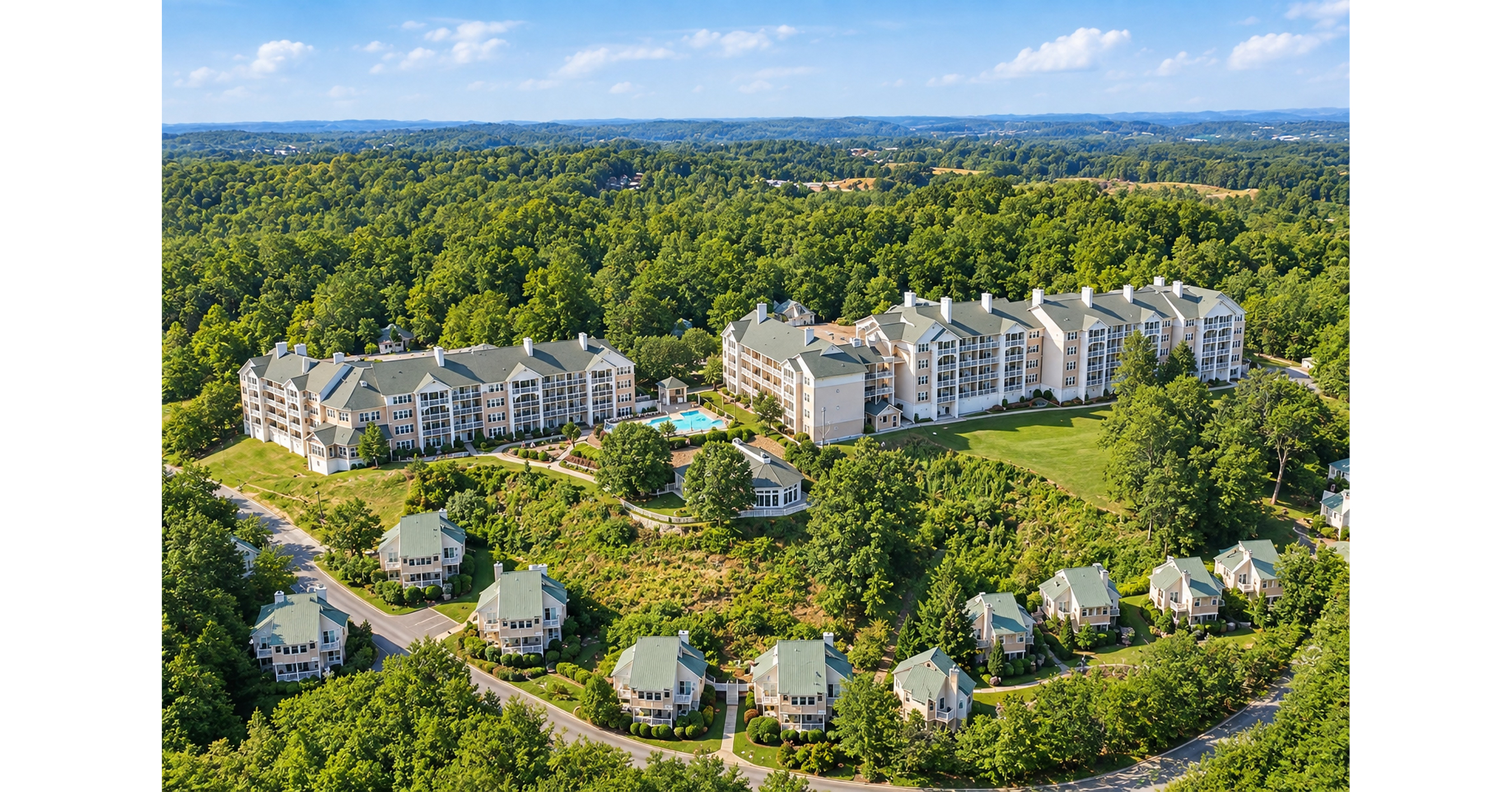
Capital Vacations acquired certain assets of Sunrise Ridge Resort in Pigeon Forge, Tennessee, adding 132 units and its third Smoky Mountains resort. The company will serve as exclusive resort, rental, and vacation-ownership sales manager, establish a sales preview center, and invest in unit interiors, landscaping, and broader property upgrades. The acquisition expands Capital Vacations' presence in a region attracting more than 11.5 million annual visitors.
Analysis
This is a private-company, subscale asset transaction with no directly investable equity read-through; the most likely market implication is limited. The relevant mechanism is not room-count growth but the ability to monetize captive resort traffic through sales tours, rental-management fees, and club-member cross-selling. That model can create high incremental contribution margins if occupancy and tour conversion hold, but it also requires upfront renovation and sales-center spending that can depress near-term property-level cash returns.
The broader second-order signal is modestly constructive for destination leisure demand in drive-to mountain markets, but it is too small to change the outlook for public lodging owners. Nearby branded hotel operators and vacation-rental platforms could face marginal inventory competition, yet 132 units are immaterial relative to the regional supply base. More relevant is whether repeated independent-resort consolidations indicate that fragmented timeshare associations are seeking professional operators amid rising insurance, maintenance, and labor costs—a potential roll-up opportunity, but one without a listed pure-play beneficiary.
For the next 1-3 months, there is no clean public-equity catalyst. Over 6-18 months, monitor whether Smoky Mountains visitation translates into pricing power rather than merely higher occupancy: rising resort fees, rental ADR, and tour conversion would validate the model; higher owner delinquencies, HOA assessments, or renovation overruns would undermine it. Company claims around strategic footprint and revenue enhancement are not independently tied to purchase price, financing, or expected EBITDA, leaving return-on-invested-capital unassessable.
AllMind Terminal
AI-powered research, real-time alerts, and portfolio analytics for institutional investors.
Request TrialMarket Sentiment
Overall Sentiment
mildly positive
Sentiment Score
0.38
Key Decisions for Investors
- No standalone trade: the transaction is private, financially undisclosed, and too small to establish a directional view on public travel equities.
- Add a monitoring alert for public lodging/alternative-accommodation proxies—VAC, TNL, H, ABNB—and regional leisure demand indicators through year-end; act only if management commentary identifies sustained Smoky Mountains ADR or occupancy acceleration rather than isolated property expansion.
- For any future roll-up thesis, require disclosed purchase consideration, renovation capex, financing terms, and expected stabilized EBITDA. A sub-3-year cash payback or clearly accretive fee revenue would be the threshold for reassessing sector implications.
- Watch regional insurance and HOA-cost inflation over the next 6-12 months. If these costs force independent resorts to outsource management at discounted economics, consolidators gain sourcing leverage; if they impair owner affordability and delinquencies, the acquired inventory becomes a liability rather than a cross-sell asset.
More News
- Broadcom to lend Anthropic up to $42 billion to lease its chips, filing says
- $8.2B acquisition validates AI-picked chip stock: +20% since June
- Nike Warns Sales Slump Will Worsen This Fiscal Year
- Nuveen CEO on Schroders Deal, Plans for Combined Company
- New Mexico wants Meta to pay up to $40 billion in penalties after data privacy trial
- Paramount promised 30 movies a year to win Warner Bros. Losing Miramax if it fails may not scare it