
A new Stowers Institute brain atlas shows neurons don't inherit their identity -- they build it in their first hours of life
Source: PR Newswire
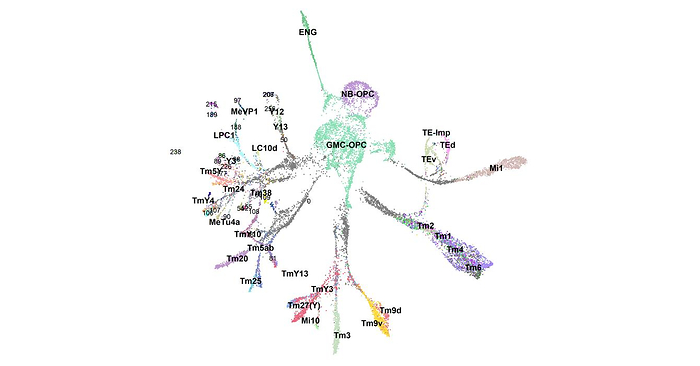
Stowers Institute researchers mapped 232,251 fruit-fly visual-system cells across four developmental stages, simultaneously profiling gene expression and the DNA regulatory switches controlling it. The study found neuronal identity is actively established shortly after birth through cell-specific combinations of enhancers and transcription factors rather than inherited via a single master regulator. The foundational research may eventually improve efforts to generate or replace specific neurons for diseases including Parkinson's, ALS and glaucoma, but it does not represent a near-term therapeutic or commercial catalyst.
Analysis
There is no direct equity read-through to LAKE; the ticker appears unrelated to developmental neuroscience and should be treated as a data-mapping error rather than a catalyst. The work is preclinical, model-organism research with no disclosed therapeutic asset, licensing arrangement, or commercial platform, so it should not alter near-term revenue or valuation expectations for public neurodegeneration companies.
The investable implication is longer-duration: cell-replacement programs will likely require cell-type-specific differentiation and functional-validation workflows rather than a single transcription-factor intervention. That raises development complexity, CMC burden, and time-to-clinic for companies pursuing regenerative neurology, favoring better-capitalized platform owners over single-asset cell-therapy stories over a 6-18 month horizon. It is directionally supportive of multiomic-analysis and sequencing vendors such as ILMN, TXG, PACB, and 10x Genomics (TXG), but the incremental consumables demand from one academic atlas is immaterial.
Contrary to the optimistic framing, greater recognition of cell-state context may be a negative near-term signal for simplistic "programmable neuron" claims: each target cell type may need bespoke enhancer, timing, and delivery validation. The thesis becomes investable only if human-cell data translate into named programs, sponsored collaborations, IND-enabling milestones, or a measurable increase in single-cell/multiome order growth; absent these, this is scientific validation rather than a trading event.
AllMind Terminal
AI-powered research, real-time alerts, and portfolio analytics for institutional investors.
Request TrialMarket Sentiment
Overall Sentiment
moderately positive
Sentiment Score
0.42
Key Decisions for Investors
- No position in LAKE on this news; remove it from any event-driven watchlist unless an independently verified corporate linkage emerges.
- Maintain TXG, ILMN, and PACB on a 6-18 month life-sciences-tools watchlist rather than initiating on the release. Upgrade only if quarterly consumables growth, academic funding trends, or biopharma multiomics bookings accelerate; the key risk is that large atlas projects remain grant-funded and low-volume.
- Avoid using this development to underwrite long positions in early-stage neural cell-therapy or gene-regulation companies. Require human neuronal differentiation reproducibility, a defined delivery modality, and IND timing before assigning value to the platform; failure to demonstrate those milestones would support multiple compression.
- For existing regenerative-medicine exposure, favor diversified, cash-rich platform companies over binary single-program names through the next 12 months, as the likely effect of this biology is to lengthen optimization cycles and increase preclinical spend before clinical translation.
More News
- China's AI leaders keep quiet despite U.S. 'publicity' on tech risks
- Karin Rådström is steering Daimler Truck in a new direction as the world’s biggest truckmaker faces a growing challenge from China
- AWS says it can't restore service to Bahrain, UAE facilities 6 months after Iran strikes
- Factbox-How AI leaders and world governments react to ’AI doom’ fears
- Chinese investors rush into US stocks as Beijing opens wider path overseas
- ‘The end of the keyboard is near’: Christian Klein predicts voice translation will be the next workplace advantage