
Dent Repair Expert Jason Phelps Discusses When Vehicle Dents Can Be Fixed With Paintless Dent Repair in HelloNation
Source: PR Newswire
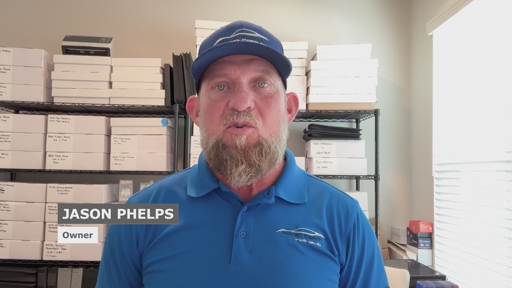
HelloNation published an explanatory article featuring Magic Dent's Jason Phelps on the suitability of paintless dent repair for door dings, hail damage, creases, and broad shallow dents. Repairability depends primarily on dent depth and shape, paint condition, panel structure, and access behind the panel; no financial results, market data, or material corporate developments were disclosed.
Analysis
This is promotional local-service content with no independently verifiable change in vehicle repair volumes, insurer behavior, parts demand, or public-company economics. Paintless dent repair is economically relevant only at scale: wider adoption can shift repair spend from replacement panels, paint, and refinishing labor toward specialized labor, modestly reducing collision-severity costs for insurers and lowering aftermarket paint/material demand. The article provides no evidence of a demand inflection, pricing change, network expansion, or technology adoption that would alter those exposures.
The only plausible second-order channel is hail-related claims, where repair capacity constraints can affect loss-adjustment timing and repair-cost severity. Public auto insurers such as PGR, ALL, and KMX-related reconditioning economics would require claims-frequency data, catastrophe exposure, and repair-network pricing before forming a view; none is supplied. For LKQ and paint/refinish suppliers such as AXTA, any substitution effect is likely immaterial relative to collision volumes, vehicle parc trends, and insurer repair-versus-total-loss decisions.
Near term, no market catalyst exists and the news should not move listed equities. Over 6-18 months, a structural increase in PDR penetration could marginally favor insurers through lower average repair severity while pressuring conventional refinishing mix, but labor scarcity may instead transfer economics to technicians without lowering end-market invoices. The thesis would become actionable only if national insurers disclose lower physical-damage severity tied to repair-method mix, or if major collision-network operators report measurable PDR capacity and pricing changes.
AllMind Terminal
AI-powered research, real-time alerts, and portfolio analytics for institutional investors.
Request TrialMarket Sentiment
Overall Sentiment
neutral
Sentiment Score
0.00
Key Decisions for Investors
- No trade: do not position in PGR, ALL, LKQ, AXTA, or collision-repair proxies on this item; the stated impact and evidentiary quality are insufficient.
- Create a watch item for post-hail seasons: compare PGR and ALL quarterly physical-damage severity and catastrophe-loss development against repair-cost inflation. A sustained 2%+ severity improvement attributable to repair mix would support a modest long insurer / short AXTA relative-value screen.
- For LKQ and AXTA, monitor North American collision-repair sales, insurer total-loss rates, and refinish-volume commentary over the next 2-3 earnings cycles. Initiate no short absent evidence that PDR substitution is reducing parts or coatings demand rather than merely reallocating labor.
More News
- Paramount agrees invest $1.5 billion in domestic movies and create a board for editorial independence at CNN, CBS as part of deal for Warner Bros.
- Here's who we know is going to the Trump-Xi dinner so far
- How a Bangladeshi garment-maker is fighting the Middle East energy crunch
- US Diesel Tops Record as Global Crunch Feeds Inflation
- Meta's Muse personal AI agent tops ChatGPT, Grok and Claude for post-launch downloads
- Paramount clears the last major hurdle to buying Warner Bros. Discovery by settling the lawsuit brought by 12 states