
Wall Street Braces for Scrutiny From Elizabeth Warren and Maxine Waters
Source: Bloomberg
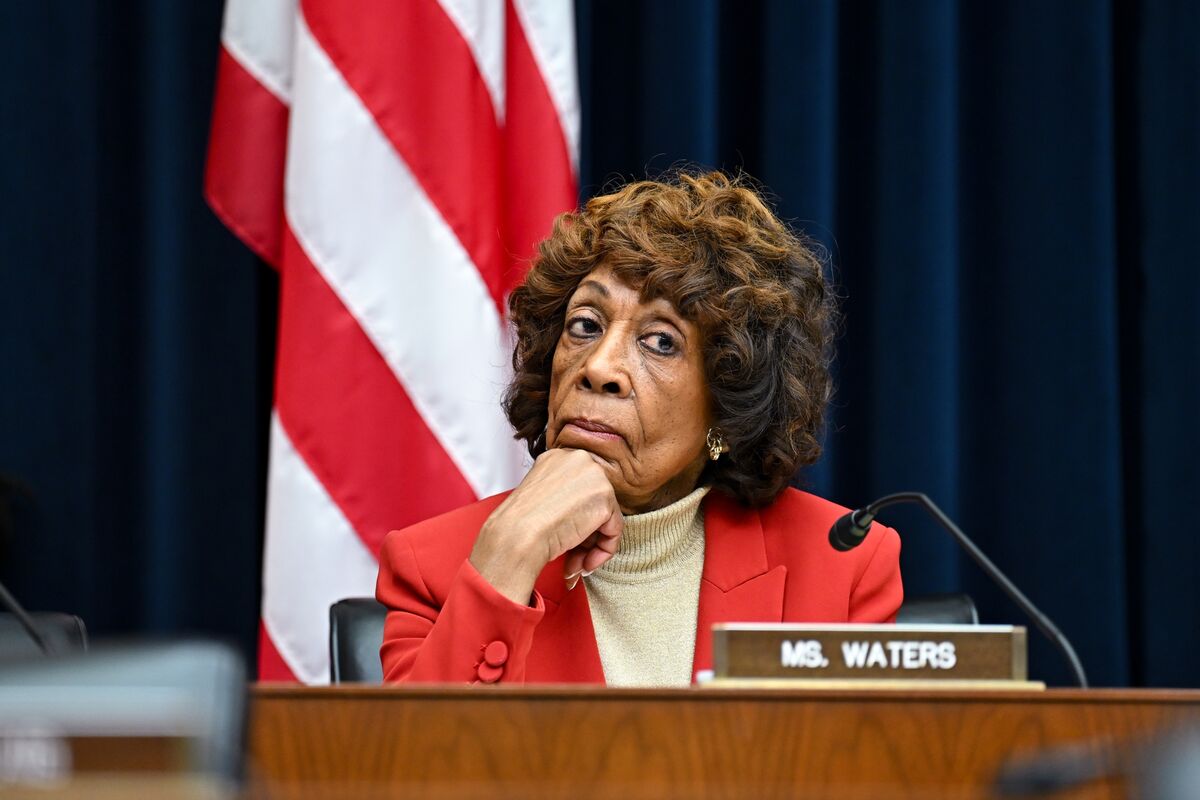
Elizabeth Warren is poised to lead the Senate Banking Committee, where she has called for more stress testing and opposed banking deregulation; the article also notes potential House committee leadership changes and debates over private credit, crypto security, capital rules and AI. Separately, Paraguayan authorities seized Ueno Bank after investigators found solvency shortfalls and concerns about lending to companies tied to its controlling shareholder; thousands of customers were locked out of accounts, and arrest warrants were issued.
Analysis
The investable risk is less a sudden change in bank rules than a wider distribution of outcomes for capital returns. Hearings and scrutiny can raise political and reputational costs quickly, but a Senate committee chair cannot by itself impose capital requirements; the Fed, OCC and FDIC rulemaking path remains the key transmission channel. For JPM, tighter stress-test outcomes would matter through the stress capital buffer and the resulting capacity for buybacks and dividends, not simply through headline political rhetoric. The second-order effect could be relative: if large-bank capital constraints rise while private-credit oversight tightens, some credit may migrate back toward regulated lenders, but the benefit is conditional on banks having balance-sheet capacity and acceptable risk-adjusted returns.
Near term, expect episodic headline volatility rather than a reliable earnings signal. Over 1–3 months, watch committee leadership, proposed oversight hearings and any concrete changes to stress-test methodology; over 6–18 months, the decisive variables are final capital rules and their effect on JPM’s capital-return plans. The article establishes no direct connection between JPM and Ueno Bank, so the Paraguayan failure is not evidence of JPM credit or funding exposure. It is a reminder that concentrated related-party lending and weak controls can turn digital-bank confidence into a liquidity event; broader contagion would require evidence of comparable exposures or funding links.
Contrarian point: political scrutiny may sound uniformly negative for banks, but gridlock can delay legislation, while scrutiny alone does not translate into higher capital charges. There is no basis here for a directional JPM position without a measurable regulatory or capital-return catalyst.
AllMind Terminal
AI-powered research, real-time alerts, and portfolio analytics for institutional investors.
Request TrialMarket Sentiment
Overall Sentiment
mildly negative
Sentiment Score
-0.20
Key Decisions for Investors
- No immediate directional trade in JPM on this article alone. Treat it as a policy-risk watch item, not an earnings revision.
- Track JPM’s stress capital buffer, capital return guidance and subsequent buyback pace. A material adverse change in any of these would strengthen the case to reduce exposure; stable outcomes would argue against pricing in regulatory damage prematurely.
- Monitor Fed, OCC and FDIC rulemaking alongside congressional headlines. A concrete proposal or stress-test methodology change is more actionable than committee rhetoric; reassess bank exposure if it implies materially higher required capital.
- Do not extrapolate Ueno’s failure to US banks without evidence of related-party lending, shared funding channels or comparable control weaknesses. Escalating failures across multiple digital banks would be the relevant contagion signal.
More News
- Oil falls for a fourth day on expectations for lower risk of Iran war escalation
- Banks brace for tighter oversight from US Congress after Democrats sweep
- Markets cool after the monster midterm rally with Musk's stocks under pressure
- Eversource Energy earnings on deck after Q2 miss, estimate cuts
- Goldman Sachs promotes 109 bankers to partner ranks but omits demographic data
- Shield AI To Hit $28.8 Billion Value With $5.3 Billion Radar Acquisition