
Fishman Public Relations Ranked No. 1 Franchise PR Agency for Ninth Consecutive Year in Entrepreneur Magazine
Source: PR Newswire
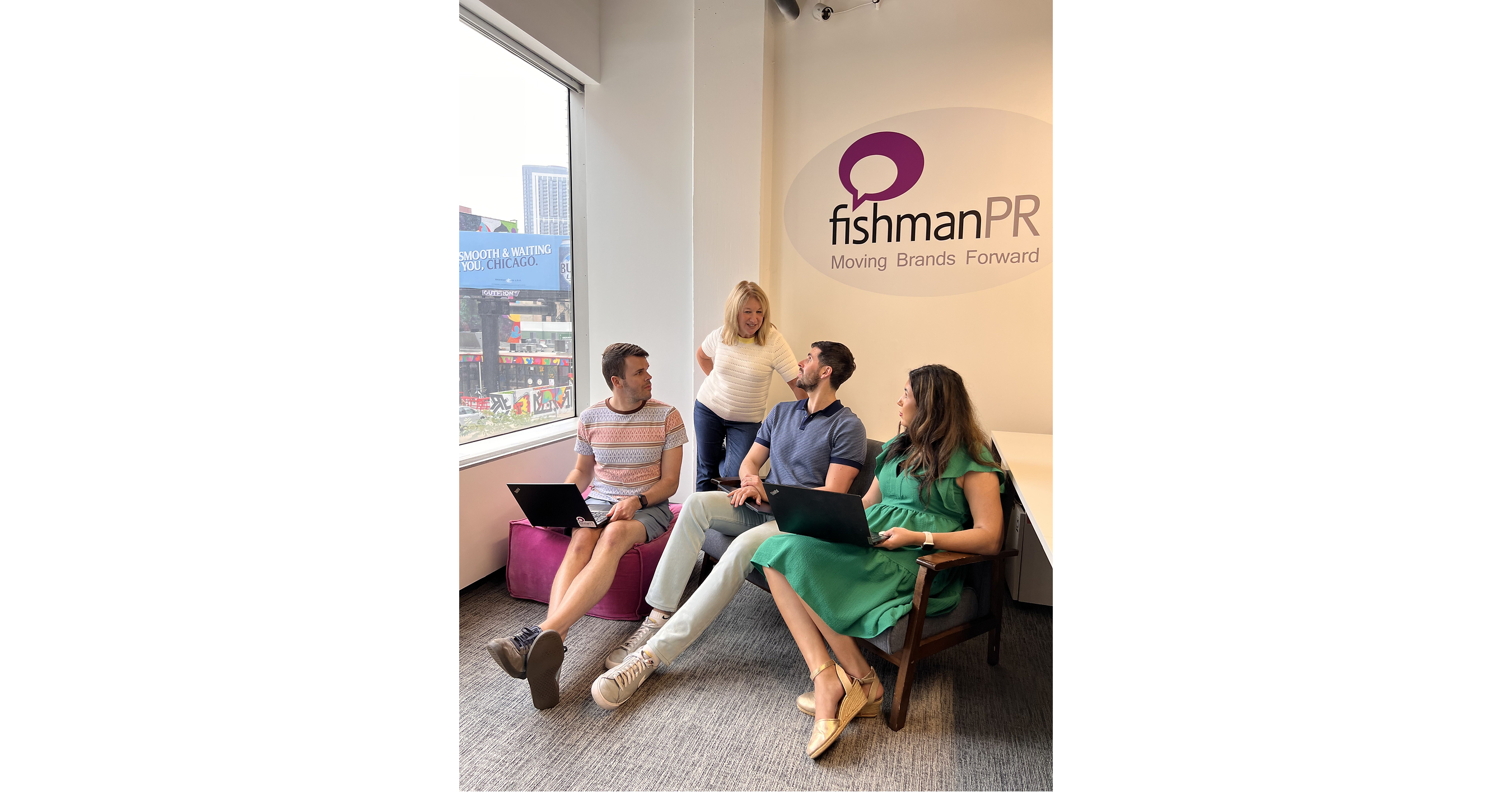
Fishman PR was named Entrepreneur's No. 1 franchise public-relations firm for the ninth consecutive year, based on satisfaction ratings from more than 1,000 franchise brands. The agency also passed Worldcom Public Relations Group's peer review, receiving strong marks for strategic approach, client satisfaction, and partner performance. The recognition supports Fishman PR's franchise-marketing positioning but is unlikely to have material public-market impact.
Analysis
This is a private-agency credentialing event with no direct public-equity read-through; it does not alter earnings estimates, industry pricing, or capital-allocation assumptions for listed companies. The main investable implication is indirect: franchise systems facing slower unit-development pipelines may increase spending on lead generation, local digital advertising, and reputation management, but agency-level budgets are too small and fragmented to move broad media or advertising-platform revenue.
The more relevant second-order signal is the continued migration of franchise marketing toward search and AI-discovery optimization. Alphabet (GOOGL) and Meta (META) remain the likely near-term monetization beneficiaries if franchisees raise local acquisition spending, while HubSpot (HUBS), Sprout Social (SPT), and potentially Yelp (YELP) could benefit at the margin from local-business marketing demand. However, this article provides no client wins, contract values, franchise sales data, or evidence that marketing outlays are accelerating; the claimed service expansion is not a demand indicator.
Over the next 6-18 months, the structural issue for franchisors is whether enhanced digital visibility lowers franchisee recruitment and customer-acquisition costs enough to offset labor, occupancy, and royalty pressure. That would favor asset-light franchisors with dense local footprints—such as YUM, DPZ, WING, and MCD—but only if same-store sales and net unit growth validate the spend. A weakening consumer or rising franchisee closures would make incremental marketing expense margin-dilutive rather than growth-accretive.
Contrarian view: investors frequently treat AI-search optimization as a new addressable market, but it may primarily reallocate existing SEO and paid-search budgets rather than create incremental spending. Until platform disclosures show durable local-ad demand or franchisor filings show improved lead conversion and net openings, there is no standalone trade signal here.
AllMind Terminal
AI-powered research, real-time alerts, and portfolio analytics for institutional investors.
Request TrialMarket Sentiment
Overall Sentiment
moderately positive
Sentiment Score
0.42
Key Decisions for Investors
- No immediate position: treat this as non-material private-company publicity, not a catalyst for Media & Entertainment or advertising-technology equities.
- Monitor GOOGL and META quarterly commentary for local/SMB advertiser demand and cost-per-click trends over the next 1-3 months; only upgrade the franchise-marketing read-through if management identifies accelerating local vertical spend.
- For 6-18 month consumer exposure, prefer a quality-franchisor basket long YUM/DPZ versus a short high-fixed-cost restaurant basket only after evidence of positive net unit growth and stable franchisee economics; invalidate if franchisee closures rise or same-store sales decelerate materially.
- Watch HUBS and SPT rather than initiate: a trade requires independently verifiable acceleration in SMB customer additions, net revenue retention, or marketing-technology seat expansion. Absent that evidence, AI-visibility messaging is unlikely to support multiple expansion.
More News
- Chinese authorities reportedly in possession of F-35 components in Hong Kong
- Meta announces new lightweight virtual reality glasses to one-up Apple’s Vision Pro
- How Meta took the lead in the race for the post-smartphone world
- Here's what happens to the economy when Treasury yields soar like they are now
- Oil industry warns a diesel export ban will raise fuel prices as Trump weighs restrictions
- Mark Zuckerberg debuts $1,299 Meta VR Glasses and Muse Charm pendant amid AI agent push