
Water Treatment Expert Jason McGee of Loretto Explains How to Calibrate Safe and Efficient Chemical Dosing for HelloNation
Source: PR Newswire
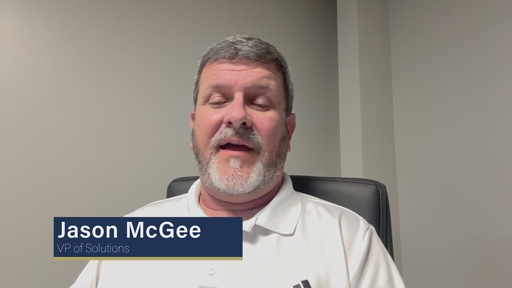
A HelloNation article featuring water treatment expert Justin McGee describes how calibration, real-time monitoring, pH control, and proper mixing can improve chemical-dosing accuracy. McGee says avoiding over-dosing can reduce chemical waste, operating costs, equipment wear, and disinfection byproducts; the article reports no quantified results or market-moving company developments.
Analysis
Investment signal is weak: this is an educational, promotional article, not evidence of new orders, regulatory action, or measurable customer savings. The investable mechanism is a possible shift in water-utility spending from chemical volume toward controls, sensors, calibration, and retrofit work. If utilities adopt tighter feedback controls, suppliers such as Xylem, Emerson, Badger Meter, and pump makers could benefit at the margin; chemical suppliers could face lower usage per unit of treated water. Neither effect is established here, and lower chemical consumption may be offset by population growth, treatment upgrades, or compliance spending.
Near term, expect little fundamental price impact. Over 1–3 months, look for utility capex commentary, order growth, and evidence that sensor/control retrofits are being funded rather than merely recommended. Over 6–18 months, tighter operating practices could favor integrated monitoring and automation platforms, but installation, calibration, and operator-training requirements limit how quickly savings scale. A key second-order risk is that automation increases dependence on sensor accuracy and maintenance; data drift or poor mixing can undermine promised efficiency and create remediation costs.
Contrarian angle: precision dosing is not automatically a revenue growth story for equipment vendors—utilities may capture savings without expanding capex, while competitive bidding and long procurement cycles constrain supplier economics. No position is justified on this article alone. Falsification of the adoption thesis: flat or weakening water-treatment order/backlog trends and no utility budget or procurement follow-through. Confirmation would require disclosed wins, recurring monitoring revenue, or quantified customer paybacks.
AllMind Terminal
AI-powered research, real-time alerts, and portfolio analytics for institutional investors.
Request TrialMarket Sentiment
Overall Sentiment
neutral
Sentiment Score
0.10
Key Decisions for Investors
- No immediate trade; treat the article as a thematic prompt, not a catalyst.
- Add Xylem, Emerson, and Badger Meter to a watchlist; verify water-related order growth, backlog, and retrofit disclosures before taking exposure.
- Monitor water-utility capital budgets and procurement notices over the next 1–3 months for funded dosing-control and sensor projects; distinguish actual awards from vendor claims.
- Track chemical suppliers for any evidence of lower treatment-chemical volumes, but do not short on this signal alone: demand growth and compliance-related spending could offset efficiency-driven reductions.
More News
- What investors need to know about Alphabet's stock-busting earnings report
- Budget 2026 speech
- GE Vernova shares slip despite a beat-and-raise. What the sellers are getting wrong
- Microsoft's Big Bets on AI Start to Pay Off
- Burnham’s government unveils its first UK budget: What to expect
- Microsoft’s strong quarter backs up its stock rebound. Here's our new price target