
CATL Unveils Dual-Electric Range Extension Battery to Accelerate Electric Heavy-Duty Truck Adoption
Source: PR Newswire
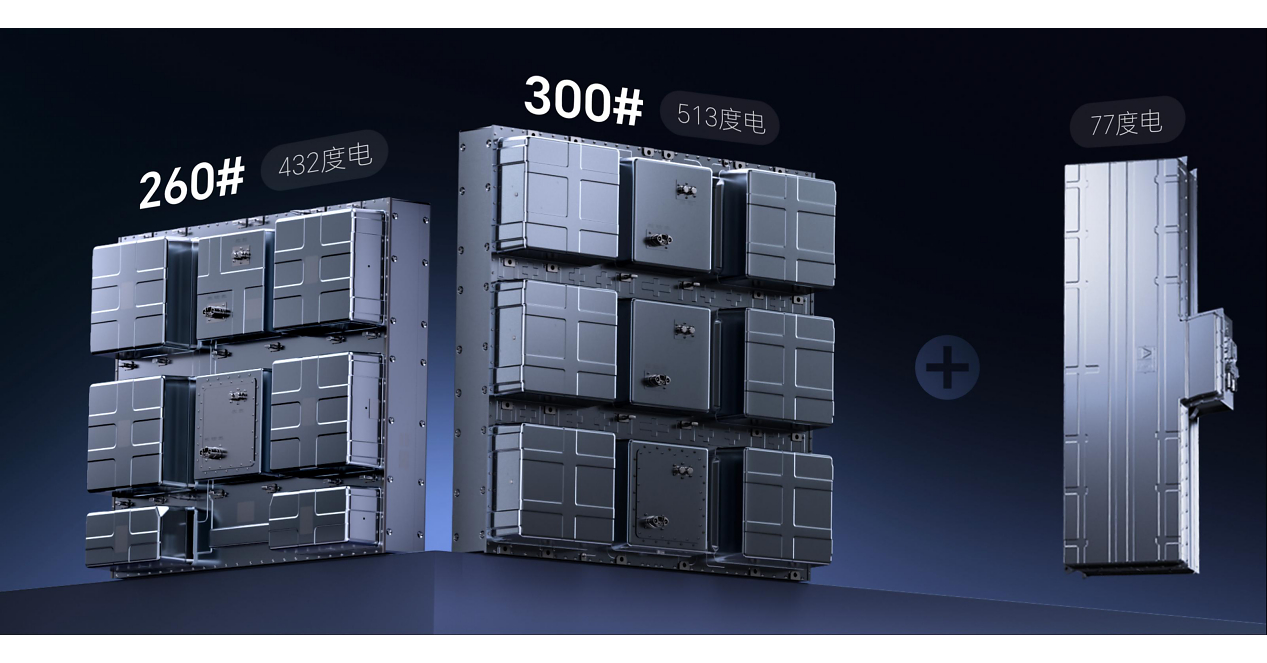
CATL unveiled a dual-electric range-extension battery and updated battery-swapping solutions for heavy-duty trucks; the range-extension system includes a 77 kWh battery capable of 3C charging, while the main battery’s usable depth of discharge can rise from about 70% to over 95%. CATL plans 900 swapping stations by end-2026 and 2,000 by 2027, with a long-term target of 10,000 nationwide. The initiative secured agreements for 13,000 units at the event, though the article provides no revenue or share-price impact.
Analysis
The investable question is whether swapping shifts from a battery-sales model to a high-utilization service network. Deeper discharge could raise energy delivered per pack and reduce idle battery inventory per unit of freight; that benefit is not free. More demanding cycling may accelerate degradation, while the added onboard battery and dual-system controls add cost and weight. Net fleet economics depend on pack life, warranty allocation, station utilization, and electricity pricing—none are established by the announcement.
CATL and QIJI could gain recurring battery-asset and energy-service revenue if the standardized blocks attract multiple truck makers. The same standardization can lock fleets into a network, but also concentrates execution risk in corridor coverage and station uptime. Truck OEMs and competing battery or charging providers may face pressure to match the service bundle; diesel operators benefit if deployment stalls. The 13,000-unit agreements are a traction signal, not evidence of deliveries or profitable utilization, and station targets are plans rather than funded capacity.
Near term, sentiment may favor CATL’s heavy-duty EV exposure, but the announcement alone is not a sufficient equity catalyst. Over 1–3 months, verify order conversion, station commissioning, fleet utilization, and disclosed battery degradation or warranty economics. Over 6–18 months, corridor density and residual values determine whether the model lowers total cost of ownership or merely shifts battery and infrastructure capital onto service partners. Thesis weakens if deployments slip, fleet economics fail to beat diesel on relevant routes, or deeper cycling raises replacement costs enough to erase utilization gains.
AllMind Terminal
AI-powered research, real-time alerts, and portfolio analytics for institutional investors.
Request TrialMarket Sentiment
Overall Sentiment
moderately positive
Sentiment Score
0.55
Key Decisions for Investors
- No immediate trade on the press release alone. Keep CATL on a catalyst watchlist; the supplied identity data contains no ticker mapping, and there is not yet independently verifiable revenue or margin impact.
- Treat the 13,000-unit figure as a conversion watch item: seek evidence of binding orders, deliveries, customer names, and in-service utilization before paying for a commercial-scale adoption thesis.
- Track the 900-station 2026 and 2,000-station 2027 milestones alongside station throughput, uptime, and funding. Slippage or persistently low utilization would undermine the network economics; successful corridor deployment would strengthen the case for CATL’s recurring service opportunity.
- Request pack-cycle-life, warranty, and total-cost-of-ownership data comparing deeper-discharge swapping with conventional swapping and diesel on matched routes. If degradation and added vehicle cost offset higher pack utilization, avoid extrapolating adoption claims into earnings growth.
More News
- Australian data center operator NextDC's shares plunge 40% after it slashes earnings forecast
- Elon Musk says Tesla and SpaceX are weighing a $3.5 trillion merger—without him in the room
- Neoclouds Lose Silver Lining as Elice, CoreWeave Dive: Evening Briefing Americas
- Anthropic May Spend $750 Billion on Computing Costs, WSJ Reports
- This Janus Henderson fund manager owns CoreWeave debt — here's why he's sticking with it
- ‘I don’t care how it’s done’: Trump pressures Ukraine to cut peace deal