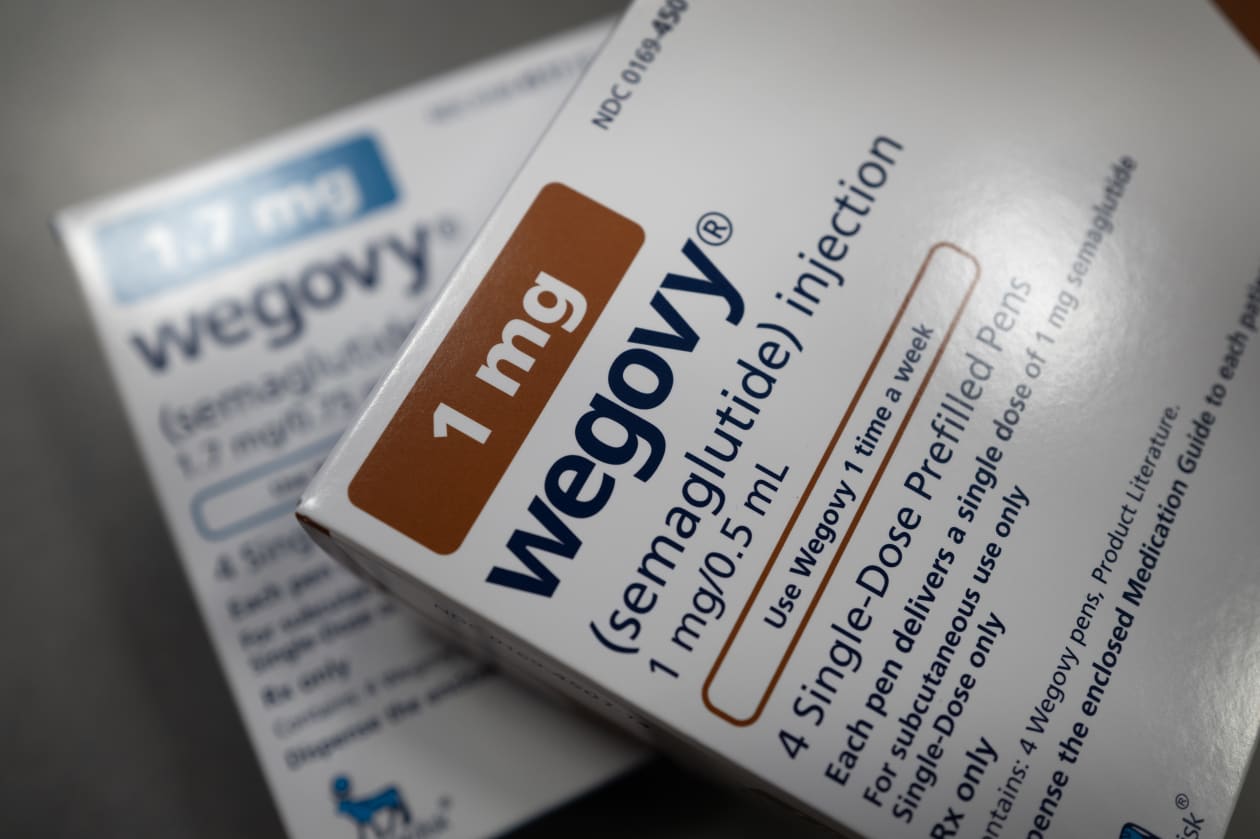
Retatrutide, Eli Lilly's once-weekly obesity drug, is in Phase 3 trials and helped patients lose 28% of body weight in clinical studies, with added benefits for obesity-related sleep apnea. Wall Street expects a U.S. launch next year if FDA approved. The article frames retatrutide as a potential best-in-class weight-loss therapy versus Zepbound and Wegovy.
LLY is becoming less of a single-product obesity story and more of a platform compounder: a once-weekly, multi-agonist asset that can potentially expand the total treatable population by improving adherence and tolerability versus daily regimens. The market tends to underwrite obesity drugs on peak-prescription volume, but the bigger second-order effect is persistence: if weekly dosing materially reduces discontinuation, the lifetime value per patient rises even if new-start growth is only modestly above expectations.
The competitive read-through is more important than the headline efficacy. A differentiated next-gen drug raises the bar for every entrant still anchored to first-generation GLP-1 economics, which should pressure smaller-cap obesity names and contract manufacturers dependent on lower-value formulations. It also increases the probability that payers become more selective, using prior auth and step edits to force patients into lower-cost or existing therapies before granting access to premium next-gen agents.
Catalyst timing matters: near-term upside is likely driven by Phase 3 de-risking and launch cadence, while the main downside is binary and months away—safety/tolerability surprises, slower-than-expected FDA labeling, or payer friction that delays net sales conversion despite strong script demand. A second-order risk for LLY is that a superior obesity franchise invites heavier scrutiny on pricing power and gross-to-net, so the stock can still mean-revert on reimbursement headlines even if clinical data remain strong.
The contrarian angle is that the Street may already be discounting a very bullish obesity ramp, but may be underestimating how much this strengthens LLY’s moat versus a single-mechanism competitor set. The more interesting trade is not chasing headline upside, but using the launch window to express relative winners in the channel and supply chain while fading names whose economics depend on commoditized obesity volume.
AI-powered research, real-time alerts, and portfolio analytics for institutional investors.
Request TrialOverall Sentiment
moderately positive
Sentiment Score
0.70
Ticker Sentiment
