
COMMHIT RECEIVES $43.6 MILLION DOLLAR GRANT: LAUNCHES VISION TO TRANSFORM RURAL HEALTHCARE ACROSS FLORIDA
Source: PR Newswire
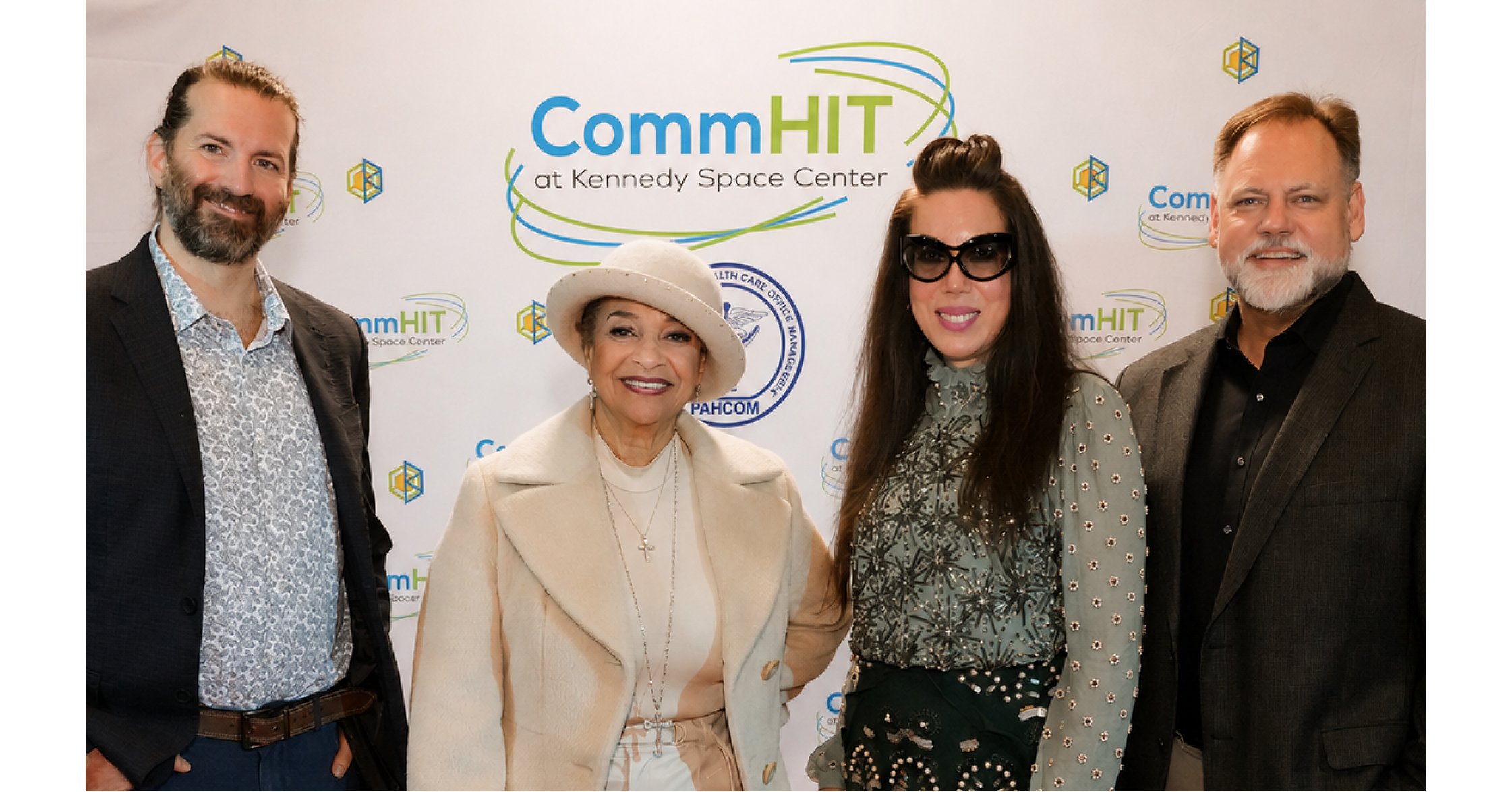
CommHIT Everywhere, a Florida rural healthcare transformation initiative led by Dr. Kendra Siler, received $43.6 million in Rural Health Transformation Program funding to expand preventive care and care-at-home across the state. The program is part of a wider five-year $50 billion federal commitment administered by CMS, with Florida awarded more than $200 million in year one. The initiative integrates AI, autonomous drones for emergency supply delivery, remote patient monitoring wearables, pediatric in-home simulation training, and veteran virtual-care connectivity, with an added “Music Forms Memories” component via Michael Feinstein aimed at improving emotional well-being during recovery.
Analysis
This reads less like an immediate revenue event and more like a reimbursement-and-workflow regime shift. The investable value, if any, sits with vendors that can monetize recurring remote monitoring, data integration, home-care logistics, and EMS enablement; the grant itself is mostly a pass-through, so public-market upside is likely diluted across many small contracts and implementation layers. That makes the near-term price reaction more narrative-driven than cash-flow-driven, with the real economic signal only emerging when procurement lists and reimbursement rules are published.
Second-order, successful home-based care is a modest headwind to fee-for-service acute volume, especially low-acuity ED visits, transfers, and readmissions. That is structurally negative for rural hospital operators over 6-18 months if the model works, but the first beneficiaries may be payers and local systems that reduce leakage and bad debt rather than a single obvious listed name. For CYH and similar operators, the correct read is not immediate earnings accretion; it is potential mix shift, with any benefit to hospital survival offset by lower per-patient utilization.
The contrarian risk is that this becomes pilot theater: fragmented staffing, EMR interoperability, and slow reimbursement adoption can turn a politically attractive initiative into one-off consulting spend. The key catalyst path is not the announcement itself but the next 1-3 months of vendor awards, billing codes, and measurable outcomes; without those, the thesis fades. What would falsify the bullish home-care view is evidence that transfers/readmissions are flat after two reporting cycles or that rural providers cannot operationalize the workflow at scale.
AllMind Terminal
AI-powered research, real-time alerts, and portfolio analytics for institutional investors.
Request TrialMarket Sentiment
Overall Sentiment
moderately positive
Sentiment Score
0.35
Key Decisions for Investors
- No immediate position in CYH on this headline; the grant is too diffuse to move EBITDA or valuation near term, and any volume mix shift would take quarters to show up.
- Put GEHC, TDOC, and DOCS on a 1-3 month watchlist for follow-on procurement only; do not buy the narrative until Florida/AHCA publishes named awards or recurring revenue pathways.
- If follow-through data shows measurable readmission or transfer reduction, express the theme as a 6-18 month relative-value trade: long IHI / short CYH or HCA, with the short leg tied to low-acuity utilization pressure.
- Set a falsifier alert on the next two quarters of utilization metrics: if ED visits, transfers, and readmissions do not decline meaningfully, fade any home-care valuation premium.
- Avoid shorting rural hospitals immediately; the first-order effect may be better survival economics and lower bad debt, which can offset the volume headwind in the near term.
More News
- Attack on Saudi airport kills 12 people and wounds more than 300—the deadliest strike in any Gulf Arab country since the start of the Iran war
- Musk says Terrafab chip factory could outperform rivals despite challenges
- Nvidia GPUs are everywhere. Here are the ways companies are accessing them
- Stocks saw new highs and big declines: How the volatile AI trade moved last week's market
- Trump says he’s evaluating whether the U.S. should join Saudi Arabia’s fight against Iran-backed Houthi rebels in Yemen after fresh attacks on Riyadh
- World condemns deadly Houthi attack on Saudi Arabia’s Riyadh airport
From AllMind Research
- Anthropic IPO Preview: Valuation, Timing, and What to Watch
- Shein After the IPO: Venue, Valuation, and What Must Be Proved
- What AI Research Tools Should a Small Hedge Fund Buy First?
- Weekly Update: AI-Powered Report Editing, Investor Relations, and Enhanced Search
- Automating Financial Model Updates: A Source-Controlled Workflow