
Housing, Food Costs Make Up Half of Americans’ Spending, Most in 15 Years
Source: Bloomberg
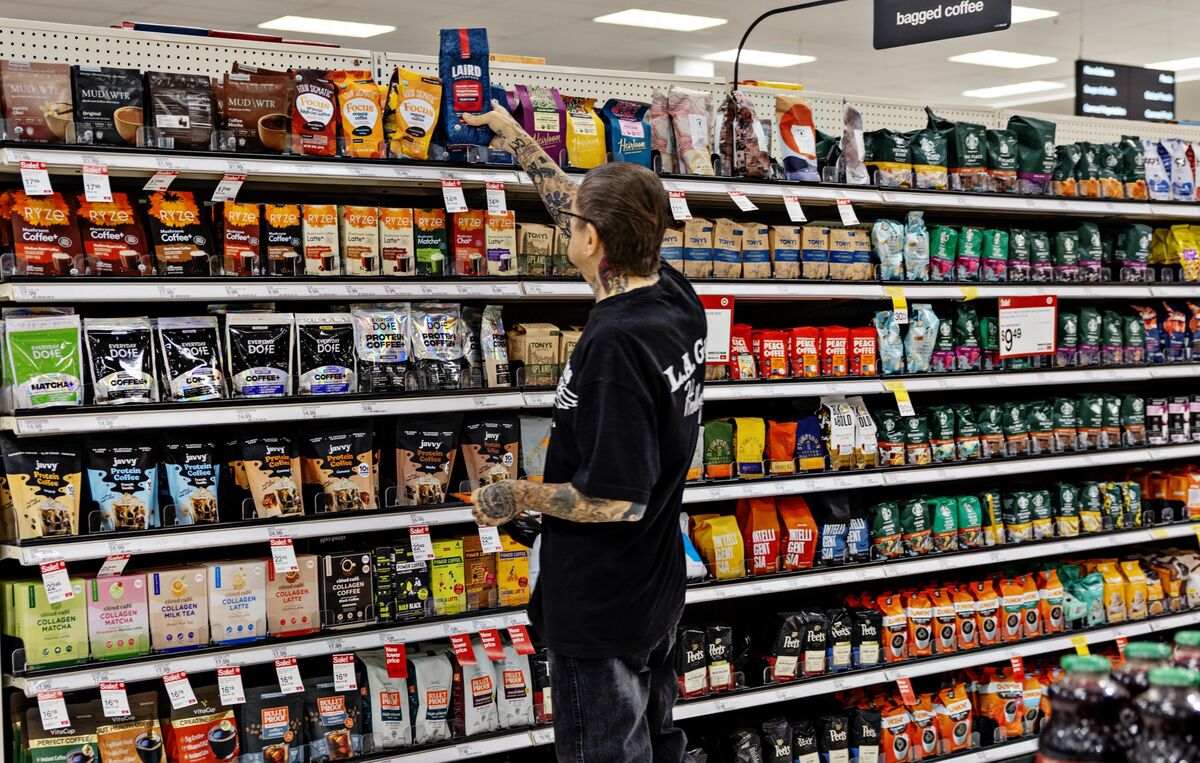
Housing and food accounted for nearly half of U.S. household spending in 2025, the highest share in 15 years, according to Bureau of Labor Statistics data. Families spent an average of $1,988 more on the two categories combined than in 2024; the figure predates the Iran war, which the article says has since driven up some grocery and utility costs.
Analysis
The key market implication is a lower residual budget for discretionary purchases, not necessarily a collapse in total consumption. The spending figures are nominal: without real-volume and income data, they cannot distinguish households buying more from paying more for the same essentials. The squeeze is likely most acute for lower-income consumers, whose spending has a higher propensity to flow to necessities; aggregate retail sales could therefore conceal deterioration in apparel, home goods, dining and other discretionary categories.
Second-order effects are mixed. Trade-down can support discount formats and private-label penetration, but may also intensify promotions and pressure retailer margins. Food producers with pricing power may initially defend revenue, while persistent price increases risk volume substitution; beef pressure could redirect demand toward lower-cost proteins. Elevated housing costs also weigh on home transactions and renovation demand, while rent collection and tenant affordability warrant monitoring with a lag. Energy-driven utility and grocery inflation would compound the squeeze, but the size and persistence of that pass-through remain unverified.
Near term, watch real discretionary spending, consumer-credit delinquencies and retailer commentary on units, mix and promotions. Over 1–3 months, a sustained rise in food and utility costs could prompt weaker guidance; over 6–18 months, prolonged affordability pressure could constrain housing turnover and normalize down-market consumption. The contrarian point: a high essentials share is not itself proof of recession or broad earnings damage. The thesis weakens if real wage growth outpaces essentials inflation and discretionary volumes stabilize.
AllMind Terminal
AI-powered research, real-time alerts, and portfolio analytics for institutional investors.
Request TrialMarket Sentiment
Overall Sentiment
mildly negative
Sentiment Score
-0.30
Key Decisions for Investors
- Avoid an outright consumer-sector short on this evidence alone: the spending data do not establish real consumption contraction, and the near-term inflation pass-through is uncertain.
- Use a relative-value watchlist: favor discount and value-oriented retailers over discretionary categories exposed to optional purchases, but confirm with unit growth, comparable sales and promotional intensity before establishing exposure.
- Track real retail sales by category, lower-income consumer delinquencies, and retailer guidance over the next 1–3 months. A deterioration across these measures would strengthen an underweight to discretionary retail; stable real volumes and improving real wages would falsify it.
- Monitor housing turnover and renovation indicators rather than assuming housing-cost pressure directly benefits landlords; worsening tenant affordability or slower rent growth would challenge that offset.
More News
- Tankers defy sharp escalation of Iranian attacks to keep crude oil flowing through Strait of Hormuz
- How Ambani’s Jio became India’s second-largest company
- Trump called out Big Oil profits. Here’s how much their refining earnings have surged since
- Oil hits six-month highs as Hormuz attacks threaten Iran peace efforts
- Reddit stock plunges 30% after weak outlook, heads for worst day ever
- Hong Kong telecom company agrees to halt U.S. operations under pressure