
Fed survey shows price pressures intensifying amid rise in fuel costs
Source: reuters.com
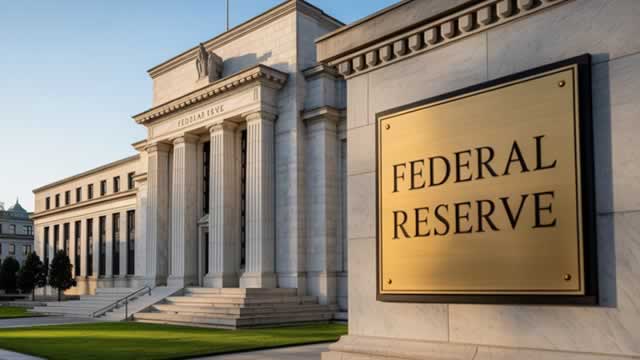
A Federal Reserve report said the US labor market remained in a low-hire, low-fire state while inflation intensified in parts of the country in recent weeks. The report comes as the Fed weighs a second consecutive interest-rate hike later this month; it provided no specific figures.
Analysis
The market-relevant signal is a policy dilemma, not a clean hawkish confirmation: anecdotal price pressure raises the risk of another near-term hike, while a low-hire/low-fire labor market implies limited hiring momentum but not necessarily an imminent layoffs-driven downturn. That mix can keep front-end rate volatility elevated and make duration-sensitive equities vulnerable to a repricing of the expected policy path. It is not, by itself, evidence that inflation is broadening enough to sustain higher long-term yields; regional anecdotes need confirmation in CPI/PCE and wage data.
Over the next few days, the main transmission is through Fed-path pricing, the dollar, and Treasury volatility. Over 1–3 months, CPI/PCE, payrolls and wage measures should determine whether this becomes a persistent inflation risk or merely a warning signal. Over 6–18 months, the key distinction is whether subdued hiring resolves through productivity and stable employment or deteriorates into weaker incomes and spending. The contrarian risk: markets may overread qualitative price reports as a rate-hike signal, while underweighting the possibility that labor-market inertia delays disinflation. Conversely, a confirmed inflation reacceleration could challenge duration and growth-stock valuations more than this report alone warrants.
AllMind Terminal
AI-powered research, real-time alerts, and portfolio analytics for institutional investors.
Request TrialMarket Sentiment
Overall Sentiment
mildly negative
Sentiment Score
-0.15
Key Decisions for Investors
- Avoid treating the report as sufficient reason for a broad duration short. Verify how much additional tightening is already priced in before adding exposure; the report contains no quantitative inflation or labor data to anchor that trade.
- For a tactical, defined-risk expression, consider a small payer spread in near-dated SOFR options only if market pricing still assigns limited probability to another hike. The payoff is convex to a hawkish repricing; cap premium at risk and exit if upcoming inflation or wage data cool enough to reduce hike pricing.
- Keep a conditional underweight in long-duration equities, including Nasdaq exposure, rather than initiating an unconditional short. Reassess after the next CPI/PCE and payrolls releases; persistent price pressure alongside firm wages would strengthen the thesis, while cooling inflation or a material employment deterioration would invalidate it.
- Monitor the 2-year Treasury yield, front-end OIS/Fed-funds pricing, breakevens and the 2s10s curve. A front-end-led selloff would support the near-term tightening interpretation; rising long-end yields without comparable front-end repricing would point instead to inflation or term-premium risk.
More News
- Why is Samsung Electronics stock plunging today?
- SK Hynix plunges 8% amid Asia tech rout as Fed rate hike fears, AI funding worries mount
- Bonds Pay the Price for India’s Rupee Defense as Rate Bets Build
- Hot September CPI Spurs Fed Rate Hike Fears
- Dell stock plunges 11%, leading data center sell-off on concerns about 'enterprise AI timing'
- Why is Rocket Lab stock tumbling today?
From AllMind Research
- Anthropic IPO Preview: Valuation, Timing, and What to Watch
- Shein After the IPO: Venue, Valuation, and What Must Be Proved
- What AI Research Tools Should a Small Hedge Fund Buy First?
- What Is an AI Research Agent?
- Bitcoin's 52% Crash Proves It's a Tech Stock: Here's What That Means for Portfolio Construction