
Can the US Defy Fiscal Gravity?
Source: youtube.com
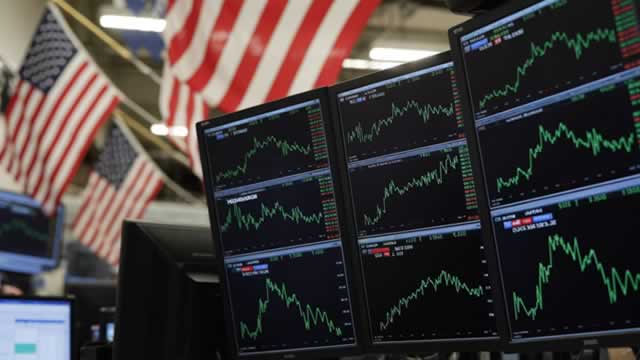
DWS’s David Bianco notes long-term Treasury yields and real rates have risen to levels not seen in ~25 years, but he argues inflation is not the primary driver. Instead, he points to structural fiscal pressures: US deficits above 6% of GDP, a rising total debt-to-GDP ratio, and increased reliance on domestic funding as foreign demand becomes less dependable. The message is cautionary for the duration/sovereign-bond outlook, supporting higher yield risk.
Analysis
The market mechanism here is term premium, not inflation. When long-end yields reprice on fiscal supply and weaker foreign bid, duration loses even if CPI cools, which means the most exposed assets are long-duration equities, levered balance sheets, and anything priced off cheap financing rather than near-term cash flow. That argues for continued pressure on TLT/IEF, REITs (XLRE), utilities (XLU), homebuilders (XHB), and secular growth multiples, while the immediate beneficiary set is less obvious: short-duration credit, cash-rich financials, and businesses that can reprice faster than their funding costs.
The second-order effect is tighter private capital allocation. If Treasury issuance must be absorbed domestically, it crowds out marginal demand for corporates and mortgages, which can widen spreads even without recession—especially in BBBs and rate-sensitive small caps. Over 1-3 months, watch auction tails, Treasury refunding guidance, and any uptick in mortgage rates; those are the catalysts that validate a bear-steepening regime. Over 6-18 months, the key risk is that persistent real-rate pressure becomes a fiscal drag, slowing housing, capex, and buybacks enough to hit earnings estimates across the S&P 500.
The contrarian view is that the move may be less about impending inflation and more about a chronic supply-demand mismatch in the Treasury market. If that’s right, rate relief from a softer macro print may be muted because long-end yields stay sticky even as the Fed eventually cuts the front end. What would falsify the thesis is a sustained improvement in auction demand, a credible fiscal consolidation signal, or a sharp drop in real yields back below recent highs; absent that, dips in long duration are likely to keep being sold.
AllMind Terminal
AI-powered research, real-time alerts, and portfolio analytics for institutional investors.
Request TrialMarket Sentiment
Overall Sentiment
mildly negative
Sentiment Score
-0.25
Key Decisions for Investors
- Overweight short-duration exposure vs long duration: long SHY/ VGSH and short TLT on rallies; 1-3 month trade with asymmetric downside if auction demand stays weak. Falsify if 10Y real yields break decisively lower and stay there for several sessions.
- Pair trade: short XLRE or XHB vs long XLF/KRE, betting that funding costs and valuation compression hit rate-sensitive sectors faster than steeper-curve banks benefit. Time horizon 1-3 months; exit if mortgage rates stabilize and credit spreads do not widen.
- Reduce exposure to high-multiple, long-duration software/AI baskets (e.g., QQQ, ARKK) on strength; use a call spread hedge rather than outright short if positioning is crowded. This works best over 1-6 months if real rates keep grinding higher.
- Favor short-duration credit over long Treasuries: BIL/SGOV or high-quality floating-rate loans over investment-grade duration. The trade is lower convexity risk with less sensitivity to term-premium expansion; falsify if recession risk rises and spreads gap wider.
- Watch for a tactical long in large-cap banks (XLF) only if the curve steepens without a credit-event backdrop; otherwise the sector can give back any NIM benefit to rising funding costs and unrealized-securities pressure.
More News
- Huge profits at tech and energy companies are masking this key trend
- In charts: How one of the world's biggest economies got trapped by debt
- Why did investors react so negatively to Schneider-PTC deal? M&A expert weighs in
- AI bubble could burst and take global economy with it, IMF warns
- IMF warns bond yields could see a 'disorderly' spike as debt, inflation risks worsen
- BlackRock takes profits on stocks as it turns to Treasurys after six years