
KB HOME OPENS CITY VISTA: NEW PAIRED HOMES FROM THE MID $600Ks IN ESCONDIDO, CALIFORNIA
Source: PR Newswire
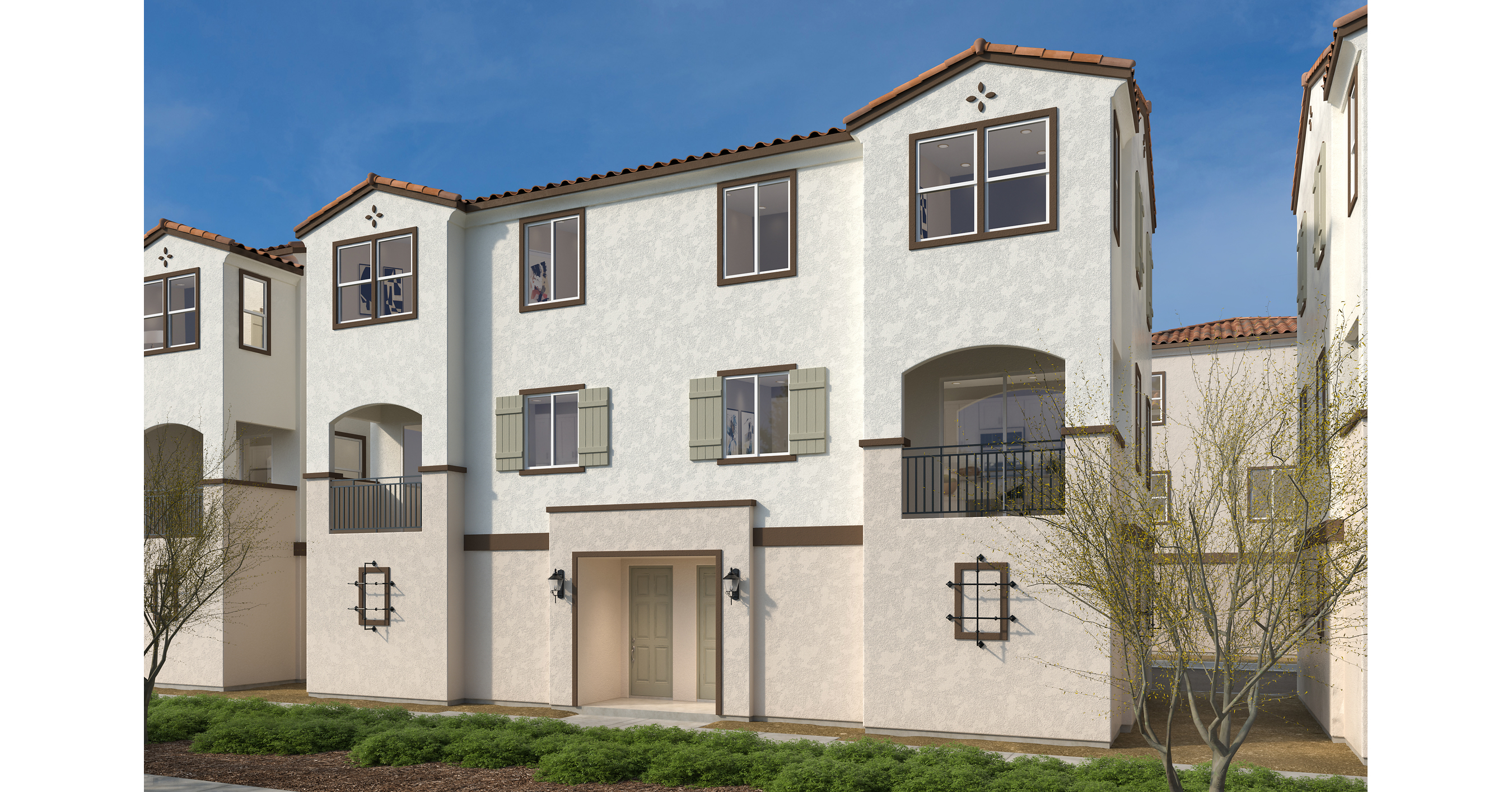
KB Home opened City Vista, a new Escondido, California community offering three-story paired homes priced from the mid-$600,000s, with up to four bedrooms and 3.5 baths. The project highlights ENERGY STAR certification and IBHS highest-tier wildfire-resilience construction, including Class A fire-rated roofs and noncombustible materials. The localized community opening is modestly positive for KB Home but is unlikely to materially affect company-wide financial results.
Analysis
This is not independently material to KBH earnings: a single attached-home community is unlikely to alter consolidated deliveries or guidance. The useful signal is strategic rather than financial—KBH is testing whether entry-level-to-midmarket density can clear in an expensive Southern California submarket while preserving option revenue from buyer customization. If absorption is strong, it supports a mix shift toward land-efficient attached product, which can improve returns on scarce entitled lots but generally carries less absolute gross-profit dollars per closing than detached homes.
The wildfire-resilience specification has a potentially non-obvious value proposition: it may reduce buyer insurance friction and future resale discounting in a state where insurance availability increasingly determines mortgageability. That benefit will only matter if insurers recognize the construction standard through lower premiums or broader coverage; without that verification, upgraded materials are principally a cost headwind. Comparable California-exposed builders—TMHC, LEN, PHM and TOL—face the same insurance and entitlement constraints, but KBH's customization model could be more vulnerable if buyers trade down on design-studio spend as affordability tightens.
Near term, this should not drive the stock. Over the next 1-3 months, monitor KBH's California net-order pace, cancellation rate, incentives and community count for evidence that attached-product demand is offsetting affordability pressure; stronger orders accompanied by rising incentives would be a lower-quality signal. Over 6-18 months, the key structural question is whether California insurance costs and wildfire building requirements raise industry barriers to entry faster than they compress builder margins.
Contrarian view: investors may over-credit the ESG and resilience marketing narrative before there is evidence of pricing power, faster absorption, or insurer recognition. A meaningful positive read requires stable-to-improving gross margin despite higher resilience content and incentives; a deterioration in California backlog conversion or design-studio revenue per home would falsify the thesis.
AllMind Terminal
AI-powered research, real-time alerts, and portfolio analytics for institutional investors.
Request TrialMarket Sentiment
Overall Sentiment
mildly positive
Sentiment Score
0.18
Ticker Sentiment
Key Decisions for Investors
- No standalone KBH trade on this announcement; treat it as a California demand/insurance watch item rather than an earnings catalyst.
- For existing KBH exposure, review 1-3 month earnings-channel data for California orders, cancellation rates, incentives and backlog conversion. Add only if California absorption improves without gross-margin guide-down; reduce if order growth is incentive-led and margin deteriorates.
- Monitor California property-insurance premium and availability trends through the next two quarters. Evidence that IBHS-grade construction earns underwriting recognition would be selectively positive for KBH and peers LEN/PHM/TOL; absent insurer validation, avoid assigning a valuation premium to resilience features.
- Potential relative-value setup: long KBH / short a higher-end California-exposed peer only after KBH demonstrates sustained entry-level attached-home absorption and stable option revenue. The thesis fails if KBH's gross-margin differential worsens or its California cancellation rate rises relative to peers.
More News
- Anthropic Goes Big on Compute, Microsoft Rethinks AI
- Meta's 'powerful breakout' sets up a unique trading strategy, says Mike Khouw
- At Meta Connect, the company’s smart glasses were everywhere
- Take Five: It’s Q4 already?
- Buy these two stocks with a solid setup in 2027 and 4% dividend yields, Mizuho says
- This is why you might see 8% mortgage rates soon