
CPKC sets new September and quarterly grain records in Canada, U.S.
Source: PR Newswire
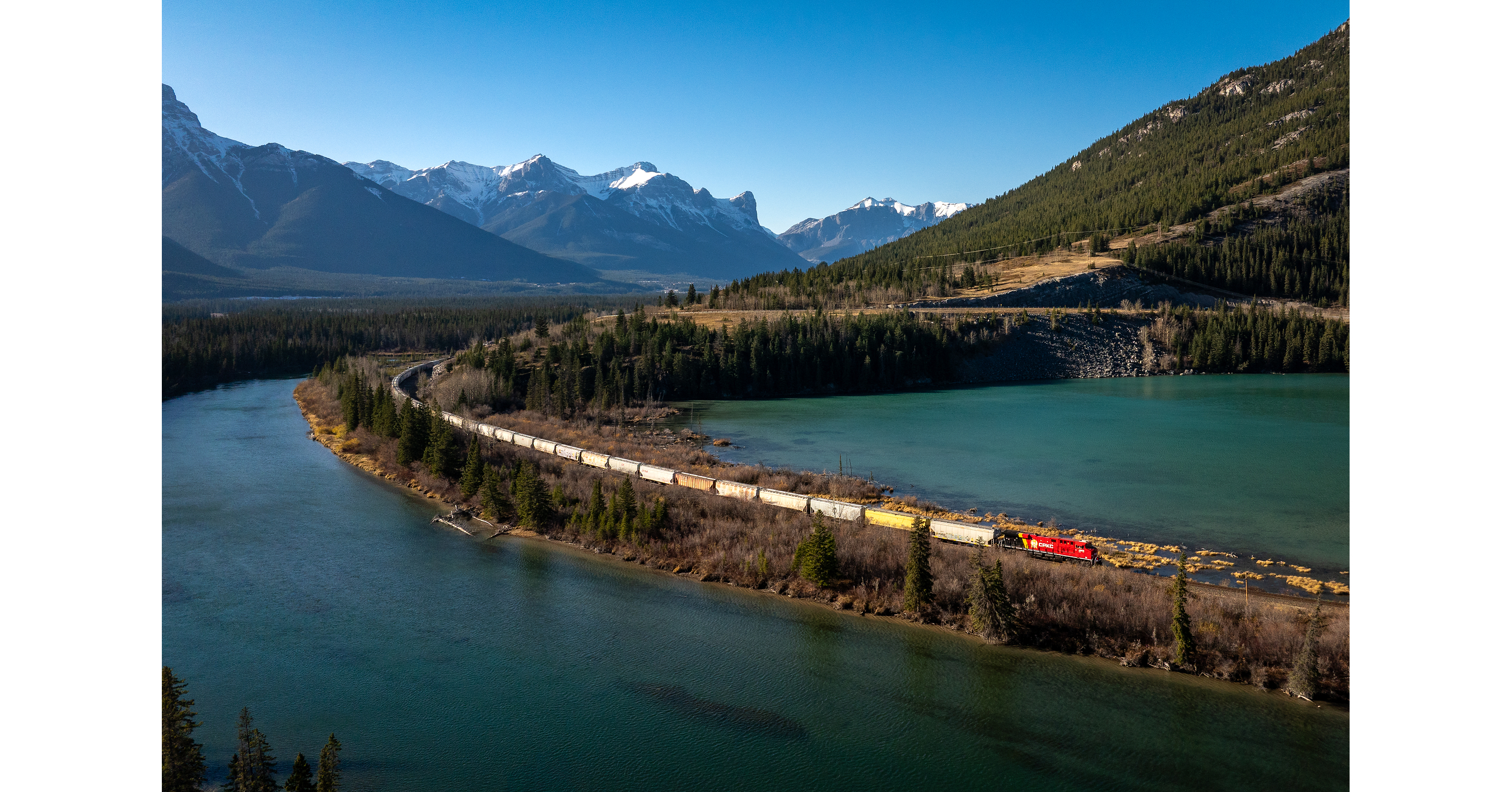
CPKC set September and third-quarter grain-transport records across Canada and the U.S., surpassing prior records established in 2020. Canadian September grain volumes reached 2.94 million metric tonnes across 30,324 carloads, while U.S. volumes totaled 2.51 million metric tonnes and 26,236 carloads. The results indicate strong early-crop-year freight demand and execution, with more than 4.99 million metric tonnes of Canadian grain moved through Week 8.
Analysis
The operational read-through is better than the headline volume suggests because grain is a network-balancing commodity: strong fall loading improves asset turns and crew utilization during a period when rail fixed costs are largely sunk. If velocity holds, incremental grain revenue should carry above-system contribution margins and help offset any softness in more cyclical merchandise categories. The more important question for CP equity is whether this reflects sustainable share capture versus a large crop and favorable export timing; only the former supports a higher earnings multiple.
CP's single-line access creates a potential competitive advantage where Canadian-origin grain can be redirected among West Coast, Atlantic, Gulf and Mexican outlets as export economics shift. That optionality is particularly valuable if trade friction, port congestion, or weather disrupts a single corridor, and could pressure CNI's relative service proposition in overlapping Canadian grain lanes. A secondary beneficiary is fertilizer/potash traffic if robust crop economics translate into stronger 2027 planting inputs, though that is a 6-12 month effect rather than an immediate rail-volume conclusion.
Near term, this is a modest positive rather than a standalone rerating catalyst: grain is seasonal, published carloads do not disclose yield, revenue per car, detention, or incremental operating expense. For the next 1-3 months, watch whether CP sustains volume without deterioration in train speed, dwell, or operating ratio; a service breakdown would turn record loading into a cost and customer-claims problem. The thesis is falsified if crop-export pace normalizes sharply after harvest, management indicates pricing concessions, or fourth-quarter operating ratio guidance fails to improve despite elevated volume.
Contrarian risk is that the market may already capitalize strong crop-year traffic while underestimating congestion and interchange constraints. CP's volume advantage is valuable only if it converts into pricing and efficiency; a record can otherwise signal capacity running near its limit. The cleaner relative expression is CP versus CNI, not an outright chase after a positive operational release.
AllMind Terminal
AI-powered research, real-time alerts, and portfolio analytics for institutional investors.
Request TrialMarket Sentiment
Overall Sentiment
moderately positive
Sentiment Score
0.48
Ticker Sentiment
Key Decisions for Investors
- Maintain or initiate a 1-3 month long CP / short CNI relative position only if CP reports stable-to-improving velocity and operating-ratio commentary alongside continued grain strength; the trade targets relative earnings-revision dispersion rather than spot carload momentum. Exit if CP guides to higher congestion costs or CNI demonstrates comparable Canadian grain growth.
- Do not add an outright CP position solely on September traffic. Set an alert for the next earnings release: add only if management quantifies positive revenue-per-car or operating leverage from bulk traffic and raises or de-risks full-year guidance; absent that evidence, treat the release as seasonal confirmation.
- Monitor CP's fourth-quarter grain throughput against service metrics and Canadian export-port conditions over the next 4-8 weeks. A sustained throughput gain with flat dwell/train-speed metrics supports a constructive 6-12 month view; rising dwell or adverse weather/port disruption is a signal to reduce relative exposure.
- For a broader commodity second-order watchlist, track NTR and MOS for evidence that farm cash receipts are translating into 2027 fertilizer prebuy activity. This is not yet a recommendation: confirmation requires fertilizer pricing/volume commentary and crop-margin data, not rail grain volumes alone.
More News
- Why Carney’s economic overhaul is clashing with Canada’s unions
- Trump says Iran war could end after U.S. elections as Hormuz tensions persist
- Why rising exports aren’t easing oil market fears
- G20 countries split over US push to curb excess industrial capacity
- G7 Leaders’ Statement on global energy security and market stability
- Trump vs Europe as US presses for release of emergency diesel stocks