
SUPRDOG Finally Opens Waitlist for the First Biological Intelligence Platform Built for Dogs
Source: PR Newswire
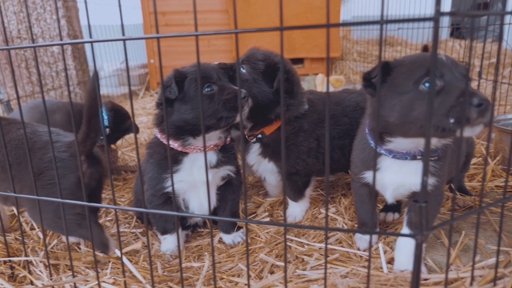
SUPRDOG opened a waitlist on International Dog Day for its new Biological Intelligence Layer, an AI-empowered platform intended to translate dogs’ biological signals into actionable wellness insights and to track whether everyday care choices improve biology over time. The company emphasized it is not launching another product category (food/supplements/marketplace/diagnostics) and is designed to support—not replace—veterinary care. Impact is limited given this is an early waitlist/access-cohort announcement with no financials or rollout timeline provided.
Analysis
This is not a near-term revenue event; it is a category-creation attempt, and the market should price it as option value, not fundamental proof. The only real read-through today is that pet care remains ripe for premiumization around data, which could marginally support higher willingness to pay for diagnostics, subscription wellness, and vet-adjacent software. If the concept gains traction, the first beneficiaries are likely the “picks-and-shovels” names with existing trust and distribution — veterinary diagnostics and clinic workflow incumbents such as IDXX and ZTS — because they already sit where validation and repeated testing can be monetized.
The bigger second-order effect is pressure on low-conviction pet supplement and DTC wellness brands. A system that claims to “prove” what works raises the bar on efficacy claims and may accelerate churn away from anecdotal products toward measured, recurring services. That is more of a 6-18 month margin/multiple story than a days-to-weeks catalyst, and only if the product demonstrates retention and clinical-adjacent credibility; otherwise this stays a marketing layer with limited economic impact.
The contrarian view is that the consensus is probably overestimating addressable spend and underestimating friction. Pet owners love the category, but they do not sustain software subscriptions unless the platform is integrated into routine vet decision-making or tied to a hard outcome. Without that validation, the likely endpoint is low engagement, weak cohort retention, and no meaningful monetization — which would make the implied TAM much smaller than the rhetoric suggests.
AllMind Terminal
AI-powered research, real-time alerts, and portfolio analytics for institutional investors.
Request TrialMarket Sentiment
Overall Sentiment
mildly positive
Sentiment Score
0.12
Key Decisions for Investors
- No immediate trade: treat this as a watch item rather than a position until there is evidence of paid conversion, retention, or veterinary-channel adoption over the next 1-3 months.
- Watch/accumulate IDXX and ZTS on any pullback if the company begins showing repeat testing behavior or vet referrals; thesis is 6-18 months of incremental awareness-driven utilization, not a day-one catalyst.
- If traction metrics emerge, consider a relative-value pair: long IDXX / short a basket of lower-quality pet wellness and supplement names where efficacy is harder to prove; upside is multiple divergence if validation matters more than branding.
- Set an alert on Chewy (CHWY) and pet marketplace engagement metrics: if this kind of “biological intelligence” behavior sticks, the winner may be the distribution layer that owns repeat purchase and data capture, not the startup itself.
- Falsifier: if the waitlist does not translate into paid cohorts, vet integrations, or measurable retention within 90 days of launch, fade the category and avoid assigning any meaningful public-market read-through.
More News
- Nvidia GPUs are everywhere. Here are the ways companies are accessing them
- As companies pour billions into Earth-based AI infrastructure, Google is taking the data center race off-planet
- AI's Supercharging a Scam Economy Bigger Than the Cocaine Trade
- Verizon stock heads for worst day since 2002 as SpaceX U.S. network plans whack telcos
- Big Tech is betting $700 billion on AI. Healthcare will decide whether the bet pays off
- Why This Canadian Community Is Betting on Coal Again