
Shanghai Electric představila na veletrhu Enlit Asia 2026 tři řešení pro energetickou transformaci
Source: PR Newswire
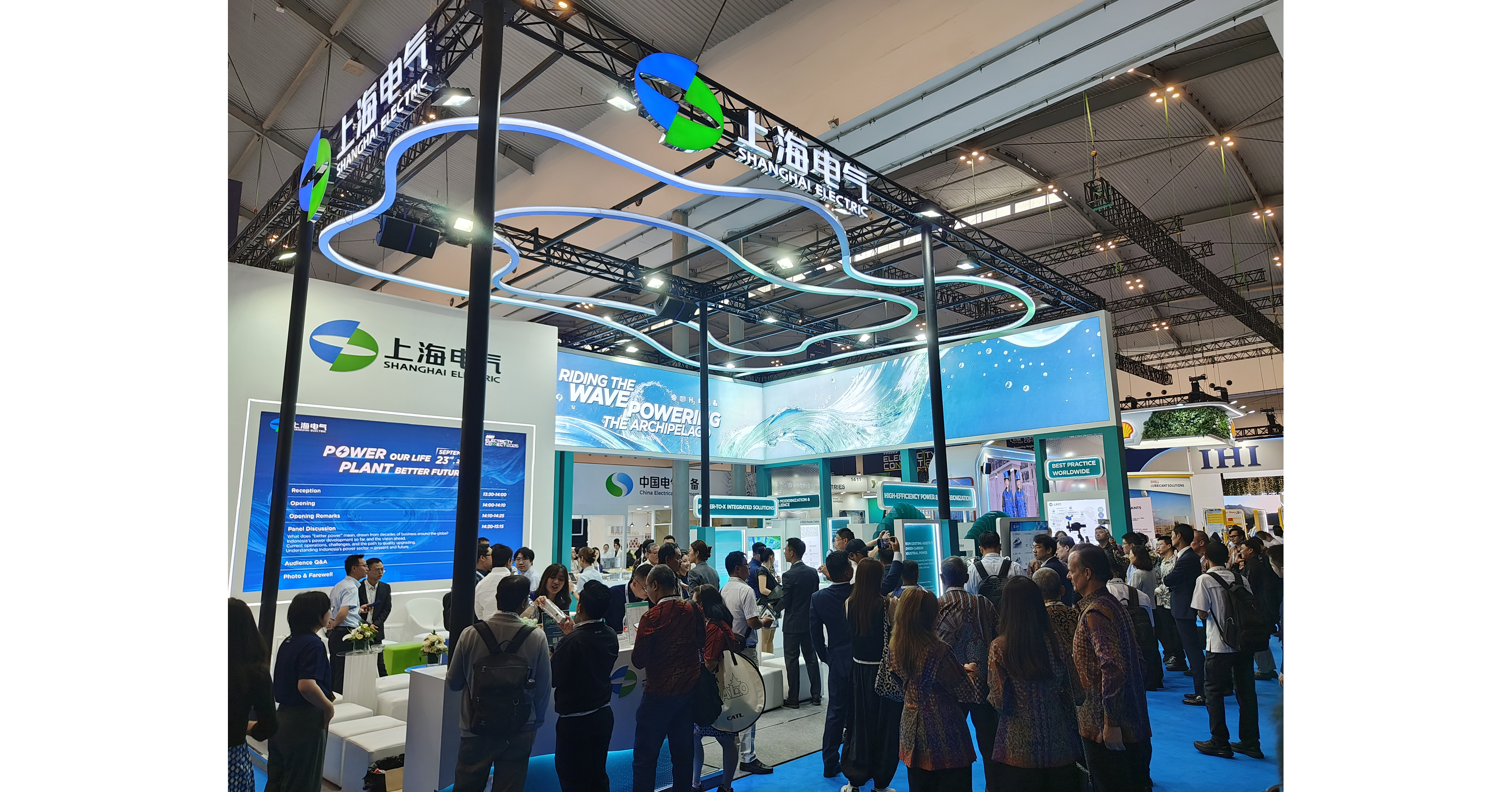
Shanghai Electric unveiled three ASEAN-focused energy-transition solutions at Enlit Asia 2026, covering thermal-power decarbonization, grid resilience and low-carbon fuels. Its Power-to-X project has completed a record single-operation bunkering of 8,000 tonnes of green methanol; Phase II, launched on August 20, targets annual output of 200,000 tonnes of green methanol and 10,000 tonnes of sustainable aviation fuel. The company is leveraging existing regional projects, including a 3x350MW Indonesian coal plant and a 500MW Malaysian combined-cycle gas project, to expand deployment across Southeast Asia.
Analysis
This is strategically constructive but not yet earnings-relevant: exhibition-led technology claims do not establish awarded backlog, pricing, or local-content economics. For Shanghai Electric (601727/2727), ASEAN power demand could create a multi-year service and retrofit annuity, but near-term valuation upside requires disclosed PLN, IPP, or state-backed contract wins rather than pilot references. The highest-margin opportunity is likely grid-stability equipment and long-term O&M, where island-grid reliability needs are less discretionary than green-fuel projects.
Competitive pressure is more important than the product breadth. Chinese peers such as Dongfang Electric (600875) and Harbin Electric (1133 HK) can compete aggressively on EPC price, while GE Vernova (GEV), Siemens Energy (ENR GR), and Mitsubishi Heavy (7011 JP) retain advantages in bankability, gas-turbine performance guarantees, and financing acceptance. A lower-cost Chinese equipment push could compress regional turbine and grid-equipment margins even if it expands total addressable demand; the likely losers are premium OEMs with ASEAN exposure but limited local manufacturing or export-credit support.
Over 1-3 months, watch for tender awards, export-credit financing, and Indonesian grid-capex approvals; these are the catalysts that convert promotional activity into backlog. Over 6-18 months, gas conversion and coal-efficiency upgrades may progress faster than green methanol because they lower system costs and address reliability immediately, creating a potentially underappreciated bridge-fuel demand tailwind. The thesis is falsified if contract disclosures fail to follow, ASEAN procurement favors Western/Japanese OEMs on performance guarantees, or project financing shifts toward domestic-content requirements that Shanghai Electric cannot meet profitably.
AllMind Terminal
AI-powered research, real-time alerts, and portfolio analytics for institutional investors.
Request TrialMarket Sentiment
Overall Sentiment
mildly positive
Sentiment Score
0.38
Ticker Sentiment
Key Decisions for Investors
- No new directional position solely on this release. Set a 90-day alert for named ASEAN awards, contract value, payment terms, and funded customer capex; only consider a long in Shanghai Electric (601727/2727) after backlog disclosure supports a measurable revenue contribution.
- Use a 6-12 month relative-value watch: long Shanghai Electric (601727/2727) versus short Dongfang Electric (600875) only if Shanghai Electric demonstrates ASEAN order conversion while Dongfang shows domestic-margin deterioration. Target a 10-15% relative return; exit if no disclosed regional orders emerge by the next two reporting cycles.
- Monitor GEV and ENR GR for ASEAN gas-turbine tender outcomes. A Chinese win at materially lower EPC pricing is a negative read-through for premium-OEM pricing power, but not sufficient for a short absent evidence of margin or guidance pressure.
- Treat green-methanol exposure as an infrastructure-financing catalyst rather than a near-term fuel-volume trade. Reassess marine-fuel beneficiaries only after offtake agreements, renewable-power sourcing, and delivered-fuel economics are disclosed; without these, project capacity targets have limited investable value.
More News
- Oil falls on report Asia will import highest volume of crude since start of Iran war
- Japan's 10-year bond yield hits 30-year high following sell-off in Treasurys
- US Debt Selloff Spans Most Maturities: Evening Briefing Americas
- Chinese authorities reportedly in possession of F-35 components in Hong Kong
- Meta announces new lightweight virtual reality glasses to one-up Apple’s Vision Pro
- Trump evalúa prohibir exportaciones de diésel de EE.UU.
From AllMind Research
- Anthropic IPO Preview: Valuation, Timing, and What to Watch
- Shein After the IPO: Venue, Valuation, and What Must Be Proved
- What AI Research Tools Should a Small Hedge Fund Buy First?
- Weekly Update: Advanced Search Filters, Redesigned Ticker Dashboard, and Improved Search Experience
- How to Build an Automated Research Process for a Fund