
Huawei en partners uit de sector stippelen tijdens de 10e Global ICT Energy Efficiency Summit de route uit van energieconsument naar prosument
Source: PR Newswire
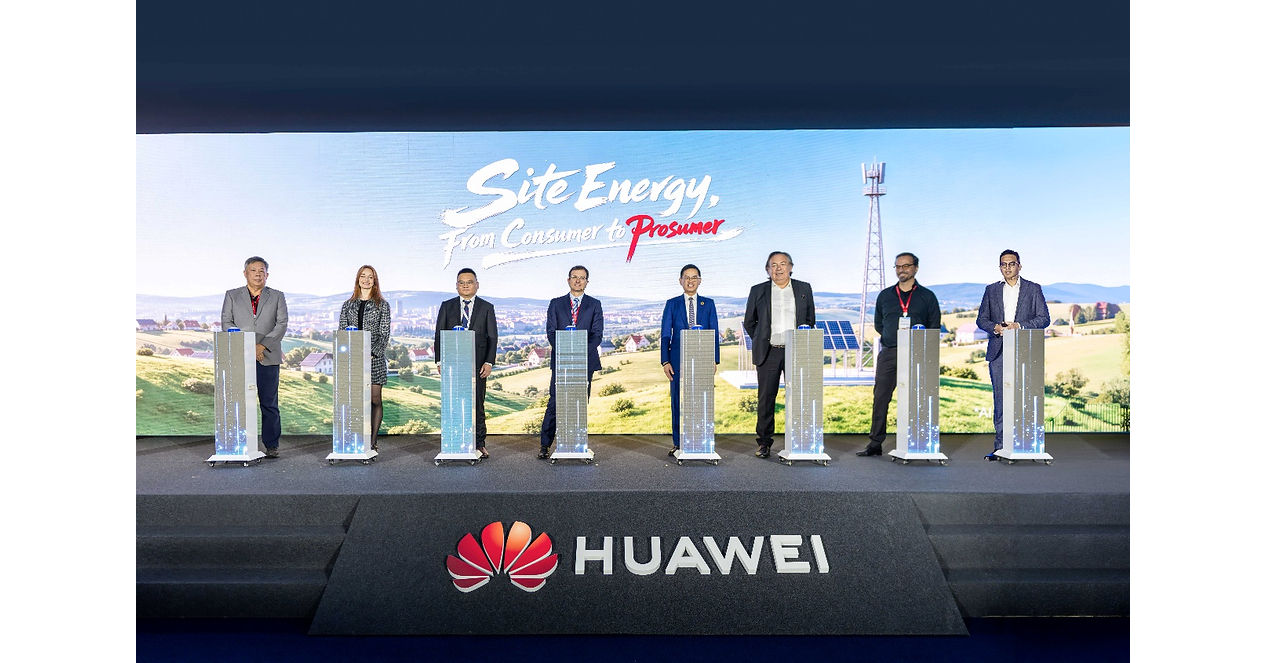
Huawei said solar-plus-storage costs have fallen below $0.04/kWh; it cited European site-level virtual power plant (VPP) installations with an average ROI of about three years and roughly €800 in annual revenue per site. The company also reported examples including essential services staying online for up to 12 hours during Portugal’s blackout and 86% of sites in a Southeast Asian rural deployment operating fully on solar without diesel top-ups within 24 months. The summit launched an industry initiative to advance telecom sites as energy prosumers, though the article provides no financial-market reaction.
Analysis
Investment read-through: This is an ecosystem thesis, not a near-term earnings catalyst. The key economic question is who owns the batteries and captures flexibility revenue: operators may fund resilience capex while tower owners, tenants, aggregators or utilities receive different shares of the savings. Lease terms and energy-cost pass-through could therefore determine whether telecom operators actually gain margin. Aggregation also creates a scale advantage for platforms that can standardize controls across fragmented sites, but the summit provides no evidence of awarded contracts or durable vendor lock-in.
Credibility and timing: Treat the stated site economics and field examples as company-promoted claims until independently verified. Sub-$0.04/kWh generation-plus-storage does not establish an all-in return after financing, battery degradation, grid access and aggregator fees. Over 1–3 months, watch for named operator deployments, procurement awards and disclosed capex/payback. Over 6–18 months, market rules for ancillary services and interoperability will determine whether this becomes recurring revenue or mainly a resilience upgrade.
Contrarian / risks: The headline “new revenue stream” may overstate the opportunity: the cited annual revenue per site is modest, and the value may accrue to aggregators rather than telecom shareholders. Conversely, avoided diesel, outage losses and energy-price exposure may justify projects even where market-trading income disappoints. The thesis weakens if actual deployments miss payback targets, operators lack control of site energy assets, or grid-service participation is restricted.
AllMind Terminal
AI-powered research, real-time alerts, and portfolio analytics for institutional investors.
Request TrialMarket Sentiment
Overall Sentiment
mildly positive
Sentiment Score
0.35
Key Decisions for Investors
- No event-driven trade on the summit announcement alone; no named operators, contract values, capex, or independently verified economics are provided.
- Put European tower operators and telecom infrastructure owners on a watchlist. Before taking a position, verify asset ownership, energy-cost pass-through in leases, realized savings, and whether flexibility revenue is shared with tenants or aggregators.
- Treat grid-automation, storage and aggregation suppliers as conditional beneficiaries—not confirmed Huawei partners. Reassess only after order wins or operator disclosures establish revenue conversion; avoid inferring supplier exposure from the summit.
- Falsifiers over the next 1–3 months: deployment economics materially below claimed paybacks, no credible procurement pipeline, or regulatory/interconnection barriers that prevent aggregated sites from earning grid-service revenue.
More News
- Jio’s Record $3.2 Billion IPO Puts India’s Market Muscle to the Test
- Australian data center operator NextDC's shares plunge 40% after it slashes earnings forecast
- Elon Musk says Tesla and SpaceX are weighing a $3.5 trillion merger—without him in the room
- Neoclouds Lose Silver Lining as Elice, CoreWeave Dive: Evening Briefing Americas
- Anthropic May Spend $750 Billion on Computing Costs, WSJ Reports
- This Janus Henderson fund manager owns CoreWeave debt — here's why he's sticking with it